Kazerne Dossin Review
History Museums · Mechelen, Belgium. Kazerne Dossin, located in Mechelen, Belgium, is a museum and memorial site dedicated to the remembrance of the Holocaust and human rights abuses during World War II. The site itself was originally a military…
History Museums · Mechelen, Belgium. Kazerne Dossin, located in Mechelen, Belgium, is a museum and memorial site dedicated to the remembrance of the Holocaust and human rights abuses during World War II. The site itself was originally a military…
Best forScience, technology, hands-on learning
Review focusExhibits, interpretation, visitor flow
Historical Context
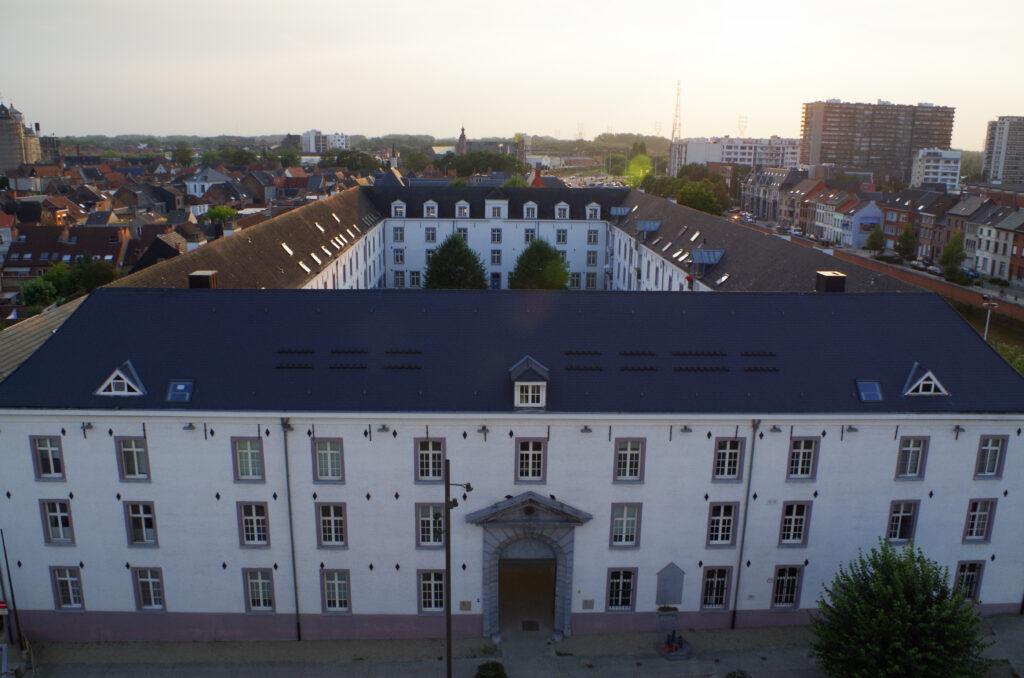
Kazerne Dossin, located in Mechelen, Belgium, is a museum and memorial site dedicated to the remembrance of the Holocaust and human rights abuses during World War II. The site itself was originally a military barracks before being repurposed by the Nazis as a transit camp for Jews and Roma populations who were deported to concentration and extermination camps, including Auschwitz-Birkenau. The museum opened in 2012, not only preserving the memory of the victims but also offering a vigilant reflection on the conditions that allowed such atrocities to occur. Kazerne Dossin holds a significant place within Belgium’s collective memory, standing as a solemn reminder of the dangers of intolerance, racism, and discrimination. It serves as a poignant educational resource, promoting awareness of human rights issues that remain globally relevant today. The museum’s mission extends beyond remembrance; it acts as a catalyst for dialogue on tolerance, democracy, and the protection of fundamental rights.
What You See on Arrival
Upon arrival at Kazerne Dossin, visitors are greeted by a solemn yet architecturally contemporary building that harmonizes the historical presence of the original barracks with modern memorial spaces. The museum’s facade is unobtrusive, reflecting a restrained elegance that befits the nature of the site. Outside, explanatory panels and commemorative plaques set the tone for the visit, providing contextual reference points about the site’s dark past. Visitors may encounter a quiet courtyard area where the original structures tightly frame the space, evoking the oppressive conditions endured by those detained here. The entrance area leads into a thoughtfully arranged visitor center that houses ticket services, a cloakroom, and initial orientation materials. The design allows for a reflective start to the museum experience, encouraging visitors to prepare mentally for the emotional and educational journey ahead.
Highlights and Key Exhibitions
Kazerne Dossin’s permanent exhibition is its central draw, meticulously curated with a clear narrative flow. A key highlight of the exhibit is its comprehensive documentation of the deportation process in Belgium, including detailed profiles and testimonies of victims and survivors. The museum features an extensive collection of photographs, official documents, and personal belongings, each artifact contributing to a layered story of individual and collective suffering. One of the most powerful elements is the multimedia presentations, including video interviews and survivor testimonials, which humanize the historical events and provide a personal connection to the material. The exhibition is arranged chronologically but also punctuated with thematic spaces dedicated to human rights, resistance movements, and the post-war legacy. Special attention is given to the Roma community, whose plight is often less represented in Holocaust memorials. Visitors are encouraged to contemplate broader themes of injustice and the importance of vigilance in safeguarding human dignity.
Visitor Experience
A visit to Kazerne Dossin is both educational and deeply moving. The museum’s layout facilitates a contemplative atmosphere, avoiding overly cluttered displays in favor of carefully selected items that tell critical stories. The audio guide and written information are accessible, thorough, and carefully balanced between academic rigor and general audience engagement. Staff members are noted for their professionalism and sensitivity, able to assist visitors with thoughtful answers to complex questions. The museum maintains a solemn tone without becoming inaccessible, managing to engage younger audiences as well as more seasoned researchers. Interactive elements, such as touchscreens and carefully designed exhibition spaces, help immerse visitors in the narratives without detracting from the respectful ambiance. The museum shop offers a selection of relevant literature and thoughtful souvenirs, further enriching the learning experience. There is a quiet space designated for reflection, inviting visitors to absorb the emotional weight of the exhibits before concluding their visit.
Tickets, Access, and Planning
Kazerne Dossin offers a straightforward ticketing process, with options for individual tickets, group rates, and discounts for students, seniors, and residents. Advance booking is recommended, particularly during peak tourist seasons or around significant dates related to Holocaust remembrance. The museum is easily accessible by public transport, with direct connections from Mechelen’s train station and ample signage guiding visitors to the location. For those traveling by car, parking options are available nearby, though limited in capacity. The site is fully accessible to visitors with reduced mobility, including wheelchair users, with elevators and ramps integrated into the building design. Guided tours can be arranged in multiple languages, supporting international visitors and school groups. The museum’s official website provides comprehensive information on opening hours, safety protocols, and upcoming educational programs, facilitating visitor planning. Adequate facilities such as restrooms and a café area are provided, ensuring a comfortable visit experience.
Final Verdict
Kazerne Dossin stands out as a profound and meticulously curated site of remembrance and education. It succeeds in honoring the memory of victims while delivering an impactful message about the ongoing relevance of vigilance against hatred and injustice. The museum’s respectful design, comprehensive exhibitions, and supportive visitor services make it a vital destination for anyone interested in Holocaust history, human rights, or European history more broadly. Its dedication to preserving lesser-known stories, such as those of the Roma, contributes to a fuller understanding of the Holocaust’s complex legacy. While the subject matter is inevitably challenging and emotionally heavy, the museum manages to present it with clarity and compassion, ensuring visitors leave with both knowledge and a sense of responsibility. For those visiting Mechelen or traveling through Belgium, Kazerne Dossin offers a meaningful and insightful experience that complements broader studies of World War II and human rights history.