Kazerne Dossin
History Museums · Mechelen, Belgium. Kazerne Dossin, located in Mechelen, Belgium, is a profound and moving museum dedicated to the history of the Holocaust and human rights. This site was once a transit camp during World War II, where…
Best forScience, technology, hands-on learning
Setting / nearbyMechelen, Belgium
Overview
Kazerne Dossin, located in Mechelen, Belgium, is a profound and moving museum dedicated to the history of the Holocaust and human rights. This site was once a transit camp during World War II, where thousands of Jews and Roma were deported to concentration camps. Now transformed into a memorial and educational center, the museum seeks to preserve the memory of these tragic events while promoting awareness about tolerance, discrimination, and human dignity. It stands as both a historical museum and a powerful reminder of the dangers of hatred and totalitarianism.
Collection Highlights
The museum’s collection is thoughtfully curated to convey the experiences of those who were detained at the camp and the wider context of the Holocaust in Belgium. Exhibits include original documents, photographs, personal belongings, and testimonies that illustrate the lives of victims and survivors. Visitors encounter detailed displays about the operations of the transit camp, the deportations, and the broader European context of genocide during World War II.
One of the most poignant parts of the collection is the preserved surroundings of the barracks, offering an authentic glimpse into the living conditions endured by prisoners. Multimedia presentations and interactive exhibits allow visitors to engage deeply with this history, fostering a personal connection to the stories told. Additionally, the museum hosts rotating exhibitions and events focused on human rights, ensuring its role as a dynamic educational institution.
Building and Setting
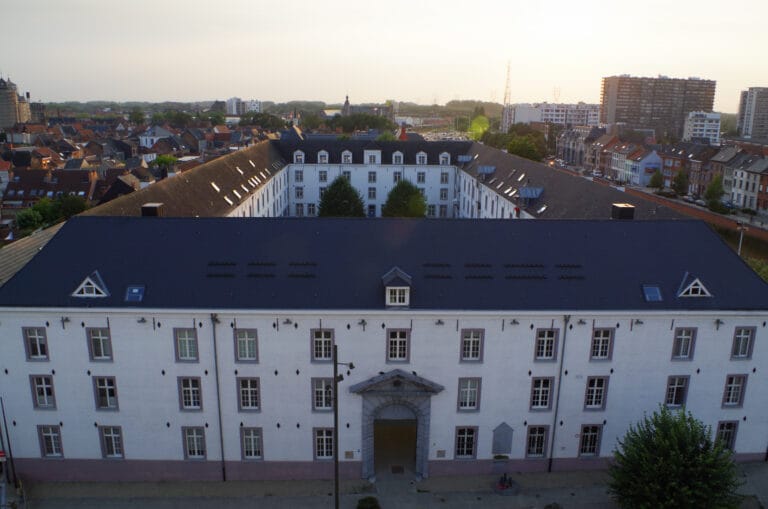
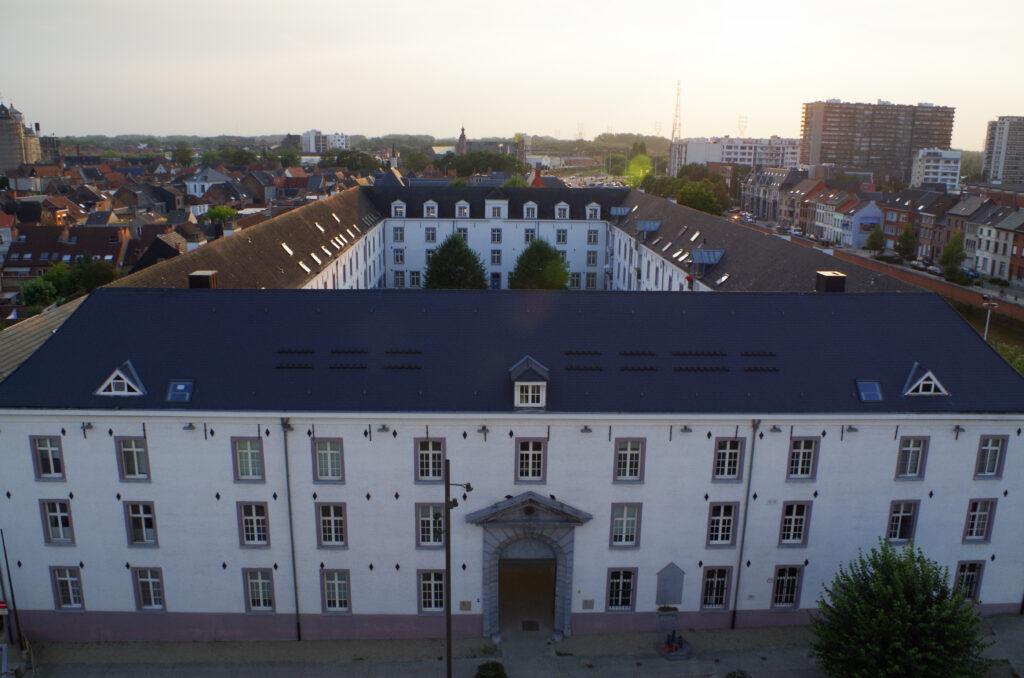
Kazerne Dossin is housed in the original barracks complex, whose sturdy brick buildings hold a sense of solemnity and historical weight. The architecture reflects the military origins of the site but has been sensitively adapted to serve as a memorial space and museum. The grounds are carefully maintained, with outdoor memorials and quiet spaces for reflection.
Situated in the town of Mechelen, the building’s location is significant, directly tied to the tragic events it commemorates. The surrounding area blends residential and urban environments, situating the museum within the living fabric of the city. This integration underlines the museum’s role in contemporary society as a place to remember and educate.
Practical Information
Visitors planning a trip to Kazerne Dossin should check the museum’s official website for the most current information regarding opening hours, ticket prices, and any special visitor requirements. These details can vary seasonally or due to public health protocols.
The museum is accessible by public transportation, with bus and train options available in Mechelen. Parking facilities are nearby for those traveling by car. Accessibility accommodations are in place to welcome visitors with mobility needs.
Guided tours are often available and highly recommended for those wishing to gain a fuller understanding of the exhibits. Educational programs and materials can enhance the visit, especially for school groups or those interested in deeper study.
Why Visit
A visit to Kazerne Dossin is invaluable for anyone interested in history, human rights, or the lessons drawn from the past’s darkest chapters. The museum provides a deeply moving narrative that goes beyond dates and statistics, focusing instead on human stories of suffering, resilience, and remembrance.
Its importance lies not only in preserving memory but also in encouraging vigilance against intolerance today. It challenges visitors to reflect on societal values, the consequences of prejudice, and the importance of upholding justice and human dignity in the present.
Moreover, the museum’s combination of historical authenticity, educational resources, and compassionate storytelling creates an atmosphere of respect and contemplation. Visitors often find themselves profoundly impacted by the experience, gaining perspectives that resonate long after leaving.
Kazerne Dossin is both a memorial and a beacon of learning, making it an essential destination for those seeking to understand this period of history with empathy and insight. In the heart of Belgium, it invites reflection and conversation about the enduring importance of memory and human rights.