Red Star Line Museum
The Red Star Line Museum in Antwerp, Belgium, examines one of the defining migration stories of the late nineteenth and early twentieth.
Best forMaritime history, ships, harbour heritage
Setting / nearbyEurope
Overview
The Red Star Line Museum in Antwerp is one of the most affecting migration museums in Europe and one of the clearest examples of how a museum can turn movement, hope, uncertainty, and departure into a powerful public story. It is built around the history of the Red Star Line shipping company, whose ships carried millions of people from Europe to North America, but the museum is about far more than transport alone. It is about leaving, waiting, paperwork, family separation, expectation, and the emotional weight of migration.
What makes the museum especially compelling is that it treats migration as both a historical process and a human experience. Many museums about shipping or mobility focus on routes, companies, and technical systems. The Red Star Line Museum goes further by centering the people who passed through Antwerp on their way to a different life. That shift in emphasis gives the museum unusual emotional force. Visitors are not only learning about a company or a port. They are being asked to think about what it means to leave home under pressure, by choice, through ambition, or from necessity.
The museum is also especially valuable because Antwerp was one of the key departure points for transatlantic migration. That gives the institution a strong relationship to place. This is not a museum that could be moved anywhere else without losing meaning. The city, the harbor, the former shipping buildings, and the migration routes all belong together. That rootedness is one of the museum’s greatest strengths.
For visitors, the museum often becomes one of the most memorable stops in Antwerp because the story is so immediate and recognizable. Even if the historical setting is specific, the themes remain contemporary. Migration, border crossing, identity, uncertainty, and new beginnings are not only topics of the past. That makes the museum feel relevant in a very direct way.
Collection Highlights
One of the museum’s main strengths is the way it uses personal stories to shape the visit. A migration museum works best when it avoids reducing people to numbers, and the Red Star Line Museum is especially effective because it keeps the individual journey visible. Documents, photographs, luggage, letters, and smaller personal objects often become some of the most memorable parts of the experience. These kinds of items matter because they transform migration from a broad historical pattern into lived experience.
The museum is also strong in its treatment of process. Migration was not simply a departure and an arrival. It involved tickets, inspections, waiting rooms, uncertainty, and the practical realities of crossing borders and oceans. A museum devoted to this subject becomes more powerful when it shows that complexity. This is where the Red Star Line Museum stands out. It makes visible the stages of movement and the systems that shaped who could leave, who could board, and who could pass through.
Another important strength is the shipping context itself. The history of the Red Star Line gives the museum a clear institutional backbone, and that helps organize the broader migration story. Ships, port infrastructure, and company history all matter here, but they are most effective when they remain connected to the passengers. The museum succeeds because transport history does not overshadow human history. Instead, the two support each other.
The emotional range of the museum is also one of its achievements. Migration is not told here as a simple heroic success story. It includes hope, certainly, but also fear, waiting, bureaucracy, loss, and adjustment. That tonal complexity makes the museum feel honest. Visitors can recognize that migration was not one single experience, but many different experiences shaped by class, origin, destination, and circumstance.
Building and Setting
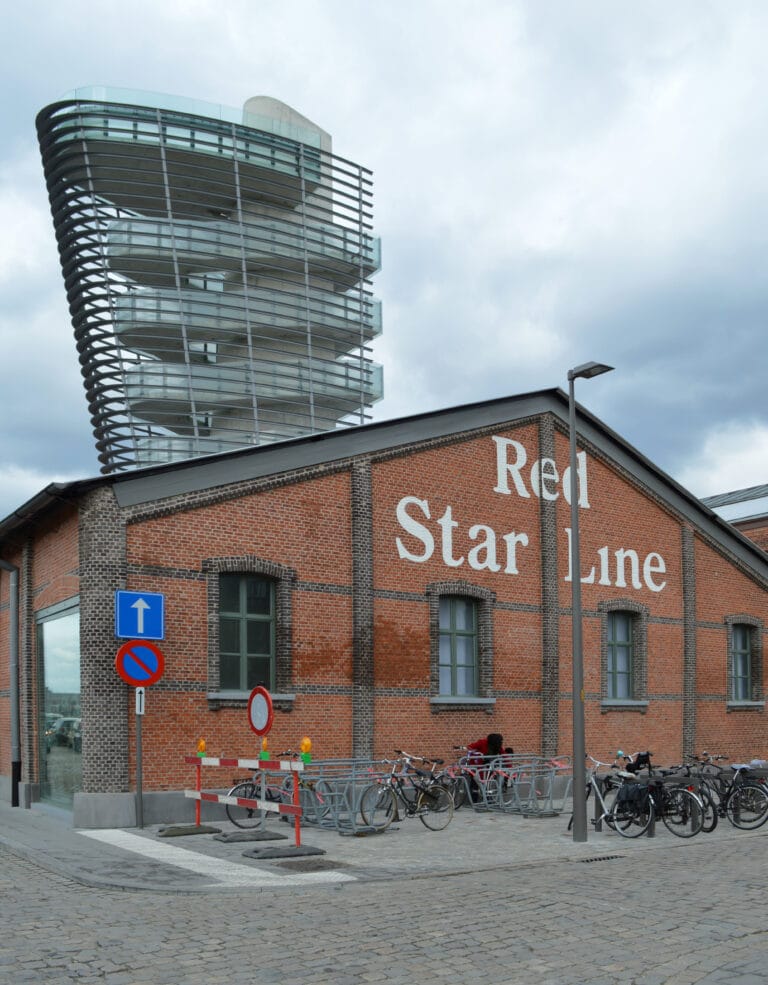
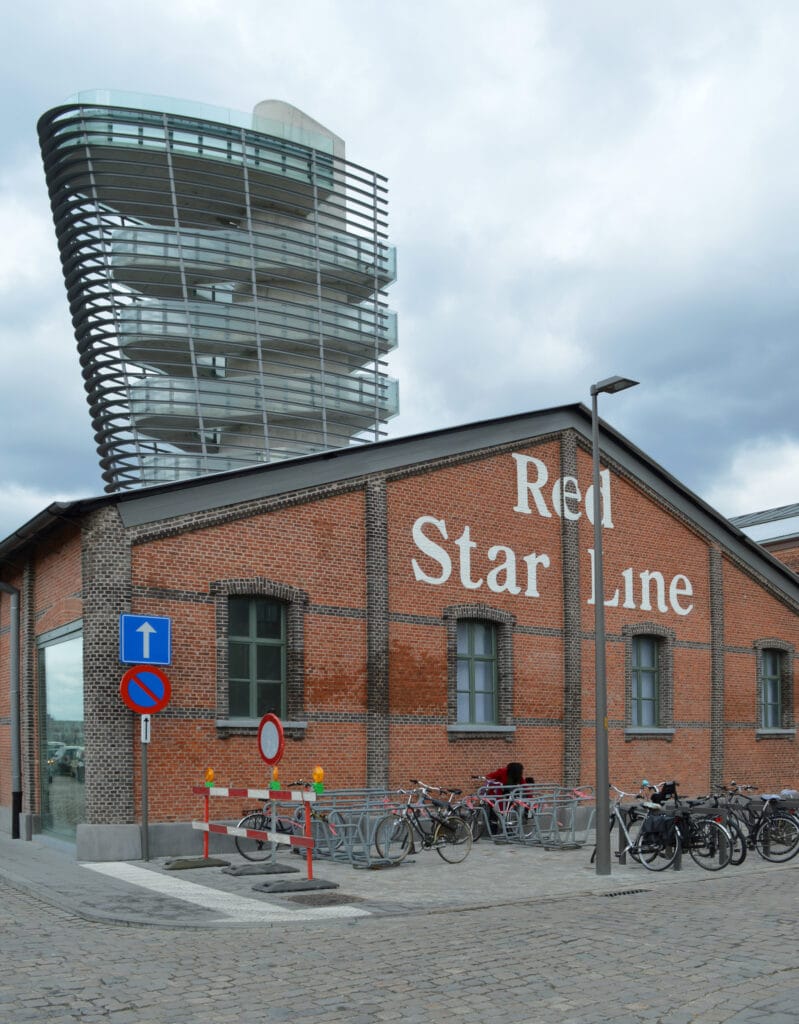
The setting of the Red Star Line Museum is one of its greatest strengths. The museum is housed in the former Red Star Line buildings, and that alone gives the visit unusual authenticity. This matters because migration history is especially powerful when visitors can stand in the spaces where part of the journey actually began. The buildings are not neutral shells for exhibition design. They are part of the story.
That relationship between place and history gives the museum real force. Visitors are not merely reading about departure in abstract terms. They are in a place where people once waited, prepared, and passed through on the way to ships that would take them across the Atlantic. This kind of direct connection can make the museum far more affecting than a similar exhibition mounted elsewhere.
Its location in Antwerp also deepens the experience. The city’s identity as a port and a point of international exchange is essential to the museum’s meaning. Antwerp is not simply the backdrop here. It is one of the reasons the museum exists. The museum therefore helps visitors understand the city itself in a wider historical frame, not only as a commercial port but as a threshold between continents and lives.
Architecturally, the museum benefits from this combination of preserved historical setting and contemporary interpretation. The result is a museum that feels rooted but not frozen, and reflective without becoming distant. That balance is one of the reasons the visit works so well.
Practical Information
The Red Star Line Museum is best visited with enough time to move through the story slowly. This is not a museum that should be rushed if possible. Much of its strength lies in the cumulative effect of individual lives, historical process, and physical setting. A quick visit may catch the main themes, but a slower one gives the museum much more emotional and historical depth.
It is especially rewarding for visitors interested in migration, family history, port cities, Atlantic history, and museums that focus on human experience rather than only on objects. At the same time, it also works very well for general travelers because the story is so direct and relatable. Even people without a prior interest in shipping or migration history often find the museum unexpectedly moving.
Because the museum is tied so strongly to Antwerp’s harbor history, it also fits naturally into a wider exploration of the city. But it is strong enough to justify dedicated time of its own. This is especially true for visitors who value museums that connect past and present in a meaningful way.
Why Visit
The Red Star Line Museum is worth visiting because it turns migration into something human, specific, and memorable. It shows that leaving for another continent was not an abstract historical event, but a sequence of decisions, fears, hopes, and practical realities lived by millions of individuals. That gives the museum unusual emotional power.
It is also worth visiting because it combines story and place so effectively. The former shipping buildings, the city of Antwerp, and the transatlantic migration narrative all reinforce one another. This gives the visit a sense of authenticity that many migration museums cannot match.
If you want a museum in Antwerp that combines historical depth, emotional resonance, and a strong sense of place, the Red Star Line Museum is one of the clearest choices. It is one of the city’s most distinctive museums and one of its most rewarding cultural visits.