Oskar Schindler’s Enamel Factory Review
History Museums · Kraków, Poland. Oskar Schindler’s Enamel Factory, located in Kraków, Poland, stands as a poignant testament to one of the most harrowing and heroic episodes of the Second World War. Before the war, this factory was a…
History Museums · Kraków, Poland. Oskar Schindler’s Enamel Factory, located in Kraków, Poland, stands as a poignant testament to one of the most harrowing and heroic episodes of the Second World War. Before the war, this factory was a…
Best forScience, technology, hands-on learning
Review focusExhibits, interpretation, visitor flow
Historical Context
Oskar Schindler’s Enamel Factory, located in Kraków, Poland, stands as a poignant testament to one of the most harrowing and heroic episodes of the Second World War. Before the war, this factory was a hub of industrial activity producing everyday goods. However, its significance changed drastically with the Nazi occupation of Poland. Schindler, a German industrialist and member of the Nazi Party, acquired the factory in 1939 and became an unlikely savior of over a thousand Jewish workers by employing them and protecting them from deportation to concentration camps. The factory intertwines the grim realities of war, the Holocaust, and acts of remarkable courage, capturing a compelling narrative of survival amidst systemic persecution. Today, the site operates as a branch of the Historical Museum of the City of Kraków, dedicated to presenting the wartime history of the Jewish community, the Nazi occupation, and the complex legacy of Schindler’s actions, offering visitors a profound insight into this layered historical period.
What You See on Arrival
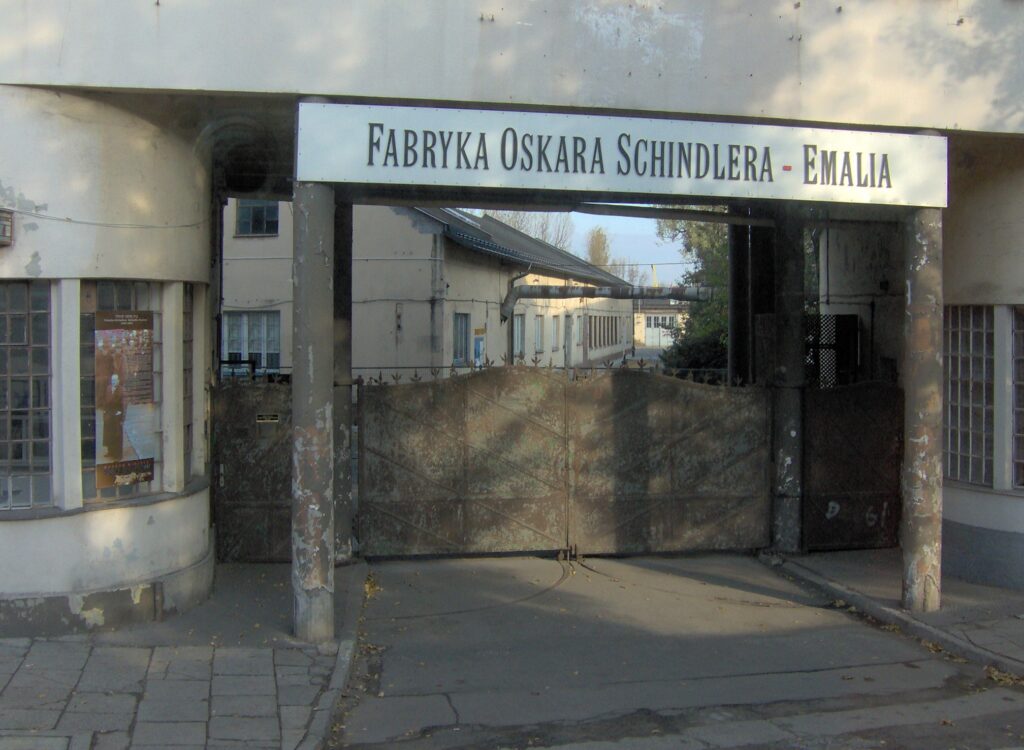
Approaching the factory, visitors are greeted by a modest exterior that belies the rich and somber history housed within its walls. The site maintains much of its original industrial structure, giving an authentic sense of the everyday environment where these extraordinary events took place. The entrance is marked clearly and leads into a spacious lobby area where visitors can begin their journey through the chronological and thematic exhibitions. Throughout the initial sections, visual and textual materials introduce the broader context of Kraków under Nazi rule, setting the stage for understanding the later exhibits focused on Schindler’s factory. The museum employs a restrained and respectful architectural approach, ensuring that the historical narrative remains central rather than overwhelming. Facilities for orientation, such as maps and brochures, are available to visitors and help guide them through the museum’s layout seamlessly.
Highlights and Key Exhibitions
The core of the museum lies in its thoughtful curation of artifacts, photographs, personal testimonies, and multimedia presentations that collectively reconstruct the wartime experiences of the Jewish population and the operation of Schindler’s factory. Key exhibitions explore the transformation of the factory under Nazi control and Schindler’s evolving role from opportunistic businessman to protector of his Jewish workforce. One of the most powerful displays includes authentic archival materials, such as identity papers, factory equipment, and original correspondence, which anchor the narrative in tangible reality. Multimedia stations provide detailed accounts from survivors and historical analysts, enriching the visitor’s understanding with personal and scholarly perspectives. The exhibition also carefully addresses the broader context of the Holocaust in Kraków, offering a comprehensive view of the city’s occupation, resistance efforts, and the tragic fate of its Jewish citizens. The museum’s use of light, sound, and spatial design heightens the emotional impact of these exhibits without resorting to sensationalism, striking a considered balance between education and commemoration.
Visitor Experience
The visitor experience at Oskar Schindler’s Enamel Factory is both emotionally profound and intellectually enriching. The exhibition design encourages reflection, placing visitors within the historical moment while facilitating comprehension through clear and accessible explanatory texts and multimedia supplements. The progression through the museum feels methodical and well-considered, enabling a layered understanding of the political, social, and human dimensions of the era. Informational materials are available in multiple languages, enhancing accessibility for international audiences. While the museum’s tone is inevitably somber given its subject matter, the narrative of resilience and moral complexity provides moments of inspiration amid the tragedy. The facility is equipped with seating areas for rest and contemplation and features staff who are knowledgeable and respectful, prepared to assist queries or provide additional context where needed. Visitors interested in deeper engagement may also find a small bookshop with relevant publications to extend their learning beyond the museum visit.
Tickets, Access, and Planning
Entry to the museum requires a ticket, which can be purchased on-site or in advance through the official website. Booking ahead is advisable during peak tourist seasons to ensure availability and to avoid long waiting times. Ticket prices are reasonable, reflecting the museum’s status as a significant cultural and historical landmark with public educational purposes. Discounts are typically offered to students, seniors, and groups. The factory is centrally located in Kraków, making it easily accessible via public transport, including buses and trams, and it lies within walking distance of other major historic sites such as the Old Town and the former Jewish district. The museum is wheelchair accessible, with ramps and elevators, and provides facilities such as restrooms and coat checks to enhance visitor comfort. Audio guides and guided tours are available to enhance the understanding of the exhibits, though these may require additional booking. The museum advises allocating at least 1.5 to 2 hours to fully explore the exhibitions without rushing.
Final Verdict
Oskar Schindler’s Enamel Factory serves as an essential and thoughtfully presented commemoration of a tumultuous chapter in Kraków’s and Europe’s history. While it deals with deeply challenging themes related to war, survival, and human morality, the museum successfully conveys these complexities with sensitivity and educational rigor. The site’s authentic atmosphere, combined with its well-curated collections and modern interpretive tools, creates a deeply engaging experience that moves beyond mere historical record to offer profound reflection. Its strengths lie in the balanced presentation of Schindler’s legacy alongside the broader narrative of the Holocaust’s impact on Kraków’s Jewish community. This museum is indispensable for those interested in twentieth-century history, Jewish heritage, and studies of courage amidst adversity. While the content is inevitably heavy, it is presented in a manner that is accessible to a wide audience, making it a vital cultural destination and a powerful reminder of history’s enduring lessons.