Shanghai Natural History Museum Review
History Museums · Shanghai, China. The Shanghai Natural History Museum occupies an important place in China’s museum landscape, reflecting the country’s growing investment in science education and natural heritage preservation over the past century. Established initially in the…
History Museums · Shanghai, China. The Shanghai Natural History Museum occupies an important place in China’s museum landscape, reflecting the country’s growing investment in science education and natural heritage preservation over the past century. Established initially in the…
Best forFamilies, nature lovers, science travelers
Review focusNatural history collections and visitor planning
Historical Context
The Shanghai Natural History Museum occupies an important place in China’s museum landscape, reflecting the country’s growing investment in science education and natural heritage preservation over the past century. Established initially in the early 20th century, the institution has experienced several changes in location, scope, and exhibition strategy before settling into its current modern facility in the Jing’an district of Shanghai. This transition to a purpose-built space in 2015 marked a significant turning point, allowing the museum to showcase a comprehensive collection spanning paleontology, zoology, botany, and mineralogy.
As one of China’s premier natural history museums, it aligns with broader national efforts to raise public awareness of biodiversity and geological history. Its collections include specimens gathered through decades of fieldwork and scientific collaboration, offering insight into both regional ecosystems and global natural phenomena. The museum's narrative ties into ongoing scientific research and environmental concerns, positioning it as a hub for both educational outreach and scholarly activity within Shanghai—a city where traditional cultural institutions often compete with contemporary demands and urban dynamism.
What You See on Arrival
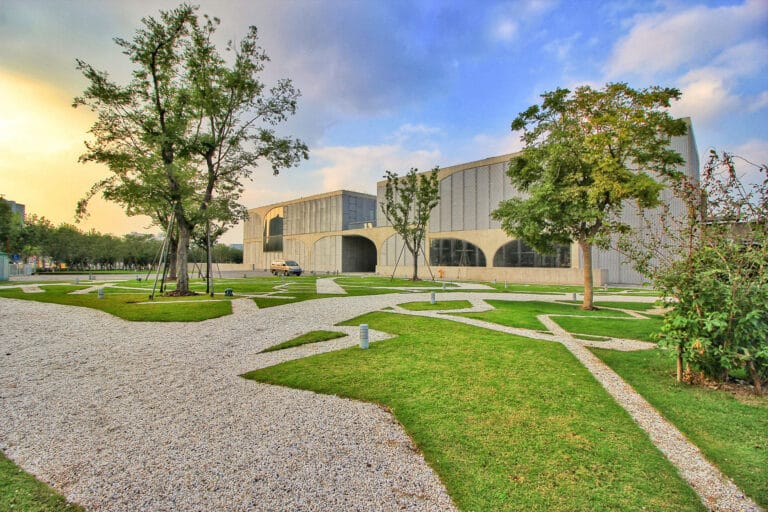
Visitors approaching the Shanghai Natural History Museum encounter a striking modern architectural design, consciously intended to evoke natural forms and geological layers. The building’s facade and entrance plaza signal an institution focused on the earth sciences and life history, with a spacious forecourt providing a transition space before entering the galleries. This initial frame helps set expectations for a museum experience centered on the physical world’s diversity and complexity.
Upon entry, the museum emphasizes clarity and legibility in its spatial organization. The wayfinding leads audiences into a grand central hall, a common fulcrum from which various themed galleries branch off. The interior blends ample natural light with carefully curated display lighting, aiming to balance specimen preservation with visitor comfort. The museum's identity is clearly tied to its role as an educational resource for visitors ranging from students to naturalists and casual museum-goers interested in nature.
Visual and textual elements introduced near the entrance point to Shanghai's place within the natural world and hint at the significant depth of the collection, which includes fossils, animal specimens, minerals, and plant materials. This deliberate framing helps visitors orient themselves and primes them for a journey through time and biological variety.
Highlights and Key Exhibitions
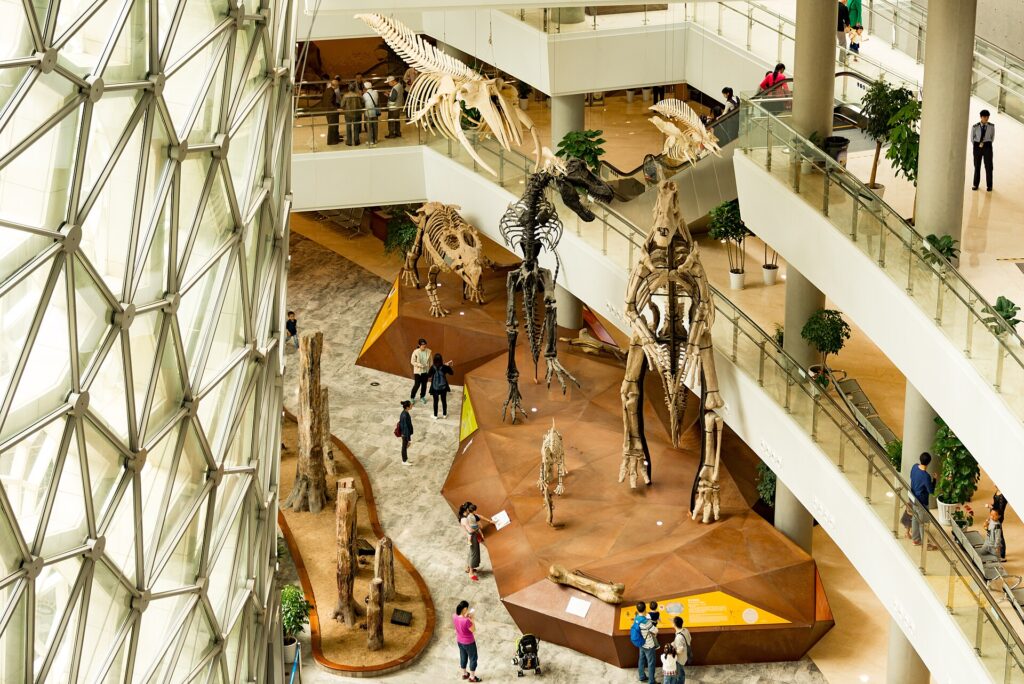
The core appeal of the Shanghai Natural History Museum lies in the scope and diversity of its natural science collections, which are organized across several distinct but interconnected thematic areas. One of the museum’s best-known strengths is its paleontological holdings. These include well-preserved dinosaur skeletons and fossil exhibits that trace the evolutionary progression from ancient creatures to modern fauna. Particular attention is paid to specimens discovered within China, offering a localized context to the larger story of natural history.
The fossil galleries carefully balance dramatic, large-scale displays—such as mounted dinosaur skeletons—with more detailed, smaller exhibits featuring fossils of flora and fauna that paint a richer picture of prehistoric ecosystems. Informational panels provide scientific context, though the level of depth varies, occasionally favoring visually impressive specimens over extensive interpretive content.
The zoology sections display a wide array of animal specimens, including taxidermied mammals, birds, and reptiles, many of which highlight Asian biodiversity. The museum attempts to cover key ecosystems and ecological niches, though some parts can feel densely packed or somewhat traditional in their presentation style—more akin to classical natural history collections rather than interactive or experimental approaches seen elsewhere.
Botanical and mineralogical collections also form a significant component of the museum’s science narrative. Crystals, gemstones, and other minerals illustrate the Earth's geological variety, while plant specimens provide insights into biodiversity and environmental adaptation. These areas complement the story of life on Earth by presenting inorganic and organic aspects of the natural world side by side.
Throughout the galleries, scientific displays are supplemented by occasional models, dioramas, and multimedia elements. However, the museum often prioritizes physical collections and traditional glass cases, which might appeal more to audiences who prefer direct encounters with authentic specimens over digital or interactive experiences.
Visitor Experience
The Shanghai Natural History Museum is designed primarily for a broad audience that includes local school groups, families, and individual visitors with varying levels of scientific knowledge. Its layout encourages a roughly linear progression through time and taxonomy but also allows for choosing specific sections independently. This flexibility is useful for repeat visits or visitors with focused interests.
The pace of the experience can vary. Some visitors may find the large-scale fossil exhibits immediately engaging, while the more densely labeled zoological and mineralogical sections might demand more time and attention to appreciate. The balance of specimen scale and interpretation can lead to uneven engagement, particularly for those less familiar with natural sciences.
Interpretation tends to be clear but factual, emphasizing scientific classification and natural history details rather than narrative storytelling or thematic exhibitions. While this suits those with a prior interest or background in biology and earth sciences, it can present a barrier to casual visitors hoping for a more accessible or storyline-driven visit.
The museum space supports a comfortable flow, though peak times can produce crowding around popular displays, particularly the dinosaur skeletons. The design layout integrates wide corridors and spacious galleries but some smaller rooms may feel cramped during high attendance periods.
Overall, the Shanghai Natural History Museum aligns well with school curricula and functions as a resource for educational groups. It may be less engaging for visitors seeking highly interactive exhibits or contemporary art-science installations. However, its collections’ breadth and scientific rigor make it a significant site for understanding natural heritage, particularly from a Chinese and East Asian perspective.
Tickets, Access, and Planning
Practical details regarding tickets, access, and visitor services at the Shanghai Natural History Museum should be verified through the museum’s official channels before planning a visit. Public information can change regarding opening hours, admission policies, and available services.
Given its urban location, the museum is reachable via public transport options common in Shanghai. Visitors should consider potential rush hour crowding and plan accordingly. Entrance fees, if any, and available concessions are not uniformly documented in public sources and may vary depending on seasonal schedules or special circumstances.
Those interested in accessing specialized tours, educational programs, or bilingual materials should check directly with the museum for current offerings, as not all services are guaranteed or consistently available. Similarly, accessibility accommodations merit confirmation in advance to ensure a smooth visit for all guests.
Final Verdict
The Shanghai Natural History Museum stands as a substantial institutional effort to present natural science collections in a city more often recognized for its rapid modernization and cultural innovation. Its post-2015 facility offers a significant upgrade in display quality and spatial organization compared to earlier incarnations, providing a clear narrative that links China’s rich natural history with broader evolutionary and ecological themes.
Its strengths are tangible: an extensive collection with genuine scientific value, especially in paleontology, zoology, and mineralogy; a thoughtful architectural presence that respects natural forms; and accessibility to a wide public that includes students and learners at multiple levels. It functions as a reliable resource for those invested in understanding earth sciences without resorting to over-simplification.
At the same time, the museum’s approach remains somewhat traditional. Interpretation can feel uneven, and the focus on physical specimens may limit engagement for visitors who prefer more interactive or contemporary museum experiences. Occasional crowding and rigid exhibit formats may also affect visitor comfort and flow, especially during busy periods.
In balance, the Shanghai Natural History Museum holds significant value for audiences invested in natural history, scientific collections, and environmental education. It is less suited for those seeking cutting-edge museological experimentation or entertainment-focused experiences. For regional and international visitors with an interest in biological and geological sciences, it offers a discerning and detailed journey through nature’s past and present, contributing to Shanghai’s cultural and educational offerings without overextending beyond its clear museum mandate.
Readers considering a visit should consult the museum’s official website for the latest information on hours, ticketing, and visitor services to ensure a smooth and informed experience.