Museum of Fine Arts Boston Review
Art Museums · Boston, United States. The Museum of Fine Arts Boston (MFA Boston) stands as one of the oldest and most comprehensive art museums in the United States. Established in 1870, the institution has grown from a modest collection…
Art Museums · Boston, United States. The Museum of Fine Arts Boston (MFA Boston) stands as one of the oldest and most comprehensive art museums in the United States. Established in 1870, the institution has grown from a modest collection…
Best forMasterpieces, architecture, cultural history
Review focusCollection highlights, building, visitor flow
Historical Context
The Museum of Fine Arts Boston (MFA Boston) stands as one of the oldest and most comprehensive art museums in the United States. Established in 1870, the institution has grown from a modest collection primarily focused on American and European art to a sprawling cultural landmark that encompasses over 450,000 objects across diverse artistic traditions. Situated in the heart of Boston, a city known for its rich historical and cultural heritage, the museum reflects the city's longstanding commitment to education and public engagement through the arts. Over the course of its history, the MFA Boston has expanded architecturally and programmatically, representing an evolving narrative that embraces not only Western art but also significant collections from Asia, Egypt, the Americas, and contemporary global art scenes. The museum’s historical context is rooted in both its academic aspirations and its mission to make art accessible to broad audiences, positioning it as a vital institution in the American museum landscape.
What You See on Arrival
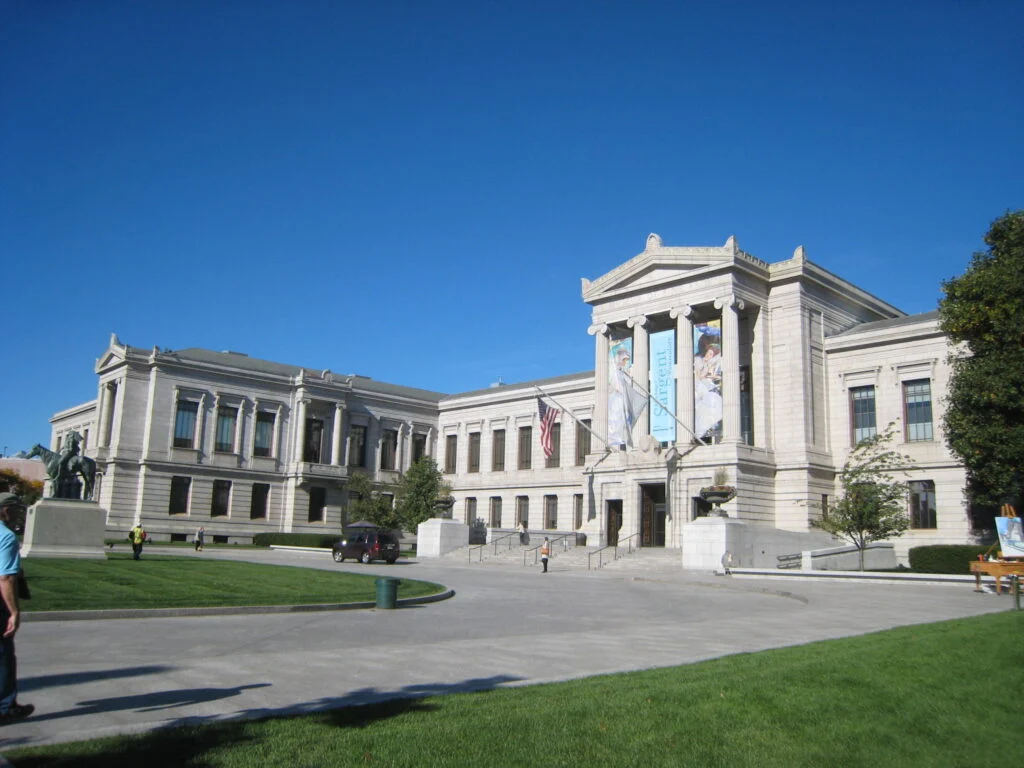
Upon reaching the Museum of Fine Arts Boston, visitors are greeted by an imposing neoclassical facade that evokes a sense of gravitas and tradition. The main entrance, known as the Huntington Avenue entrance, features grand stairways and classical columns that set a tone of formality and reverence for the artworks housed inside. On the surrounding grounds, visitors will notice expansive landscaping that complements the museum's architecture, including a peaceful sculpture garden featuring works from modern and contemporary artists.
Inside, a vast atrium welcomes guests with natural light pouring in through high ceilings and large windows, balancing openness with the museum’s historic character. Signage is generally clear, guiding visitors toward the various wings and exhibition spaces. Adjacent to the main lobby, the ticket and information desks are easily accessible, and the museum’s layout is designed to direct foot traffic toward major galleries without overwhelming first-time visitors. The presence of a spacious café and well-stocked museum shop near the entrance enhances the initial impression, making the arrival experience both inviting and practical.
Highlights and Key Exhibitions
The Museum of Fine Arts Boston offers an impressively diverse collection, often cited as its key strength, with significant highlights spanning multiple artistic disciplines and periods. The American art galleries are notable for their breadth, showcasing celebrated artists like John Singleton Copley, Winslow Homer, and Mary Cassatt, illustrating the development of American painting from colonial times through the early 20th century. These galleries provide an expansive narrative of the nation’s artistic evolution.
Asian art occupies a prominent and well-curated space within the museum, with remarkable collections of Japanese prints, Chinese jade and ceramics, and South Asian sculptures. These galleries are meticulously arranged to not only present individual masterpieces but also to contextualize cultural and historical traditions.
Equally remarkable is the museum’s impressive collection of Egyptian artifacts, ranging from monumental sculptures to intricately decorated sarcophagi, which afford visitors a window into ancient civilizations that shaped human history.
Modern and contemporary art receive careful attention through key works by artists such as Monet, Renoir, and Van Gogh in the Impressionist galleries, alongside a growing collection that includes abstract expressionism and multimedia art.
The museum’s commitment to thematic and chronological storytelling is evident throughout the galleries, along with thoughtfully curated permanent exhibitions that rarely fail to engage both casual visitors and serious art enthusiasts.
Visitor Experience
The visitor experience at the Museum of Fine Arts Boston is generally highly regarded for its blend of educational content and accessibility. Galleries provide descriptive labels that offer essential information without overwhelming visitors with jargon. Audio guides and interactive digital tools enhance understanding, though these may require additional fees or device rentals.
The museum is well staffed with knowledgeable personnel available to assist with directions and exhibit information. Regular public programming, including lectures, workshops, and family activities, enriches the experience, making the space more than a gallery but a community cultural hub.
Notably, the museum prioritizes visitor comfort with plenty of seating areas, rest spots within galleries, and climate control that ensures a pleasant environment year-round. However, the sheer scale and density of the collection can be challenging for some visitors to navigate in a single visit, potentially requiring selectivity or multiple trips to appreciate fully.
Tickets, Access, and Planning
Ticketing policies at the MFA Boston offer flexibility, with options ranging from one-day general admission to annual memberships for frequent visitors. Admission prices vary to accommodate different visitor categories, including seniors, students, and children. Boston residents occasionally benefit from reduced or free admission days, though these may require advance reservations.
The museum is conveniently accessed via several public transportation routes, notably the MBTA Green Line, making it easily reachable for visitors without private vehicles. Ample parking is available, albeit at a cost, and nearby amenities such as restaurants and hotels complement the visit for those planning longer stays.
Accessibility is a clear priority, with ramps, elevators, and accessible restrooms available throughout the premises. Sign language interpreters and assistive listening devices are sometimes provided for special events. The museum’s official website offers comprehensive information to aid in trip planning, including maps, current hours, and recommended itineraries, though some navigation could be smoother for first-time users.
Final Verdict
The Museum of Fine Arts Boston represents a landmark institution that successfully balances the grandeur of classical art with the diversity of global artistic expression. Its long history and rigorous collection development have created a comprehensive and richly textured experience for visitors that caters to a wide spectrum of interests. While the museum’s vastness may be daunting at first, it is also a testament to the breadth of its holdings and academic rigour.
Strengths include the quality of the permanent collections, particularly in American and Asian art, along with the scholarly yet accessible exhibition design. Visitor amenities are robust, and the museum’s location within a vibrant cultural city adds to its appeal. Areas for improvement might include enhancing digital navigation tools and expanding more frequent opportunities for free access to broaden audience reach.
Ultimately, MFA Boston is an essential stop for art lovers in the United States, offering a deep dive into artistic traditions that span continents and centuries. Whether as an educational resource, a cultural institution, or simply a space for aesthetic enjoyment, it remains a jewel in Boston’s cultural crown.