Cleveland Museum of Art Review
Tickets & Tours
Compare ticket options and guided tours from trusted booking partners.
We may earn a commission if you book through these links.
Historical Context
The Cleveland Museum of Art, located in Cleveland, Ohio, stands as a beacon of cultural enrichment in the United States. Established in 1913, the institution has grown from a modest regional museum into a globally recognized cultural landmark known for its comprehensive and diverse collection. From its inception, the museum was envisioned as a public institution committed to accessibility and education, a mission that remains central to its operations today. Over the decades, the Cleveland Museum of Art has cultivated a reputation for curating art from multiple continents and historical periods, encompassing ancient artifacts, classical paintings, and contemporary works. Its development mirrors the city’s own evolution, reflecting Cleveland’s aspirations to be not only an industrial hub but also a vital center for arts and humanities. The museum’s commitment to scholarship and innovation in display and interpretation continues to draw academic attention and art enthusiasts alike, making it an essential destination on the American museum landscape.
What You See on Arrival
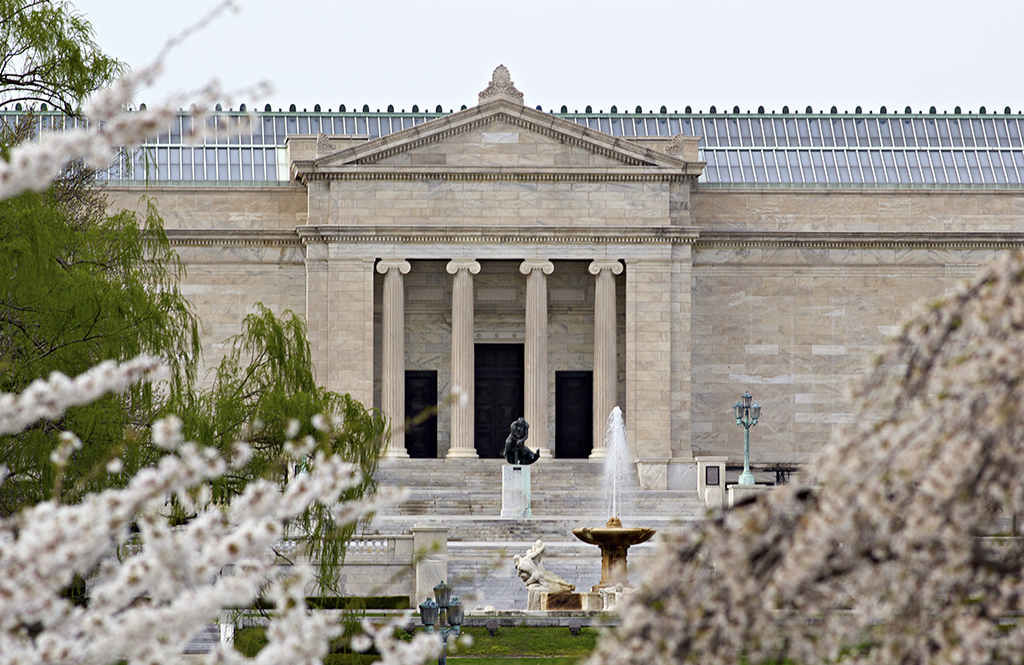
Approaching the Cleveland Museum of Art, visitors are greeted by a striking neoclassical facade that exudes understated elegance. The original 1916 building features grand columns and a symmetrical layout, conveying a sense of timelessness and calm. Complementing this historic architecture are more recent expansions and renovations, which have thoughtfully introduced modern glass elements and open spaces without overshadowing the original design. The museum sits within the lush, meticulously maintained Wade Lagoon area in Cleveland’s University Circle neighborhood, providing a serene park-like setting ideal for contemplation before entering. The grand entrance invites visitors into a spacious lobby where natural light filters through high windows, creating an atmosphere both welcoming and contemplative. Overall, the exterior and arrival area successfully balance tradition and modernity, setting the tone for the diverse and dynamic experience awaiting inside.
Highlights and Key Exhibitions
The Cleveland Museum of Art’s permanent collection is a testament to breadth and quality, housing over 61,000 works that span 6,000 years of human creativity. A notable strength lies in its Asia collection, which is among the most distinguished in North America, featuring rare Chinese ceramics, Japanese prints, and Indian sculptures that illuminate artistic traditions across the continent. The European paintings gallery offers masterpieces from renowned artists such as El Greco, Monet, and Cézanne, showcasing key movements like Impressionism and Baroque with thoughtfully curated pieces. Ancient art enthusiasts will find the museum’s holdings of Greek, Roman, and Egyptian artifacts compelling, with sculptures, pottery, and jewelry that tell stories from distant civilizations. Contemporary and modern art spaces highlight artists who challenge form and concept, creating a dialogue between past and present. The museum’s approach to display fosters thematic and cross-cultural connections, enhancing the visitor’s understanding of global art histories. Though the museum regularly hosts temporary exhibitions, its core collection remains the principal draw.
Visitor Experience
The Cleveland Museum of Art strikes a balance between scholarly rigor and visitor-friendly design, making it accessible to a wide audience. Interpretive materials, including detailed labels, audio guides, and digital resources, enrich the educational value without overwhelming the casual visitor. The museum’s layout is intuitive; galleries flow logically from one thematic area to another, supporting an immersive journey through time and culture. Seating areas are thoughtfully placed to encourage rest and reflection, and the lighting is calibrated to both preserve art and highlight visual details. Museum staff are generally knowledgeable and approachable, contributing positively to the overall atmosphere. A sense of calm pervades the space, enabling an unhurried exploration of artworks. Additionally, the museum offers programs, lectures, and workshops that deepen engagement, although these may require prior arrangement. While the museum’s scale means a single visit may only scratch the surface, the quality of presentation invites repeated visits and extended study.
Tickets, Access, and Planning
Admission to the Cleveland Museum of Art is free, an exceptional feature that underscores its founding mission of public accessibility. However, some special exhibitions may require tickets or reservations, and prospective visitors should check the official website in advance for the latest information. The museum is located in University Circle, a culturally rich district with ample public transit options, including buses and nearby rapid transit stations. Valet parking and accessible garage facilities are available for those who prefer to arrive by car. Accessibility throughout the museum is a priority; ramps, elevators, and accessible restrooms are standard, ensuring that visitors with mobility challenges can enjoy the majority of the collection with ease. For those planning a visit, it is advisable to allocate at least three to four hours to fully appreciate the exhibits, or consider multiple shorter visits tailored to specific interests. The museum’s website provides comprehensive visitor information, including maps, upcoming events, and details on guided tours.
Final Verdict
The Cleveland Museum of Art represents a distinguished and well-rounded institution within the American cultural landscape. Its strengths lie in the diversity and quality of its collection, its commitment to accessibility, and the thoughtful integration of historic and modern architectural elements. Visitors encounter an enriching environment that facilitates both quiet contemplation and active learning, supported by knowledgeable staff and robust interpretive resources. While the museum’s size means selective viewing is necessary, the breadth of the collection ensures that there is something to engage every art enthusiast, from ancient civilizations to contemporary creators. Free general admission further democratizes access, positioning the museum as a vital community resource. Though special exhibitions fluctuate and contemporary programming evolves, the Cleveland Museum of Art remains a top-tier destination for both seasoned art lovers and curious newcomers, embodying a dynamic bridge between past and present artistic achievement.