Philadelphia Museum of Art Review
Art Museums · Philadelphia, United States. The Philadelphia Museum of Art, established in 1876, stands as one of the United States’ preeminent institutions for fine art. Originally founded to showcase works during the Centennial Exposition, it has evolved into a…
Art Museums · Philadelphia, United States. The Philadelphia Museum of Art, established in 1876, stands as one of the United States’ preeminent institutions for fine art. Originally founded to showcase works during the Centennial Exposition, it has evolved into a…
Best forMasterpieces, architecture, cultural history
Review focusCollection highlights, building, visitor flow
Historical Context
The Philadelphia Museum of Art, established in 1876, stands as one of the United States’ preeminent institutions for fine art. Originally founded to showcase works during the Centennial Exposition, it has evolved into a comprehensive cultural hub that reflects Philadelphia’s deep-rooted history in art and innovation. The museum’s iconic building, completed in 1928, was inspired by classical Greek temples and houses a collection that spans over 2,000 years of artistic achievement. Its foundation reflects the city’s early commitment to public arts education and civic pride, mirroring Philadelphia’s status as a historic center for American art, culture, and social progress. The museum’s development over time has been marked by significant acquisitions, a dedication to preserving both European and American art, and expansions that have embraced a diverse array of global artistic traditions. With a mission rooted in accessibility, education, and cultural dialogue, the Philadelphia Museum of Art remains a pivotal institution for art lovers, historians, and tourists alike.
What You See on Arrival
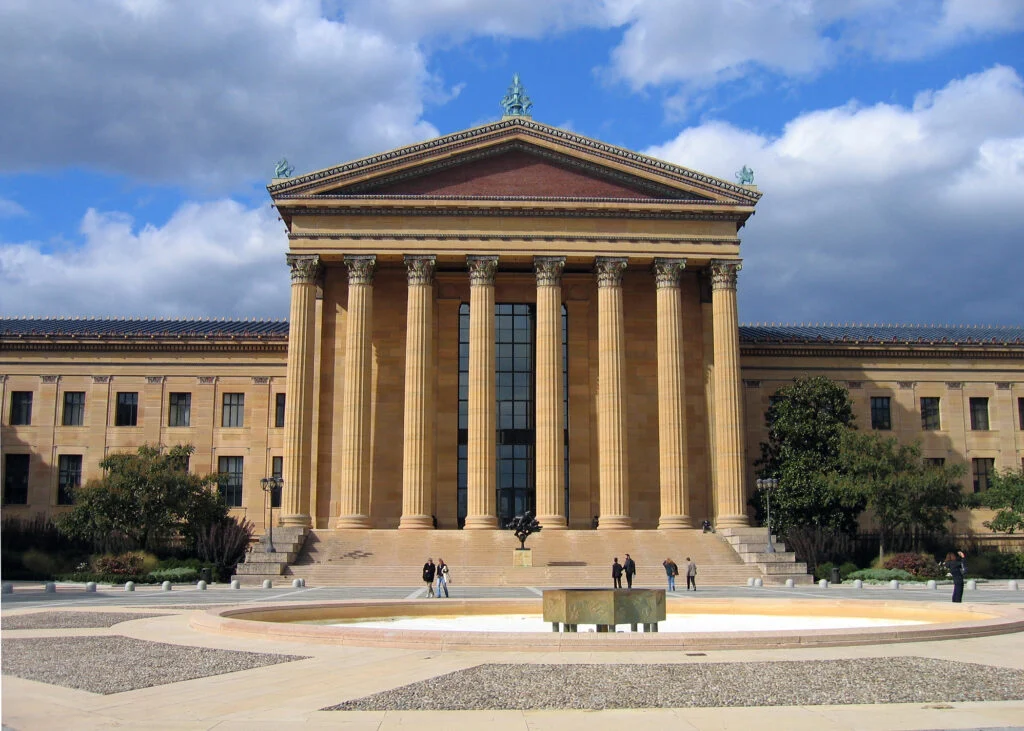
Approaching the Philadelphia Museum of Art, the first striking feature is the imposing facade and its grand staircase, famously popularized in popular culture as the "Rocky Steps." The museum’s entrance is flanked by massive pillars and expansive terraces, setting a tone of grandeur and elegance. Visitors are met with an open plaza that provides superb views of Benjamin Franklin Parkway, reinforcing the museum’s status not just as a building but as a landmark within the city’s landscape. On arrival, the well-manicured grounds and fountains create a welcoming and serene environment, offering ample photography opportunities. The museum’s location at the end of a cultural corridor invites visitors to contemplate the urban and natural surroundings before entering. Security and signage are clearly visible but unobtrusive, facilitating a smooth transition into the institution’s interior spaces. Overall, the external experience sets expectations for a day of enriching cultural encounters.
Highlights and Key Exhibitions
The Philadelphia Museum of Art boasts a collection that is as diverse as it is extensive, with highlights that cater to a wide range of artistic interests. Among the standout permanent collections are masterpieces from European Renaissance painters, such as works by Raphael and El Greco, offering visitors a glimpse into foundational art historical periods. The museum also holds an impressive assembly of Impressionist and Post-Impressionist works, featuring luminaries like Monet, Cézanne, and Van Gogh, which are presented with thoughtful interpretive materials. Another notable segment is the American Art collection, which explores the development of the United States’ artistic identity from colonial times through the 20th century, including works by Thomas Eakins and Mary Cassatt. Modern and contemporary art galleries highlight pieces by Pablo Picasso, Marcel Duchamp, and a strong representation of 20th-century American innovation. Sculpture and decorative arts also play a crucial role, with exquisite examples of Asian arts, armor, and textiles enriching the visitor experience. The museum’s curatorial approach harmonizes these collections, ensuring a balance of historical significance and aesthetic engagement.
Visitor Experience
The visitor journey through the Philadelphia Museum of Art is designed to be both educational and immersive. Gallery layouts are spacious and thoughtfully arranged, enabling easy navigation without feeling crowded even during peak visiting hours. Information plaques are concise yet insightful, often supplemented with multimedia guides and interactive displays to deepen understanding. Staff members, including docents and gallery attendants, are known for their helpfulness and accessibility, enhancing the overall visit. The museum emphasizes a multi-sensory experience, with audio tours and special programming available for varied interests and age groups. For families and younger visitors, dedicated activity spaces and children's programs invite participation and exploration. The museum cafe and gift shop contribute significantly to comfort and convenience, providing varied refreshments and unique souvenirs. Signage is generally clear, although the size and scope of the institution mean that digital or paper maps are advisable to optimize one’s visit. The ambiance throughout is one of calm sophistication, making it conducive to both brief visits and extended cultural immersion.
Tickets, Access, and Planning
Planning a visit to the Philadelphia Museum of Art necessitates some advance preparation, especially for those wishing to see the full breadth of its collection. Ticketing options are flexible, with general admission prices reflecting a balance between value and the museum’s stature. Discounts are available for students, seniors, and residents, with occasional free admission days offered to promote inclusivity. Online ticket purchase is recommended to reduce waiting times, particularly during weekends or holidays. The museum is well served by public transportation, with nearby subway and bus stations, as well as ample parking facilities for those arriving by car. Accessibility is a priority; the museum provides wheelchair access, elevators, and accommodations for visitors with disabilities, including assistive listening devices and braille guides. Visitors are advised to allocate several hours, or even a full day, to explore both permanent and temporary exhibitions thoroughly. Seasonal variations in visiting hours and special event scheduling should be checked on the official website prior to arrival to avoid inconvenience.
Final Verdict
The Philadelphia Museum of Art successfully combines an impressive historical legacy with a vibrant contemporary presence. It stands as a cultural beacon that offers a comprehensive and engaging exploration of art across periods, styles, and geographical origins. While its sprawling size may initially seem daunting, the museum’s thoughtful organization and visitor support systems make the extensive experience manageable and satisfying. The blend of celebrated masterpieces, varied collections, and quality visitor amenities firmly establish it as a must-visit destination for anyone interested in the arts. Though the institution prioritizes traditional narratives, it is increasingly inclusive of diverse voices and global perspectives, reflecting the evolving dynamics of the art world. Whether one is drawn by its iconic exterior, its Renaissance treasures, or its modern artistic innovations, the Philadelphia Museum of Art offers a richly rewarding encounter that resonates with both seasoned art enthusiasts and casual visitors alike.