Yad Vashem Review
History Museums · Jerusalem, Israel. Yad Vashem, located in Jerusalem, Israel, stands as the world’s foremost institution dedicated to honoring the victims of the Holocaust and preserving the memory of its immeasurable human tragedy. Established in 1953, the museum…
History Museums · Jerusalem, Israel. Yad Vashem, located in Jerusalem, Israel, stands as the world’s foremost institution dedicated to honoring the victims of the Holocaust and preserving the memory of its immeasurable human tragedy. Established in 1953, the museum…
Best forScience, technology, hands-on learning
Review focusExhibits, interpretation, visitor flow
Historical Context
Yad Vashem, located in Jerusalem, Israel, stands as the world’s foremost institution dedicated to honoring the victims of the Holocaust and preserving the memory of its immeasurable human tragedy. Established in 1953, the museum serves not only as a memorial but also as a center for research, education, and documentation regarding the genocide perpetrated against the Jewish people during World War II. Its mission is profound: to bear witness to the horrors, losses, and resilience of those affected by the Holocaust, ensuring that this dark chapter of history is neither forgotten nor repeated. Yad Vashem’s prominence on an international scale reflects Israel's unique historical and cultural imperative to confront and remember the genocide, serving both as a site of national significance and as a global educational resource. It provides visitors with a deep, reflective understanding of the complex history surrounding the Holocaust, its victims, and survivors, while also memorializing the courage of righteous individuals who risked their lives to save Jews during this period.
What You See on Arrival
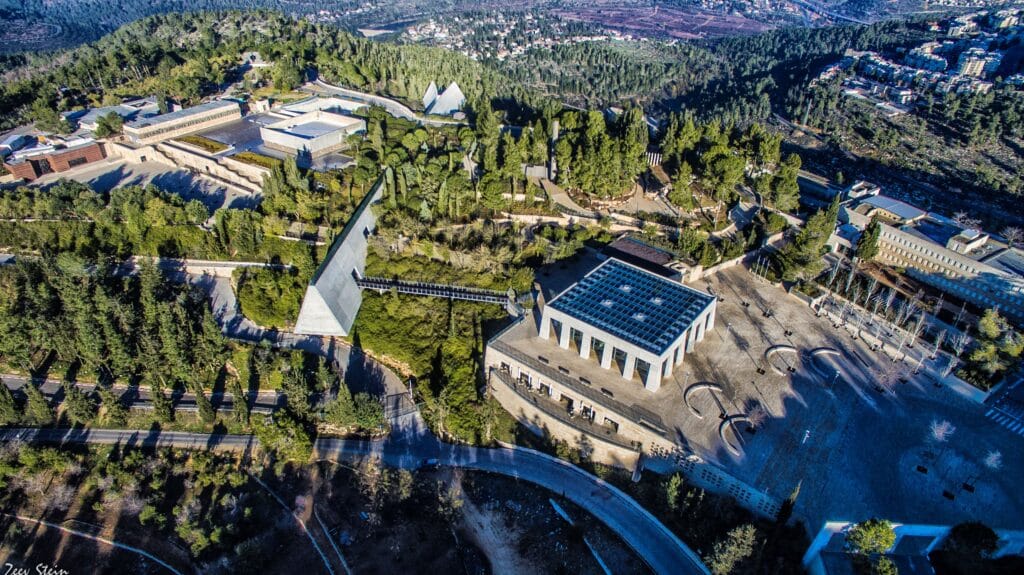
Upon arrival at Yad Vashem, visitors are met with an architecture and landscape designed to evoke solemnity and reflection even before entering the main exhibition spaces. The approach to the museum is thoughtfully integrated into the natural surroundings of Mount Herzl, a site itself imbued with historical and cultural resonance in Jerusalem. The entry area provides a moment of quiet anticipation, subtly preparing visitors for the emotional and intellectual journey ahead. Outside, the Hall of Remembrance and the Children’s Memorial are prominent features close to the entrance, their design minimalist yet powerful, encouraging contemplation and respect. The museum complex also includes the Avenue of the Righteous Among the Nations, a shaded avenue lined with trees dedicated to non-Jews who risked their lives to save Jews during the Holocaust, reinforcing the themes of humanity and moral courage. The exterior spaces are both contemplative and symbolic, setting a tone that is grave but hopeful.
Highlights and Key Exhibitions
The core of Yad Vashem’s exhibition is its comprehensive historical portrayal of the Holocaust, which unfolds through a carefully curated sequence of galleries. These galleries guide visitors through pre-war Jewish life in Europe, the rise of Nazi power, the systematic persecution of Jews, and the horrors of ghettos, concentration camps, and extermination camps. Of particular note is the Hall of Names, a poignant repository for the identities and personal stories of millions of individuals who perished. The hall’s ceiling is lined with photographs and documents, humanizing the statistics and conveying the scale of loss through individual remembrance.
The museum also presents the Stories of the Righteous Among the Nations, highlighting profiles of those who saved Jewish lives despite grave personal danger. This narrative serves as a vital counterpoint to the overwhelming evidence of cruelty and genocide, emphasizing acts of bravery and humanitarianism.
Apart from historical artifacts and documents, the museum incorporates multimedia presentations, including survivor testimonies and historical footage, which provide immersive and emotional context. These resources help bridge the gap between past events and present-day understanding.
The Children’s Memorial deserves special mention. It is a deeply moving space dedicated to the memory of the approximately 1.5 million Jewish children who were murdered. The memorial employs light and sound in a subtle but powerful way, creating an atmosphere of silence and reverence that leaves a lasting impact on visitors.
Visitor Experience
Yad Vashem is designed to offer a respectful and educational experience that encourages personal reflection. The layout of the exhibitions flows in a narrative sequence that is accessible without feeling overly didactic, allowing visitors to engage with the profound nature of the history at their own pace. The balance of textual explanation, visual artifacts, and audio-visual media creates an environment conducive to deep understanding and emotional engagement.
The museum provides extensive educational resources, including guided tours and film screenings, which complement the self-guided experience. The staff and volunteers are knowledgeable and available to answer questions, enhancing the overall experience without intruding on the personal nature of the visit.
While the subject matter is inevitably heavy and emotionally taxing, Yad Vashem’s design successfully respects the sensitivity of the topic. The spaces dedicated to memory and reflection are thoughtfully placed to allow visitors periods of quiet after confronting intense historical material. The integration of stories of resistance and rescue also provides a nuanced perspective that adds depth to the overall narrative.
Tickets, Access, and Planning
Admission to Yad Vashem is free of charge, reflecting its mission to provide access to this history and memory for all visitors. Given its importance and international profile, the museum can attract significant numbers, especially during peak tourist seasons and commemorative dates, so advance planning is advisable.
The museum is open daily except on certain Israeli national holidays. Visitors are encouraged to check official schedules and hours prior to planning a visit, as these can vary.
Yad Vashem is accessible to people with disabilities, offering ramps and elevators to ensure that the exhibitions and facilities are inclusive. There are also accommodations for visitors with hearing and visual impairments. The site’s layout on a hillside can involve some walking uphill, so visitors should be prepared for some degree of physical exertion or can make use of shuttle services available on site.
Provisions for families, including audio guides tailored for younger audiences and spaces to rest, help ensure that the visit can be educational and manageable for a range of visitors.
Final Verdict
Yad Vashem stands as a paramount institution of memory and education, successfully balancing the gravity of its subject matter with thoughtful presentation and design. It is uncompromising in its commitment to presenting the facts and stories of the Holocaust while honoring the victims and survivors with dignity and respect. The museum excels in providing a deeply moving and enlightening experience, encouraging visitors not only to remember but also to reflect on the broader lessons of tolerance, humanity, and vigilance against hatred.
While emotional challenges are an inherent part of any visit to Yad Vashem, the institution’s careful curation, paired with its educational resources, ensures that visitors leave with a comprehensive understanding of the Holocaust’s historical context alongside a sense of hope drawn from stories of courage and resistance.
For anyone seeking a profound encounter with one of the most critical chapters of modern history, Yad Vashem is an essential destination. It offers not merely an exhibition, but a solemn journey through memory—one that resonates far beyond its walls.