
Munch Museum Review
Historical Context
The Munch Museum in Oslo, Norway, stands as a dedicated institution celebrating the life and work of Edvard Munch, one of the most influential figures in modern art. Born in 1863, Munch’s evocative and often haunting explorations of human emotion have secured his legacy as a pioneer in expressionism. The museum was initially founded in 1963, coinciding with the centenary of Munch’s birth, with the objective of preserving his vast collection of artworks, sketches, prints, and personal artifacts. Munch’s work has had an enduring impact on both Norwegian cultural heritage and international art discourse, making the museum a critical site for understanding not only the artist’s development but also the trajectory of early modernism. Relocating to a new, purpose-built venue in recent years, the museum now occupies a striking contemporary building that integrates seamlessly into the Oslo harbor landscape. It functions as a dynamic cultural hub that aims to broaden the conversation about Munch’s relevance in today’s world, presenting his art in contexts that invite reflection on themes of identity, anxiety, and the human condition.
What You See on Arrival
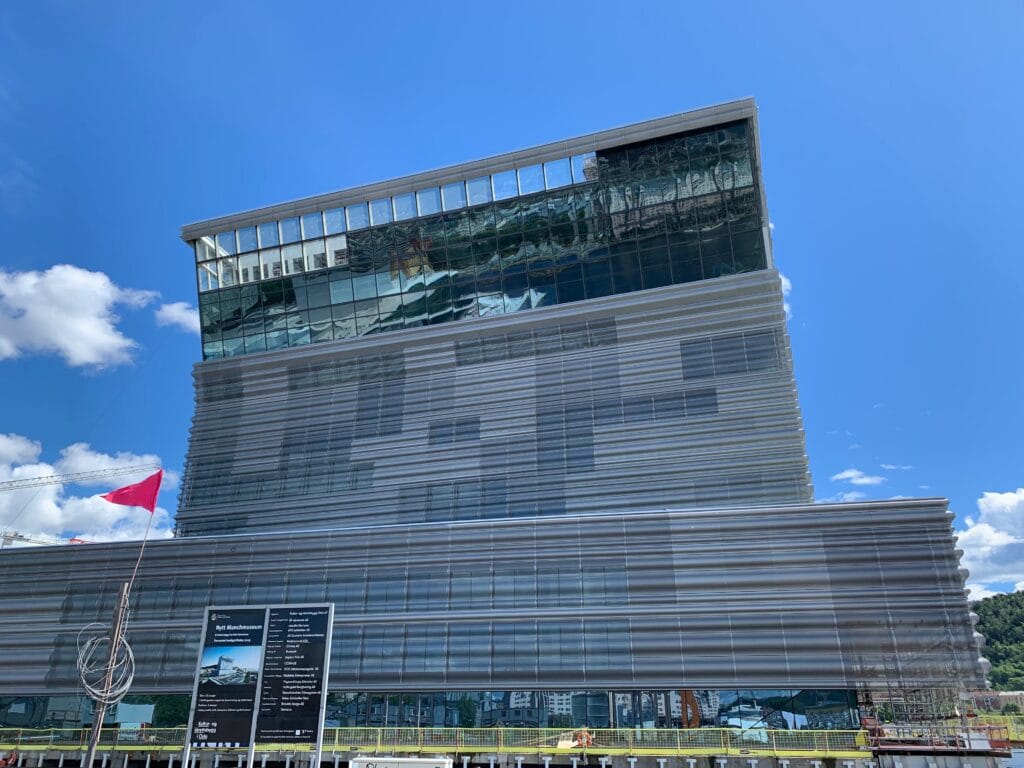
Arriving at the Munch Museum, visitors are greeted by a bold architectural statement. The museum’s design is characterized by clean lines and a façade that blends glass and metal, offering panoramic views of the Oslofjord and the surrounding urban environment. This coastal positioning contributes to a sense of openness and connection with nature, elements often reflected in Munch’s work. The entrance plaza is spacious and thoughtfully configured to provide clear signage and an unencumbered flow for groups and individuals alike. Upon entering, visitors encounter a luminous lobby with minimalist decor that directs attention toward the art itself. The museum’s layout is intuitive, encouraging an organic progression through galleries. The initial impression is one of calmness and modernity, establishing a contemplative atmosphere that prepares guests for an in-depth engagement with Munch’s oeuvre.
Highlights and Key Exhibitions
Central to the Munch Museum’s collection are several of the artist’s most iconic paintings, including various renditions of “The Scream,” arguably Munch’s best-known work. These pieces are displayed with careful consideration for lighting and space, allowing viewers to engage deeply with the emotional intensity of the compositions. The museum’s holdings extend beyond paintings to include extensive collections of lithographs, watercolors, and sketches that reveal Munch’s creative process. One of the key strengths of the museum is the balance it strikes between showcasing Munch’s masterpieces and offering insight into lesser-known aspects of his career, such as his printmaking innovations and thematic explorations of love, death, and existential angst. The curatorial approach often presents Munch’s art in thematic or chronological order, enabling a nuanced understanding of his shifting styles and ideas over time. The museum further contextualizes his work through multimedia installations and interpretive materials that elucidate the social and psychological underpinnings of his art. Additionally, the museum houses rotating exhibitions that position Munch’s legacy alongside contemporary artists, although these are not permanent fixtures and vary over time.
Visitor Experience
The visitor experience at the Munch Museum is thoughtfully designed to cater to a wide range of audiences, from seasoned art enthusiasts to those encountering Munch’s work for the first time. The galleries are spacious and uncluttered, promoting an immersive environment where visitors can spend time with each piece without distraction. Audio guides are available and provide informative commentary that enhances understanding without overwhelming. For educational purposes, the museum offers material suitable for younger audiences and those with limited prior knowledge of Munch. Signage throughout the museum uses accessible language to explain the significance of artworks and situate them within broader cultural narratives. Additionally, the museum’s café and shop complement the visit, featuring products inspired by Munch’s imagery and themes. The staff's professionalism and helpfulness contribute to a welcoming environment, and the museum's design places an emphasis on natural light and views that encourage moments of reflection. That said, the museum can be busy during peak tourist seasons, which may affect the quietude sought by some visitors.
Tickets, Access, and Planning
Tickets to the Munch Museum are reasonably priced, considering the breadth of the collection and the quality of the facilities. Various categories of admission are offered, including reduced rates for students, seniors, and groups, as well as options for city card holders that include museum entry. Purchasing tickets online in advance is highly recommended, especially during high visitor periods, to avoid long queues. The museum is accessible via public transportation, with frequent bus and tram connections from central Oslo; it is also within walking distance from the city center for those who prefer a scenic stroll. For visitors driving, parking options nearby are available, but they may be limited during busy times. The museum is equipped with facilities for visitors with mobility impairments, including ramps, elevators, and adapted restrooms, ensuring that all guests can enjoy the collection comfortably. Opening hours are generally consistent, but checking the official website for any changes or special closures is advisable when planning a visit.
Final Verdict
The Munch Museum in Oslo is a comprehensive and thoughtfully curated institution that offers a deep dive into the life and art of one of Norway’s most celebrated cultural figures. Its modern architectural presence by the Oslofjord enhances the experience, framing Munch’s emotional and innovative work within a space dedicated to introspection and dialogue. While the museum excels in presenting both celebrated and obscure elements of Munch’s career through well-organized collections and interpretative tools, potential visitors should be aware of peak timing to secure the most tranquil experience. The museum’s commitment to accessibility and educational outreach further broadens its appeal. Overall, the Munch Museum stands as a compelling destination not only for lovers of Norwegian art but for anyone interested in the exploration of human psyche and artistic expression. It remains a vital cultural landmark, inviting visitors to engage with timeless themes of anxiety, longing, and mortality that continue to resonate across generations.
Explore Museum Tickets & Tours
Hand-picked tickets, tours, and cultural experiences that fit naturally into the guide.


