Palace Museum
Palace Museums · Beijing, China. The Palace Museum, located in the heart of Beijing, China, stands as one of the most significant cultural landmarks of the nation. Housed within the historic Forbidden City, it is a remarkable imperial palace…

Best forArchitecture, royal history, heritage
Setting / nearbyThe heart of Beijing, China, stands as one of the most significant cultural landmarks of t
Overview
The Palace Museum, located in the heart of Beijing, China, stands as one of the most significant cultural landmarks of the nation. Housed within the historic Forbidden City, it is a remarkable imperial palace museum that offers visitors an unparalleled glimpse into China's rich history and artistic heritage. The museum not only preserves the architectural splendor of a former imperial residence but also serves as a vast repository of Chinese art, artifacts, and treasures accumulated over centuries. As a cultural institution, it provides a unique window into the lives of emperors and the grandeur of China's dynastic past, making it a must-visit destination for those interested in history, art, and traditional Chinese culture.
Collection Highlights
The Palace Museum's collection is vast and diverse, encompassing over a million artifacts that span various periods of Chinese history. Among its most celebrated holdings are exquisite examples of traditional Chinese paintings, calligraphy, ceramics, jade, textiles, and bronzeware. Visitors can explore a rich array of imperial treasures, including intricately carved furniture, elaborate decorative items, and ceremonial objects once used by emperors and court officials.
One of the collection's standout features is the exceptional display of Ming and Qing dynasty artworks. The museum also houses significant collections of Buddhist art and historical documents that provide insights into China's religious and political history. Many pieces have been carefully preserved and restored, testifying to the sophisticated craftsmanship and artistic innovation of past centuries.
The museum’s galleries are thoughtfully arranged to allow visitors to follow a chronological and thematic journey through Chinese history. This carefully curated presentation not only highlights the artistic achievements of different dynasties but also contextualizes the cultural and historical significance of each piece, enriching the visitor experience with depth and clarity.
Building and Setting
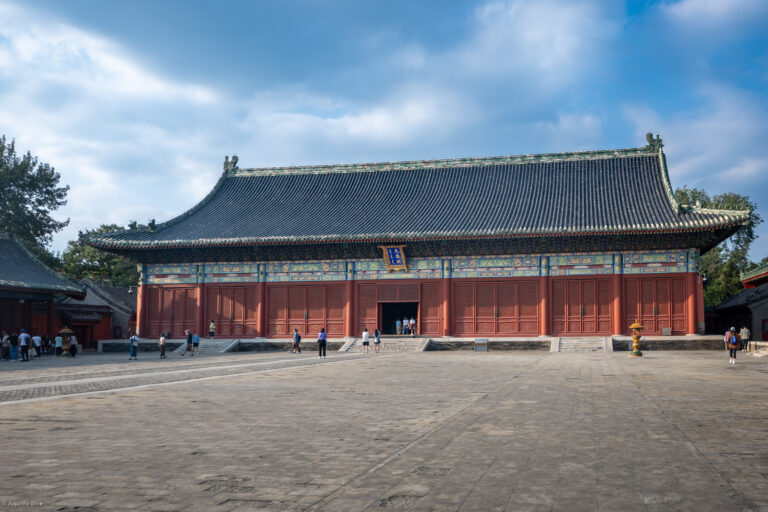
The Palace Museum is itself a monumental work of art and history. It occupies the Forbidden City, an extensive imperial palace complex that served as the political and ceremonial center of Chinese emperors for nearly 500 years, from the Ming dynasty until the end of the Qing dynasty in the early 20th century. The architecture exemplifies traditional Chinese palatial design, noted for its grand scale, symmetry, and symbolic use of colors and motifs.
The Forbidden City is surrounded by a large defensive wall and a moat, creating a sense of enclosure and exclusivity that reflected the imperial authority once concentrated within. The museum grounds include over 980 buildings, with lavishly decorated halls, pavilions, and courtyards that showcase exquisite woodwork, detailed tile work, and ornate architectural elements. Each space within the complex holds historical importance and was designed to fulfill specific functions related to governance, ritual, or daily palace life.
Located centrally in Beijing, the Palace Museum is set within a bustling urban environment, yet its expansive grounds and traditional landscaping create a distinct and tranquil atmosphere that offers visitors a chance to step back in time. The setting not only enhances the sense of awe inspired by the structures and collections but also provides numerous photographic and contemplative opportunities.
Practical Information
The Palace Museum is one of the most visited museums in the world, and planning a visit requires some preparation. It is advisable for prospective visitors to check current hours of operation and ticketing details before arrival, as these can vary seasonally or due to special events and conservation efforts. Tickets are often available online, and booking in advance is recommended to secure entry, especially during peak tourist seasons.
The museum is accessible by various modes of public transportation, and signage in multiple languages helps guide international visitors through its extensive grounds. Given the scale of the complex, visitors should allow several hours to explore both the buildings and the exhibition halls thoroughly. Comfortable footwear is highly recommended due to the extensive walking involved.
Guided tours and audio guides can enhance the experience by providing historical context and explanations of the museum’s most significant exhibits. There are also facilities such as cafes and souvenir shops within or near the museum grounds, offering opportunities to rest and reflect after extensive exploration.
Visitors should also be aware of museum policies regarding photography, food and drink, and security screening to ensure a smooth visit. For the most up-to-date information, the official website of the Palace Museum provides comprehensive details and updates regarding visitor services and any temporary closures or special exhibitions.
Why Visit
Visiting the Palace Museum offers a profound opportunity to connect with Chinese history and culture at a foundational level. As an imperial palace museum, it uniquely combines architectural grandeur with an extraordinary collection that collectively narrate centuries of China’s imperial past. The museum’s comprehensive preservation of artifacts and spaces invites reflection on themes of power, art, and tradition that have shaped one of the world's oldest continuous civilizations.
Beyond its historical importance, the Palace Museum serves as a vibrant cultural hub where visitors can experience the aesthetic sophistication of ancient Chinese craftsmanship and artistic disciplines. The museum’s exhibitions provide insights not only into the lifestyles of emperors and the elite but also into the broader cultural currents that influenced and were influenced by imperial China.
For travelers to Beijing, the Palace Museum is more than a museum; it is a cultural journey into a world of imperial splendor and artistic achievement. The sense of history that permeates the walls, halls, and courtyards encourages a deeper appreciation for the enduring legacy of China’s dynasties. Whether one is interested in art, history, architecture, or simply the experience of walking through a historic icon of world culture, the Palace Museum offers an unforgettable and enriching encounter.