Classic Cars International Museum Review
Automobile Museums · Salt Lake City, United States. The Classic Cars International Museum in Salt Lake City, United States, occupies a unique position in the realm of automotive museums. Established to celebrate the rich heritage and cultural significance of classic automobiles,…
Automobile Museums · Salt Lake City, United States. The Classic Cars International Museum in Salt Lake City, United States, occupies a unique position in the realm of automotive museums. Established to celebrate the rich heritage and cultural significance of classic automobiles,…
Best forScience, technology, hands-on learning
Review focusVehicle collections, design history, and visitor planning
Historical Context
The Classic Cars International Museum in Salt Lake City, United States, occupies a unique position in the realm of automotive museums. Established to celebrate the rich heritage and cultural significance of classic automobiles, the museum serves as a repository of vehicular history spanning multiple decades. The rise of the automobile in the 20th century undeniably revolutionized transportation, industry, and design, and this museum encapsulates these transformative shifts through its curated collection. Located in a city known for both its cultural depth and growing urban modernity, the museum acts as a bridge between past and present, preserving the elegance and innovation of automotive engineering. Salt Lake City’s historical embrace of car culture and its role in the American West’s development add further layers to the experience provided here. While the museum does not solely focus on American cars, the emphasis on vehicles that shaped international markets and automotive trends lends it a broad appeal for enthusiasts of the genre worldwide.
What You See on Arrival
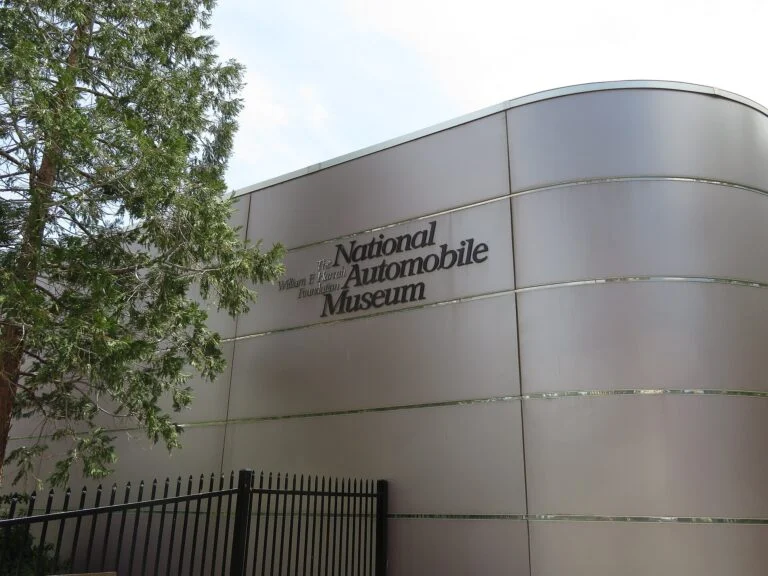
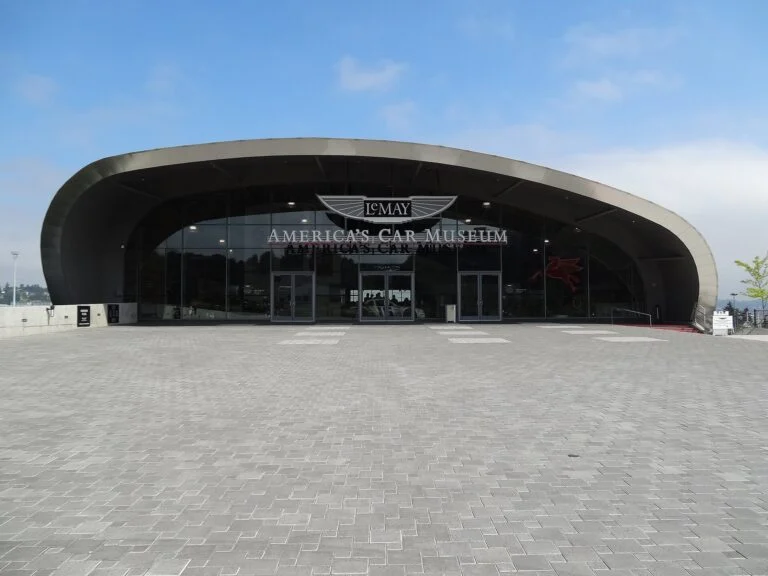
Approaching the Classic Cars International Museum, visitors are immediately greeted by the sight of a stately, well-maintained facility that blends modern architectural sensibilities with a nod to the eras represented inside. The exterior façade's polished aesthetic offers subtle hints of the elegance that awaits within. The museum’s entrance opens into a grand lobby that acts as a prelude to the exhibition spaces. Here, large display windows and promotional materials offer a glimpse of the classic vehicles and thematic exhibitions featured in the galleries. The layout is intuitive, guiding visitors smoothly from one section to another while maintaining a relaxed atmosphere perfect for exploration. The immediate visual impact comes from a carefully arranged showcase of renowned models, providing a snapshot of the diversity and craftsmanship of the cars housed in the museum. Thoughtfully positioned seating encourages guests to pause and soak in the ambiance before embarking on their tour.
Highlights and Key Exhibitions
This museum’s strength lies in its diverse yet meticulously curated collection that covers a broad spectrum of automotive history. The exhibition spaces are carefully designed to highlight both technological innovation and aesthetic appeal. Among the standout pieces are several impeccably restored vehicles dating back to the early 1900s, which demonstrate the genesis of automotive design. These include seminal models that illustrate pivotal moments like the transition from horse-drawn carriages to motorized travel.
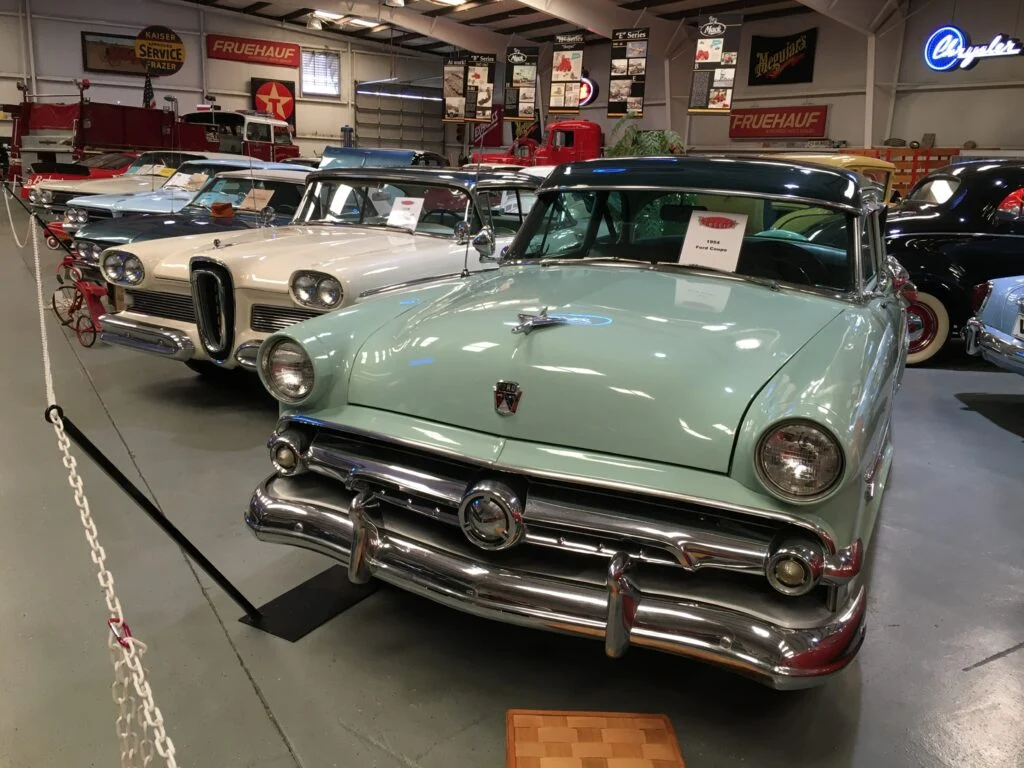
A key focus lies on the mid-century era, showcasing American muscle cars and European luxury vehicles that echo a time when automobile manufacturing was both a technical and cultural phenomenon. The museum avoids a purely chronological approach and instead organizes cars thematically, allowing visitors to appreciate developments in engineering, design trends, and regional differences. An emphasis on international contributions provides a global perspective, highlighting influential makes from Germany, Italy, and Japan alongside American icons.
Supplementary exhibits delve into the history of automotive advertising, racing, and industrial design innovations, bolstering the narrative and enhancing understanding of the cars’ contexts. Rotating exhibits occasionally bring additional depth, though the permanent collection remains the primary draw. The careful conservation and presentation contribute significantly to an authentic atmosphere.
Visitor Experience
The Classic Cars International Museum is designed to offer a visitor experience that is both educational and entertaining. Signage throughout the galleries is informative without overwhelming, striking a careful balance that caters to aficionados and casual visitors alike. The textual elements provide context concerning the vehicles’ history, specifications, and cultural impact, complemented by high-quality photographs and videos available in select sections.
Guided tours are available and are highly recommended for those looking to deepen their knowledge, as knowledgeable guides can elaborate on technical details and interesting anecdotes surrounding individual exhibits. Interactive elements, though limited, are thoughtfully integrated, including multimedia stations that engage visitors with the evolution of automotive technology.
The museum’s ambiance is enhanced by gentle background music and the strategic use of lighting, which not only highlights the vehicles’ contours but also evokes the eras they represent. Comfortable seating areas placed throughout the galleries invite visitors to rest and reflect. Amenities such as a café and a gift shop curated to offer automotive-themed merchandise and literature add to a well-rounded experience.
Tickets, Access, and Planning
Planning a visit to the Classic Cars International Museum is straightforward. The museum offers a range of ticket options including general admission, group tickets, and discounted rates for seniors, students, and children. While the museum is family-friendly, some exhibits may attract particular interest from adult enthusiasts. Advance ticket purchase is advised, especially on weekends and holidays to avoid disappointment, though walk-in visitors are usually accommodated.
Accessibility is a key consideration, with the facility fully compliant with the Americans with Disabilities Act (ADA). Wheelchair access is available throughout, and the museum staff is trained to assist visitors with mobility challenges. Parking facilities are ample, with dedicated spaces for visitors with disabilities positioned close to the entrance. Public transportation options to the museum’s location are reasonable, though private car use remains the most convenient means of arrival.
Operating hours are generous, accommodating both early visits and late afternoon experiences, with attention paid to allowing ample time for visitors to explore at a comfortable pace. Photography is permitted in most areas without flash, encouraging visitors to capture their favorite details. Food and drink restrictions inside the galleries are enforced to preserve the exhibits, though the on-site café provides a suitable space for refreshments.
Final Verdict
The Classic Cars International Museum in Salt Lake City offers an enriching exploration of automotive history that is both comprehensive and accessible. Its curated collection achieves a thoughtful balance between celebrating engineering milestones and appreciating the artistic flair of classic car designs. The museum’s global perspective on vehicle history distinguishes it from more nationally centered institutions, broadening the scope for visitors seeking a wider understanding of automotive development.
While it may not feature the immersive interactivity or technology-driven exhibits seen in some newer institutions, this museum’s focus on authenticity and preservation provides a satisfying and genuine experience for classic car enthusiasts and curious learners alike. The professional presentation, combined with attentive visitor services and a welcoming atmosphere, makes it an appealing destination for locals and tourists.
In summary, the Classic Cars International Museum stands as a notable cultural and educational establishment within the American museum landscape. It succeeds in honoring the enduring allure of classic automobiles and their impact on global society. Those with an interest in motorsport history, design innovation, or mid-20th century culture will find much to admire here, making it a worthy addition to any Salt Lake City itinerary.