Mississippi River Museum Review
History Museums · Memphis, United States. The Mississippi River Museum, located in Memphis, United States, is dedicated to chronicling the rich and complex history of the Mississippi River and its profound influence on the surrounding region. The river has served…
History Museums · Memphis, United States. The Mississippi River Museum, located in Memphis, United States, is dedicated to chronicling the rich and complex history of the Mississippi River and its profound influence on the surrounding region. The river has served…
Best forScience, technology, hands-on learning
Review focusHistorical collections, local context, and visitor planning
Historical Context
The Mississippi River Museum, located in Memphis, United States, is dedicated to chronicling the rich and complex history of the Mississippi River and its profound influence on the surrounding region. The river has served as a vital artery for commerce, transportation, and cultural exchange for centuries, shaping the economic and social development of the American South. The museum offers insight into this dynamic history, covering topics such as the river’s role in early Native American civilizations, the expansion of the steamboat era, the impact of the cotton industry, and the river’s significance in the Civil War. It also addresses environmental and ecological aspects, tracing the efforts to manage and preserve one of the continent’s most iconic waterways. Positioned within Memphis—a city deeply intertwined with the river—the museum provides a comprehensive narrative on how the Mississippi has influenced not only commerce and industry but also the music, culture, and daily life of the region’s inhabitants.
What You See on Arrival
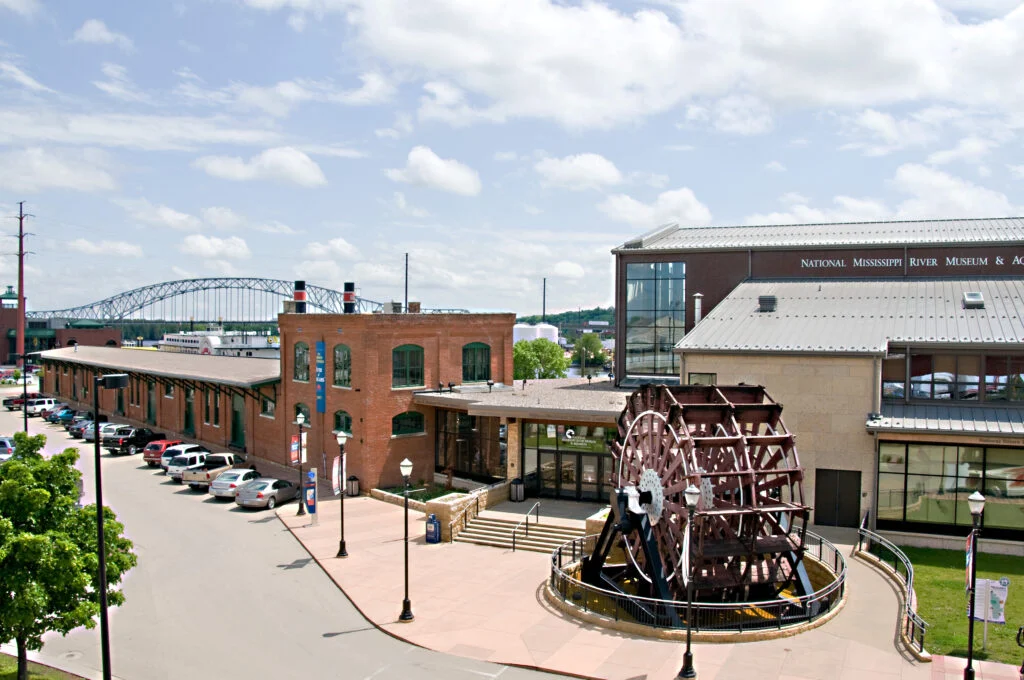
Visitors approaching the Mississippi River Museum are greeted by a stately building that blends historic charm with functional design. The exterior reflects the region’s architectural heritage, setting the tone for the journey inside. The entrance is spacious and welcoming, featuring clear signage that directs visitors to ticketing, information desks, and the main exhibition areas. Immediately visible is a waterfront view that serves as a powerful visual reminder of the river’s continuing presence and significance. Inside, the lobby is tastefully appointed with informational displays, introductory panels, and interactive kiosks that provide an overview of the museum’s themes. The ambiance balances a reverence for history with an engaging, accessible atmosphere, making the museum approachable to a wide variety of visitors. The overall first impression is one of a well-organized institution committed to education and preservation.
Highlights and Key Exhibitions
The Mississippi River Museum offers a carefully curated selection of permanent exhibitions that delve into the multifaceted story of the river. One of the standout features is the steamboat gallery, which houses detailed models and artifacts that illustrate the technological advancements and cultural impact of steamboat navigation in the 19th century. Another major highlight is the river ecology section, which presents a comprehensive look at the natural environment of the Mississippi, including its diverse wildlife and the challenges posed by pollution and habitat loss.
The museum also excels in its presentation of the river's economic role. Exhibits explore the cotton trade, commercial shipping, and how the river served as a critical transportation corridor that connected rural areas to global markets. Historical documents, photographs, and multimedia presentations enrich this narrative, helping visitors grasp the human stories behind the economic data.
A significant aspect of the museum's narrative includes its coverage of the social and cultural history of the region. It touches on the indigenous communities who first inhabited the riverbanks, the impact of slavery and migration, and the cultural blending evident in the music and art along the river. While the museum’s permanent collection is comprehensive, it avoids overwhelming the visitor with excessive detail, instead offering well-structured content that encourages further exploration.
Visitor Experience
Careful attention has been given to the visitor experience at the Mississippi River Museum. The layout is intuitive, with clearly marked pathways that guide visitors through a chronological and thematic journey. Interpretive signage is informative yet accessible, striking a balance between scholarly depth and general education. Interactive elements, including touchscreens and augmented reality components, serve to enhance engagement without detracting from the solemn and reflective moments offered by certain displays.
The museum staff, according to visitor feedback available through secondary sources, appear professional and knowledgeable, ready to assist with questions or provide additional context. Facilities such as rest areas, a café, and gift shop contribute to a comfortable visit, accommodating families, students, and specialists alike.
One limitation noted is the relative quietness in terms of crowd activity, which may be a positive or negative depending on visitor preferences. For those seeking a serene environment to absorb the historical narratives, this is ideal. However, some may find the pace somewhat slow if looking for more dynamic or interactive programming.
Tickets, Access, and Planning
The Mississippi River Museum operates with a straightforward ticketing system. Entrance fees are reasonable, with discounts available for seniors, children, students, and groups. Entry for children under a certain age is commonly free, encouraging family visits and educational outings. Advance online ticket purchase is available through the official website, http://www.mudisland.com/c-3-mississippi-river-museum.aspx, which allows for easy planning and guarantees entry during busier periods.
The museum is easily accessible by various modes of transportation. It offers ample parking and is serviced by local public transit options, making it convenient for both local residents and tourists. Accessibility features are well-implemented, including wheelchair ramps, elevators, and accessible restrooms, ensuring that visitors with mobility challenges can navigate the museum comfortably.
Opening hours are generally generous, though it is advisable to check the official website for any seasonal changes or special closures. The museum’s location near the riverfront also allows visitors to combine their visit with other Memphis attractions, offering opportunities for a fuller cultural experience.
Final Verdict
The Mississippi River Museum in Memphis provides a rich, well-rounded exploration of one of America’s most historically significant waterways. It manages to balance educational depth with accessibility, making it suitable for both casual visitors and history enthusiasts. The strength of the museum lies in its comprehensive coverage of the river’s multifaceted history—touching upon environmental, economic, cultural, and social elements in a coherent and inviting manner.
While the museum’s permanent exhibitions are thoughtfully curated and informative, the absence of more frequent temporary exhibitions may leave those seeking new or specialized content wanting more. Nonetheless, the overall experience is enhanced by attentive staff, accessible facilities, and the riverside setting that reinforces the museum's themes.
For anyone interested in understanding the Mississippi River’s enduring impact on American history and culture, this museum represents a valuable and rewarding destination in Memphis. Its commitment to preserving the river’s legacy while engaging a broad audience ensures it holds a significant place among regional heritage institutions.