Jorvik Viking Centre Review
Archaeology Museums · York, United Kingdom. The Jorvik Viking Centre in York, United Kingdom, stands as a remarkable testament to the city's rich Viking heritage. York, known as Jorvik during the Viking Age, was a vital urban hub from the…
Archaeology Museums · York, United Kingdom. The Jorvik Viking Centre in York, United Kingdom, stands as a remarkable testament to the city's rich Viking heritage. York, known as Jorvik during the Viking Age, was a vital urban hub from the…
Best forAncient history, archaeology, cultural heritage
Review focusArchaeological collections, context, and visitor planning
Historical Context
The Jorvik Viking Centre in York, United Kingdom, stands as a remarkable testament to the city's rich Viking heritage. York, known as Jorvik during the Viking Age, was a vital urban hub from the late 9th century to the early 11th century when the Vikings held sway over large parts of northern England. The museum's foundation rests on the archaeological discoveries unearthed during excavations in the Coppergate area in the late 20th century, which revealed well-preserved remnants of Viking life, including homes, workshops, tools, and personal belongings. By focusing on the everyday experiences of the Vikings who settled in Jorvik, the centre offers a compelling narrative that bridges the gap between myth and history. The cultural influences, trading networks, and craftsmanship of the Viking era are pivotal themes throughout the exhibitions, providing visitors with a nuanced understanding of the impact these Norse settlers had on medieval Britain. The Jorvik Viking Centre also occupies an important space within the broader context of Viking studies, reflecting evolving archaeological methods and interpretations.
What You See on Arrival
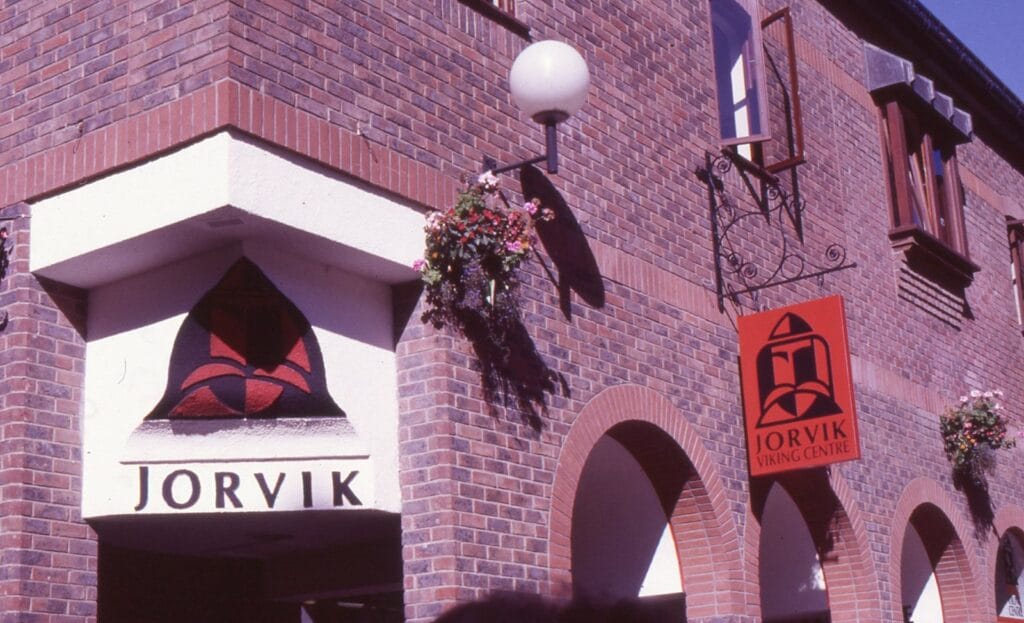
Upon arriving in York’s historic city centre, the Jorvik Viking Centre’s location is immediately accessible and centrally positioned near other key attractions, reflecting York’s layered history. The entrance is marked by distinctive Viking-inspired motifs and displays that evoke the era before visitors even step inside. The building itself integrates modern architectural elements with elements that suggest traditional Norse design, helping to set the tone for what lies within. Outside, visitors encounter informative panels that provide introductory context about Jorvik and the significance of the Viking occupation. The area around the centre is vibrant and pedestrian-friendly, often bustling with tourists and locals alike. On the exterior, there is an emphasis on engaging passersby through visible artifacts and signage that hint at the immersive experience inside. The juxtaposition of the contemporary cityscape with the ancient past prepares visitors for the journey through time the museum promises.
Highlights and Key Exhibitions
The museum’s core strength lies in its immersive exhibition that vividly reconstructs the Viking Age urban environment. The centre’s carefully crafted reconstructions of streetscapes and domestic interiors allow visitors to gain an intimate glimpse into daily life during Jorvik’s heyday. Notable highlights include the replicated Viking houses, complete with authentic tools, textiles, and household items, which provide insight into social structures, trade, and craftsmanship. The sensory elements, such as sounds of bustling marketplaces and ambient smells, contribute to an engaging atmosphere that transcends the typical museum experience.
Among the more detailed displays are the exhibitions focusing on Viking metallurgy, leather working, and coin minting, each revealing the high level of skill and economic activity that thrived in Jorvik. These exhibits also explore trade networks extending across Europe and beyond, underscoring the Vikings’ extensive reach and influence. Artifacts uncovered during the original archaeological digs, including weapons, jewelry, and everyday utensils, are thoughtfully displayed with contextual information, bridging the gap between object and story.
Narratives exploring the social and cultural integration between Vikings and native populations emerge throughout the exhibit, highlighting themes of identity, adaptation, and cultural exchange. This approach moves beyond stereotypical images of the Vikings as merely warriors, offering a more balanced and complex portrayal. Additionally, the centre provides nuanced commentary on Viking burial practices, religious beliefs, and the eventual decline of their influence in the region.
Visitor Experience
The Jorvik Viking Centre has long been praised for its ability to engage visitors of diverse ages and backgrounds through an immersive and multi-sensory approach. This engagement is achieved through a combination of dynamic storytelling, soundscapes, and visual effects that integrate seamlessly with the physical reconstructions. The carefully calibrated use of lighting enhances the authenticity of each exhibit space, fostering a believable environment that encourages exploration and reflection.
Interactive elements are incorporated throughout the museum, appealing particularly to younger visitors and families, while still maintaining academic rigor. Audio guides and printed materials support visitors who desire deeper insights, making the experience accessible for those with varied levels of familiarity with Viking history. There is also a clear educational ethos underpinning the centre, with displays designed to provoke curiosity and critical thinking.
However, the museum’s popularity can sometimes lead to high visitor volumes, which may affect the level of intimacy and comfort in the more confined exhibition spaces. The immersive ride experience, one of the centre’s signature features, provides a popular highlight but can be challenging for those prone to motion sensitivity or discomfort with enclosed, dark environments. Clear advisories are typically available to prepare visitors for this aspect.
The museum shop and café contribute additional layers to the visit, offering Viking-themed merchandise and refreshments in a setting that continues the historical ambiance. The centre’s staff are generally well-informed and welcoming, adding value through their readiness to answer questions and facilitate an engaging visit.
Tickets, Access, and Planning
Ticketing for the Jorvik Viking Centre is straightforward, with options for online purchase, which is advisable during peak tourist seasons to avoid long queues. Various ticket categories are available, including concessions for children, seniors, and groups, making the centre affordable and accessible to a broad audience. Combination tickets that include entry to nearby attractions such as York Castle Museum can also be purchased, offering convenient packaged deals.
The centre is committed to accessibility, with measures in place to accommodate visitors with disabilities. Wheelchair access is available, and mobility aids can be used within much of the exhibition space. Some areas, especially the immersive ride, may have restrictions or require advance notice. The centre recommends consulting visitor information in advance to identify any specific needs or limitations.
Public transport options to York city centre are well-developed, and the Jorvik Viking Centre is within easy walking distance from the main railway station, making it accessible for visitors arriving by train. Ample signage directs visitors from key points in the city, and there is nearby parking for those traveling by car, though spaces can be limited during busy periods.
The official website provides comprehensive visitor information, including opening hours, current advisories, and detailed guidance on planning a visit. It is also frequently updated to reflect any changes in operation or health and safety policies, which is particularly important in uncertain times.
Final Verdict
The Jorvik Viking Centre is a landmark institution that offers a richly textured exploration of Viking life in one of England’s most historically significant cities. Its immersive recreation of the Viking world stands out as a pioneering example of how archaeology and storytelling can be woven together to create an educational experience that is both captivating and instructive. By focusing on the quotidian realities of Jorvik’s inhabitants, the centre dispels common myths and presents a nuanced and engaging narrative that appeals to both casual visitors and serious students of history.
The balance struck between entertainment and education is commendable, with thoughtful exhibition design, high-quality reconstructions, and well-preserved artifacts complementing the use of sensory effects and interactive components. While the popularity of the museum can result in crowded conditions at times, the overall visitor experience remains positive thanks to attentive staff and well-planned logistics.
Accessibility and planning information are well communicated, ensuring that visitors can prepare properly and make the most of their visit. Its central location in York also means that the centre is easily combined with other heritage visits, making it a key highlight in any itinerary focused on medieval or Viking-era Britain.
In conclusion, the Jorvik Viking Centre is a must-see for those interested in the Viking Age and the development of urban life in early medieval England. Its combination of scholarly research, immersive storytelling, and engaging presentation has earned it a lasting reputation as one of the foremost Viking museums in the world. Whether for education, curiosity, or cultural enrichment, it promises an experience that lingers well beyond the visit itself.