Wyoming Territorial Prison State Historic Site Review
Tickets & Tours
Compare ticket options and guided tours from trusted booking partners.
We may earn a commission if you book through these links.
Historical Context
The Wyoming Territorial Prison State Historic Site stands as a significant symbol of the American frontier's turbulent past and the evolution of law enforcement in the western United States. Established in the early 1870s, the prison was initially conceived to house prisoners from Wyoming Territory, which was then a vast, sparsely populated expanse. The facility operated during a challenging era marked by frontier justice, a period when legal institutions were still being established and the rule of law was frequently contested. The prison housed a range of inmates, from petty criminals to notable outlaws, reflecting broader social and historical dynamics of the time, including the rapid development associated with railroad expansion, mining booms, and westward settlement. Its closure as a penitentiary in the early 20th century and eventual preservation as a historic site provide critical insights into the penal, social, and architectural history of the American West. Today, it offers visitors a rare opportunity to delve into an often-mythologized chapter of frontier life, where justice was hand-in-hand with hardship and isolation.
What You See on Arrival
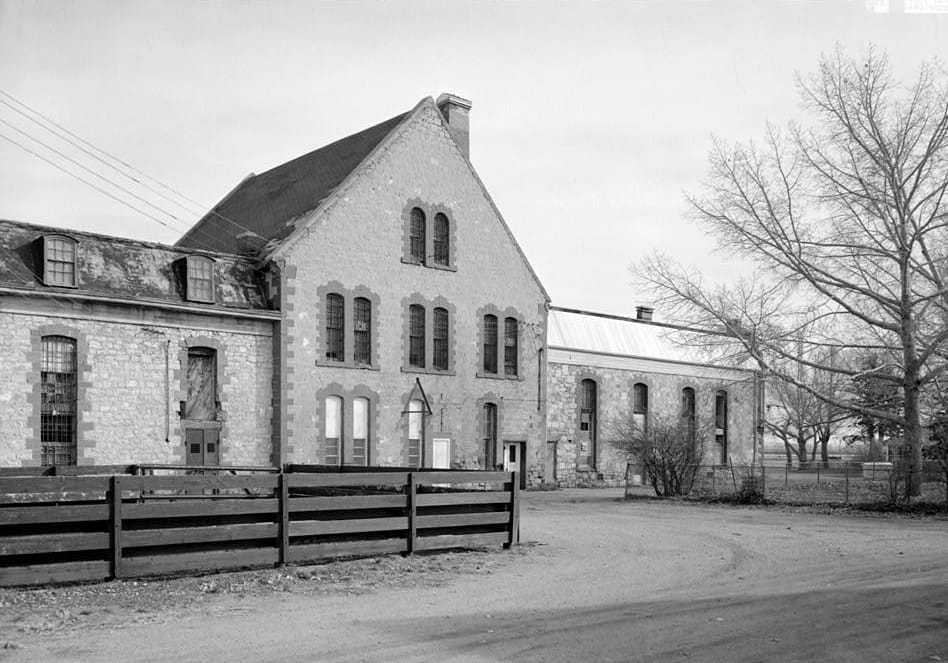
Upon approaching the Wyoming Territorial Prison State Historic Site, visitors are immediately struck by the imposing stone structure set against the striking backdrop of Laramie’s natural landscape. The building itself, a testament to 19th-century construction, maintains its austere character, with heavy barred windows and thick stone walls that communicate the prison’s original function with stark clarity. The grounds are carefully maintained, with pathways leading guests to the main entrance and interpretative areas scattered throughout. The surrounding setting, slightly elevated and overlooking the city, emphasizes the isolation and foreboding nature of the site’s original purpose. Signage and information panels at the entrance provide a succinct overview of the prison’s historical significance and operating timeline, setting the tone for the exploration within. There is a sense of solemnity and authenticity right from the outset, augmenting the anticipation to engage with the stories preserved inside.
Highlights and Key Exhibitions
One of the principal attractions of the Wyoming Territorial Prison State Historic Site is its well-preserved cell blocks. These cells provide a tangible link to the past, allowing visitors to imagine the experiences of inmates detained within these walls over a century ago. The narrow, confined spaces, iron bars, and original locking mechanisms remain intact, offering a hands-on historical atmosphere that is difficult to replicate. Another notable feature is the exhibit dedicated to the prison’s most infamous inmates, including detailed accounts of their crimes, sentences, and fates. The interpretative displays are richly illustrated with photographs, court documents, and personal stories, which help humanize the often-anonymous figures behind bars.
The museum also offers comprehensive coverage of the facility’s operational history, including its transition from a territorial prison to its eventual closure and preservation. This narrative is supported by artifacts such as uniforms, tools used in daily prison routines, and items associated with prison administration. Additionally, there is a focus on the technological and structural advancements in incarceration practices at the time, giving visitors an opportunity to reflect on the evolution of correctional philosophies.
The site does not rely heavily on modern multimedia but rather on an authentic, tactile approach to historical presentation. This approach is particularly effective for those seeking a direct connection to the material culture and lived realities of 19th-century incarceration.
Visitor Experience
The visitor experience at the Wyoming Territorial Prison State Historic Site is shaped by a blend of educational engagement and emotive reflection. The atmosphere captured within the stone walls encourages a contemplative mood, prompting visitors to consider the harshness of frontier law enforcement and the human dimension of justice in a bygone era. Guided tours are often available, enhancing the storytelling element with knowledgeable commentary that brings the exhibits to life. For those who prefer self-guided exploration, printed materials and audio guides provide sufficient context to navigate the site’s many features independently.
The layout of the prison is straightforward, making it easy for visitors to move through the various sections without feeling overwhelmed. The interpretative signage is clear, concise, and informative, though some might find the lack of interactive or multimedia elements a limitation for maintaining prolonged interest, particularly among younger visitors or those accustomed to more technologically driven museums.
Amenities on site tend to be modest but functional, including restrooms and a small gift shop offering themed souvenirs related to the prison’s history. The surrounding environment lends itself well to photography and quiet reflection, appealing to history enthusiasts and casual tourists alike.
Tickets, Access, and Planning
Admission to the Wyoming Territorial Prison State Historic Site is modestly priced, reflecting its status as a state-run historic attraction. Visitors are encouraged to check the official website for current ticketing information, opening hours, and any special events or programs that may be available. Seasonal variations in operating hours are common, especially given Wyoming’s climatic conditions, which may affect accessibility during the winter months.
Access to the site is reasonably straightforward via car from the center of Laramie, with parking available on-site. Public transportation options are limited, so private transport is typically recommended. The prison's location on a slight elevation means there are some mild inclines to navigate, but overall, pathways are maintained and suitable for visitors with reasonable mobility. Those with significant mobility challenges should consider contacting the site directly to inquire about accommodations, as some historic sections may have limitations related to accessibility.
Planning a visit to coincide with interpretative tours or educational programs can enrich the experience, lending deeper insights into the prison’s legacy. The official website serves as a valuable resource for up-to-date information, including any access advisories or recommended preparation tips.
Final Verdict
The Wyoming Territorial Prison State Historic Site offers a compelling journey into the American West’s frontier era through the lens of its penal history. With a focus on authenticity and preservation, the site succeeds in conveying the stark realities of territorial justice and incarceration without resorting to sensationalism. Its robust collection of original architecture and artifacts makes for a valuable educational experience that appeals to history buffs, students, and those intrigued by the mythos of the Old West.
However, the museum’s understated presentation style may not engage all audiences equally, particularly those seeking interactive or highly multimedia-driven exhibitions. The visitor experience leans toward sober reflection rather than entertainment, which may limit its appeal to families with younger children or casual tourists looking for a lighter excursion.
In sum, the Wyoming Territorial Prison State Historic Site stands as a noteworthy and thoughtfully curated monument to a defining aspect of Wyoming’s early history. It rewards visitors who appreciate immersive historical settings and provides a meaningful opportunity to understand the complexities of frontier justice system development. For those planning a trip to Laramie, it represents an essential stop for a deeper connection to the region’s rugged past.