
WHACK’S MUSEUM – Pitchfork
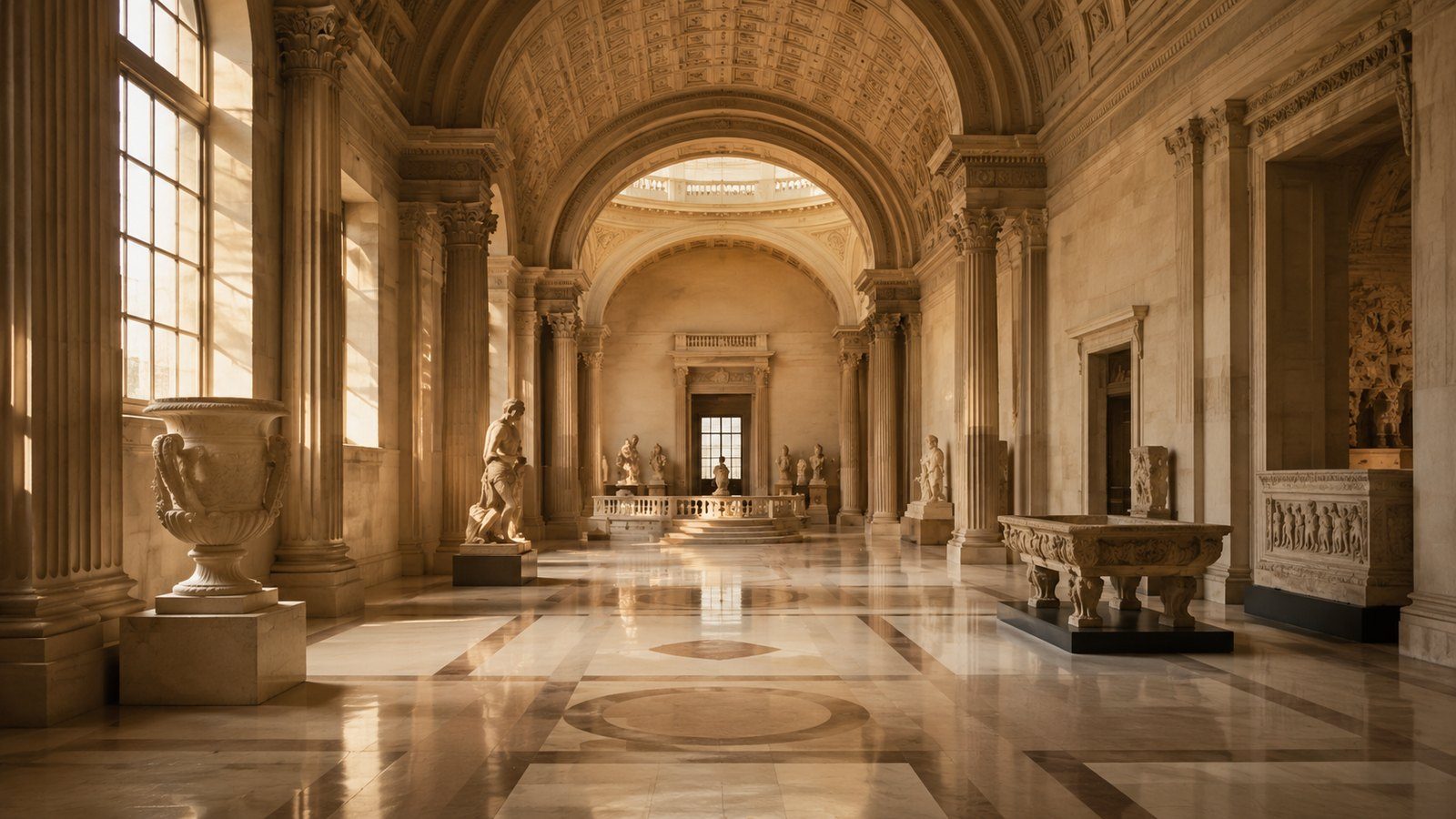
Nestled in the vibrant cityscape where contemporary culture meets bold creativity, WHACK’S MUSEUM has just opened its doors, offering an exhilarating dive into an underrepresented corner of the art world. This new institution, a fresh and unexpected addition to the ever-evolving museum scene, is dedicated to exploring the spirit and energy of the pitchfork — a commonplace tool that, in this setting, takes on an almost mythic significance.
WHACK’S MUSEUM surprises visitors immediately by how it transforms a simple agricultural implement into a symbol of cultural rebellion, artistic expression, and historical narrative. The pitchfork, usually relegated to barns and fields, is reframed here with a careful and imaginative curatorial lens. This approach offers a playful but poignant commentary on the intersections of labor, identity, and creativity. It might seem an unusual theme at first glance, but the museum’s carefully choreographed exhibitions quickly reveal that the pitchfork has been a silent but persistent figure in art and social movements across centuries.
The museum’s collection is a fascinating mix of historical artifacts, multimedia installations, and contemporary artworks that engage deeply with the object’s multifaceted symbolism. Visitors will discover pitchforks from different eras and regions, tracing their evolution as both practical tools and cultural icons. Alongside these are works by artists who have reclaimed the pitchfork as a signifier of resistance, defiance, or even humor — from rural protest imagery to avant-garde sculptures that challenge perceptions of everyday objects.
One of the museum’s standout installations is an immersive room where visitors are surrounded by projections of famous paintings and photographs that subtly incorporate pitchfork imagery, ranging from classical allegories to striking modernist compositions. The effect is at once mesmerizing and thought-provoking, encouraging a reconsideration of how deeply embedded certain symbols are in the collective consciousness. This installation highlights the museum’s success in blending academic rigor with an accessible, inviting atmosphere that welcomes everyone, from casual museum-goers to scholars of cultural studies.
The ethos of WHACK’S MUSEUM extends beyond its exhibitions. Its public programming is as innovative as the displays, offering workshops and talks that explore the social and artistic narratives behind this humble tool. These events attract a diverse audience, including artists, historians, and community groups, fostering a dynamic dialogue about how everyday objects shape and reflect human experience. This inclusive and interactive approach underscores the museum’s broader mission: to inspire curiosity about the ordinary and to unlock the extraordinary stories embedded within.
The museum’s design itself deserves mention. The architects have crafted a space that feels both grounded and whimsical, echoing the museum’s thematic focus. Natural materials and open spaces invite visitors to engage with exhibits in a tactile and personal way, while quirky details here and there remind one of the curatorial imagination at work. This careful attention to the visitor experience ensures that WHACK’S MUSEUM is not just a venue for observation but a lively place of discovery.
Good museums often change the way we see the world, and WHACK’S MUSEUM confidently joins their ranks. It challenges us to reconsider the mundane, to appreciate how even simple tools like the pitchfork carry deeper meanings and histories. The museum also stands as a testament to the ever-changing landscape of cultural institutions willing to take risks and explore uncharted thematic territory. It’s a bright new beacon for those who appreciate art that’s not only visually intriguing but intellectually enriching and socially relevant.
In a cultural moment that often celebrates grand narratives and spectacular objects, WHACK’S MUSEUM reminds us that there is beauty and complexity in the small, the overlooked, and the everyday. It invites visitors to engage in a joyful and thoughtful exploration, a journey that stretches from the fields of yesterday to the creative ferment of today. For anyone curious about how objects shape our stories and identities, this is a museum not to be missed.
Join the discussion
Share a thoughtful museum note, correction, or visitor perspective about this article.