
Visualizing the Void: Singapore Art Museum Explores Five Decades of Hiroshi Sugimoto – Hypebeast
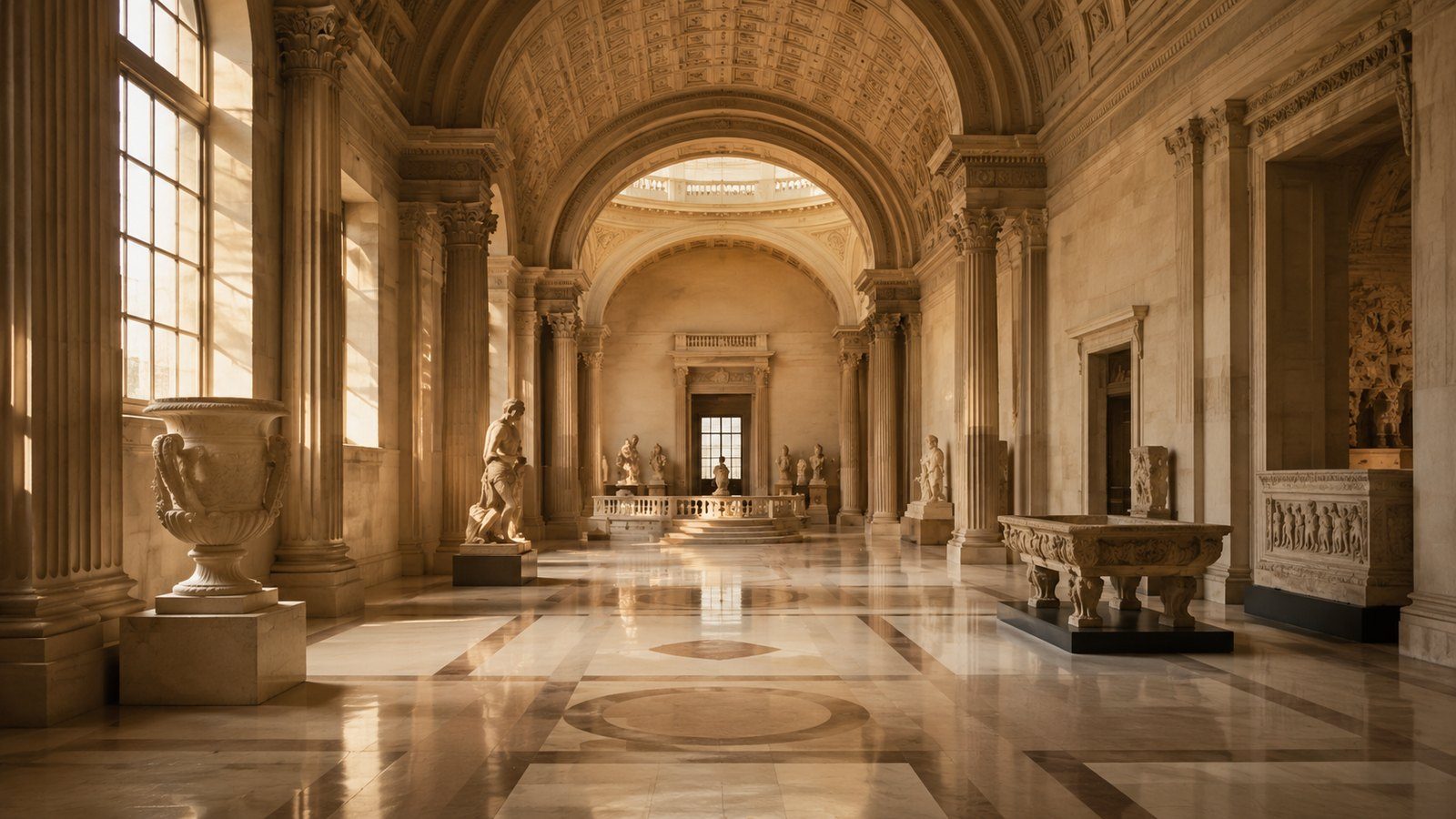
The Singapore Art Museum has unveiled a captivating new exhibition that invites visitors to traverse five decades of the masterful work of Hiroshi Sugimoto, one of contemporary photography’s most introspective and visionary artists. Titled “Visualizing the Void,” this exhibition thoughtfully encapsulates Sugimoto’s lifelong dialogue with time, memory, and the ethereal, offering a rare opportunity to immerse oneself in a career defined by a profound exploration of absence as much as presence.
Hiroshi Sugimoto’s work has always been enthralling in its ability to distill complex ideas about existence and the passage of time into images of startling simplicity and profound depth. His artistry revolves around an almost meditative engagement with the void—the spaces between moments, the tension between light and shadow, and the silent echo of history trapped in emulsion. Over the years, Sugimoto has become known for his large-format black-and-white photographs that invite viewers to consider what is not shown – the invisible, the transient, and the eternal.
“Visualizing the Void” is an eloquent retrospective that charts the evolution of Sugimoto’s artistic language from his earliest experiments in the 1970s to his most recent projects. Walking through the galleries, one encounters a sequence of works that serve almost as visual haikus: minimalistic yet loaded with meaning, they challenge the viewer’s perception of reality. Among the highlights are his seminal seascapes—images so still and empty that the horizon seems to dissolve into infinity—reminding us of the ephemeral nature of time and existence.
The exhibition thoughtfully interweaves Sugimoto’s thematic pursuits such as his iconic “Theaters” series, which historically captured the ghostly blur of films projected in once-glorious cinemas. These photographs, meticulously shot using long exposures, reveal a timeless and otherworldly stillness, freezing the flickering pulse of storytelling into haunting tableaux. Alongside these are works from his “Portraits” series that delve into time’s fossilization through image, giving figures from the past a haunting, almost spectral presence in the present.
One of the exhibition’s captivating elements is its emphasis on the artist’s ability to negotiate the boundary between photography and philosophy. Sugimoto’s photographs do more than record; they provoke deep contemplation about the nature of reality and illusion, presence and absence, life and death. The quiet galleries are suffused with a reflective atmosphere, where the viewer is encouraged to linger and enter a meditative state. The void he visualizes is not emptiness in a negative sense but a space brimming with latent meaning, inviting us to find our own place within the continuum of time.
The Singapore Art Museum, known for its commitment to showcasing innovative perspectives in art, has done an admirable job in framing Sugimoto’s work within an accessible yet intellectually rigorous context. The exhibition’s layout allows for an intimate encounter with the photographs, employing careful lighting and spacing to enhance the contemplative nature of Sugimoto’s images. Accompanying texts and multimedia components further enrich the visitor experience, providing insights into the artist’s process, inspirations, and philosophical inquiries.
Sugimoto’s influence extends beyond the art world; his work resonates with those interested in science, history, and philosophy, making this exhibition a multidisciplinary touchstone. Visitors leave with not only an appreciation for Sugimoto’s technical mastery but also a lingering awareness of their own temporal existence and how we grasp the fleeting nature of reality.
“Visualizing the Void” does more than celebrate the legacy of a single artist; it reminds us of art’s power to transform emptiness into profound meaning. It stands as a testament to Hiroshi Sugimoto’s role as a visual poet who continues to invite us into silent conversations with time—a dialogue that remains poignantly relevant in today’s fast-paced world.
For anyone planning a visit to Singapore, this exhibition is a must-see, offering a rare plunge into an art form that redefines how we perceive the visible and the invisible. Sugimoto’s work, with its timeless grace and philosophical depth, invites all of us to pause and contemplate the spaces in between—the void where existence and meaning silently converge.
Join the discussion
Share a thoughtful museum note, correction, or visitor perspective about this article.