
To remake its downtown, a Cincinnati suburb had to pack up its history – Cincinnati Enquirer
In the heart of Ohio’s Greater Cincinnati area, a subtle yet profound transformation has been quietly unfolding in a suburban community seeking to reinvent its downtown core. This Cincinnati suburb, steeped in decades of local history, embarked on an ambitious urban renewal project that necessitated an unprecedented balancing act: revitalizing the future while carefully preserving the past. The result is a thoughtful example of how communities can honor their heritage, even amid sweeping change.
For residents who have called this area home for generations, the downtown landscape has long been more than just shops and streets. It’s where memories are woven, where communal life unfolds day by day. When plans were first announced to remake this neighborhood’s downtown, the initial reaction mixed hope with apprehension. The renovation promised fresh commercial opportunities, modern infrastructure, and new public spaces. But underneath those promises sat the risk of losing the distinctive character that made the place meaningful.
What set this redevelopment apart is the deliberate and painstaking effort to “pack up” the history—not to erase it, but to safeguard it. City planners, preservationists, and local historians collaborated over several years, curating a trove of artifacts, photographs, and documents. These consignments came from properties slated for demolition or significant alteration during the overhaul, representing a tangible archive of the community’s evolving story.
This archival work went beyond just compiling items. It involved delicate decisions about what elements most authentically encapsulated the suburb’s identity and how to best preserve those assets for public access and education. Some storefront facades were carefully dismantled and stored with plans to be incorporated into future heritage exhibits. Other salvaged items—old signage, period lighting fixtures, and even portions of original brickwork—were cataloged and stored in a local museum dedicated to the area’s history.
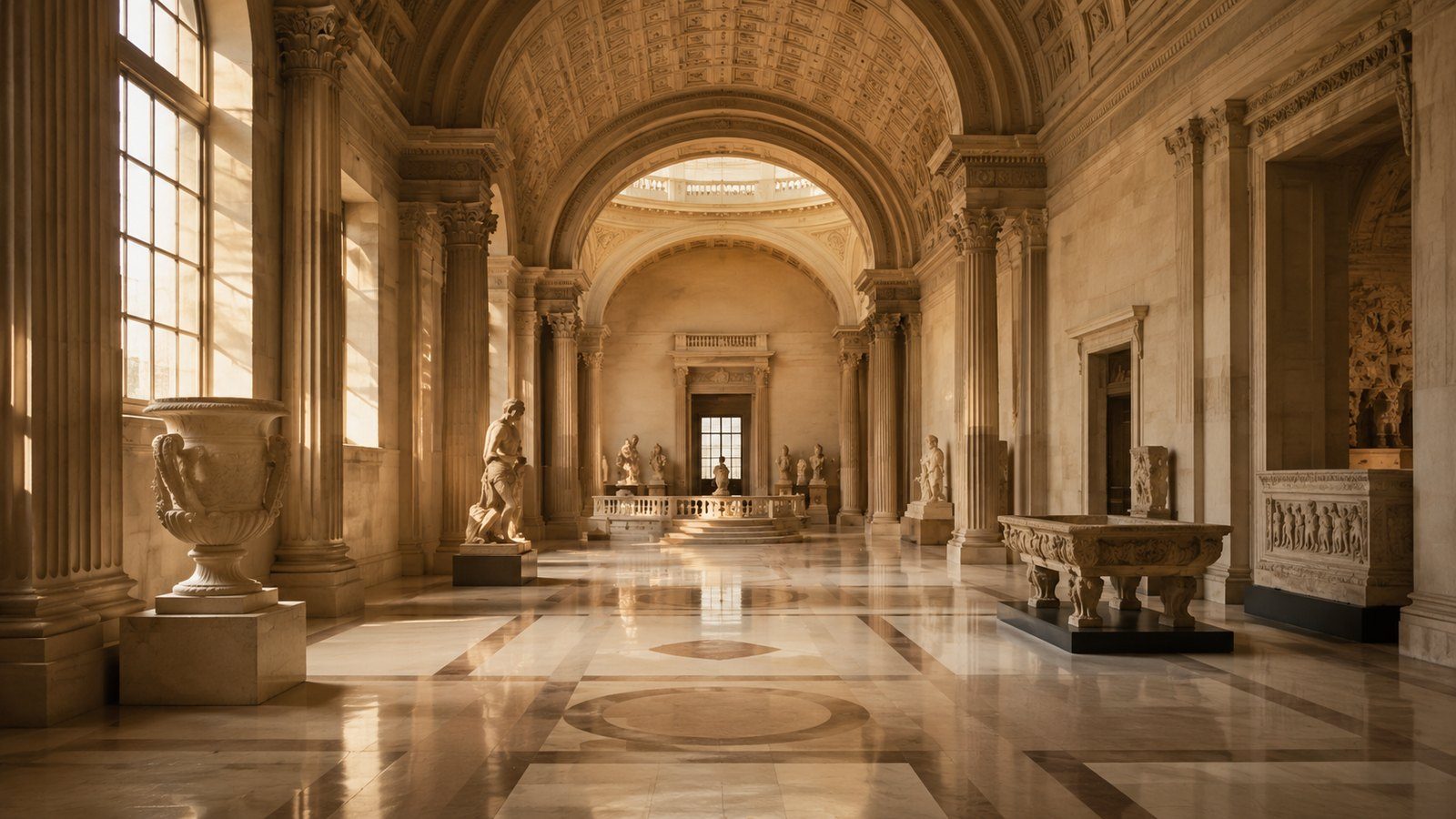
The museum itself has been a quiet but crucial partner in this endeavor. Positioned as a custodian of continuity, it has become an essential link bridging the suburb’s past and future. By offering curated exhibits that contextualize the urban renewal within the larger narrative of the suburb’s cultural and economic evolution, the museum invites visitors and residents alike to reflect on the layers of history embedded beneath the new streetscape.
While physical preservation was a key focus, intangible heritage also received significant attention. Oral histories from long-time residents were collected, creating digital archives that capture personal anecdotes and community memories. These narratives give life to the historical artifacts and provide a rich, human dimension that statistics or architectural plans alone cannot convey.
The redevelopment’s design integrates this historic perspective by creating public spaces that nod to the past without feeling like relics. Walking trails outline the footprints of old buildings, marked by interpretive signs that tell their stories. Public art commissions draw inspiration from the suburb’s industrial roots and cultural milestones, providing a creative dialogue between past and present.
Critically, the project underscores a growing recognition in urban planning and museum circles alike: that history and progress need not be adversaries. Instead, when handled with respect and intentionality, heritage can provide a sense of continuity, grounding rapid change in community identity. This Cincinnati suburb’s downtown transformation is emblematic of this philosophy made real.
Yet, the undertaking was not without its challenges. Balancing commercial interests, municipal budgets, and preservation goals required compromise and perseverance. Some elements of the old downtown were inevitably lost or altered in ways that sparked debate. Though not every resident was fully satisfied, the overall approach foregrounded transparency and public engagement, giving voice to diverse perspectives.
As this suburban community continues to evolve, its story offers valuable lessons for others facing similar crossroads. The process reveals that historical preservation in the context of urban renewal demands more than just saving buildings—it calls for capturing the spirit of a place, honoring its collective memory, and weaving that legacy into vibrant new chapters.
For museum professionals, urban planners, and local leaders everywhere, the experience unfolding here is a reminder that the past and future of our cities coexist in dynamic tension. Embracing that tension with care can transform redevelopment projects from scenes of loss into celebrations of resilience and identity.
In the years to come, visitors to this once modest Cincinnati suburb will likely recognize a place renewed yet deeply rooted, where the layers of history continue to speak behind the modern veneer. It stands as a testament to what is possible when communities choose to carry their heritage forward, allowing it to inform and enrich the spaces where life, commerce, and culture converge.
Join the discussion
Share a thoughtful museum note, correction, or visitor perspective about this article.