
This Day in History: April 11, 1905: Gibbes Museum of Art officially opens
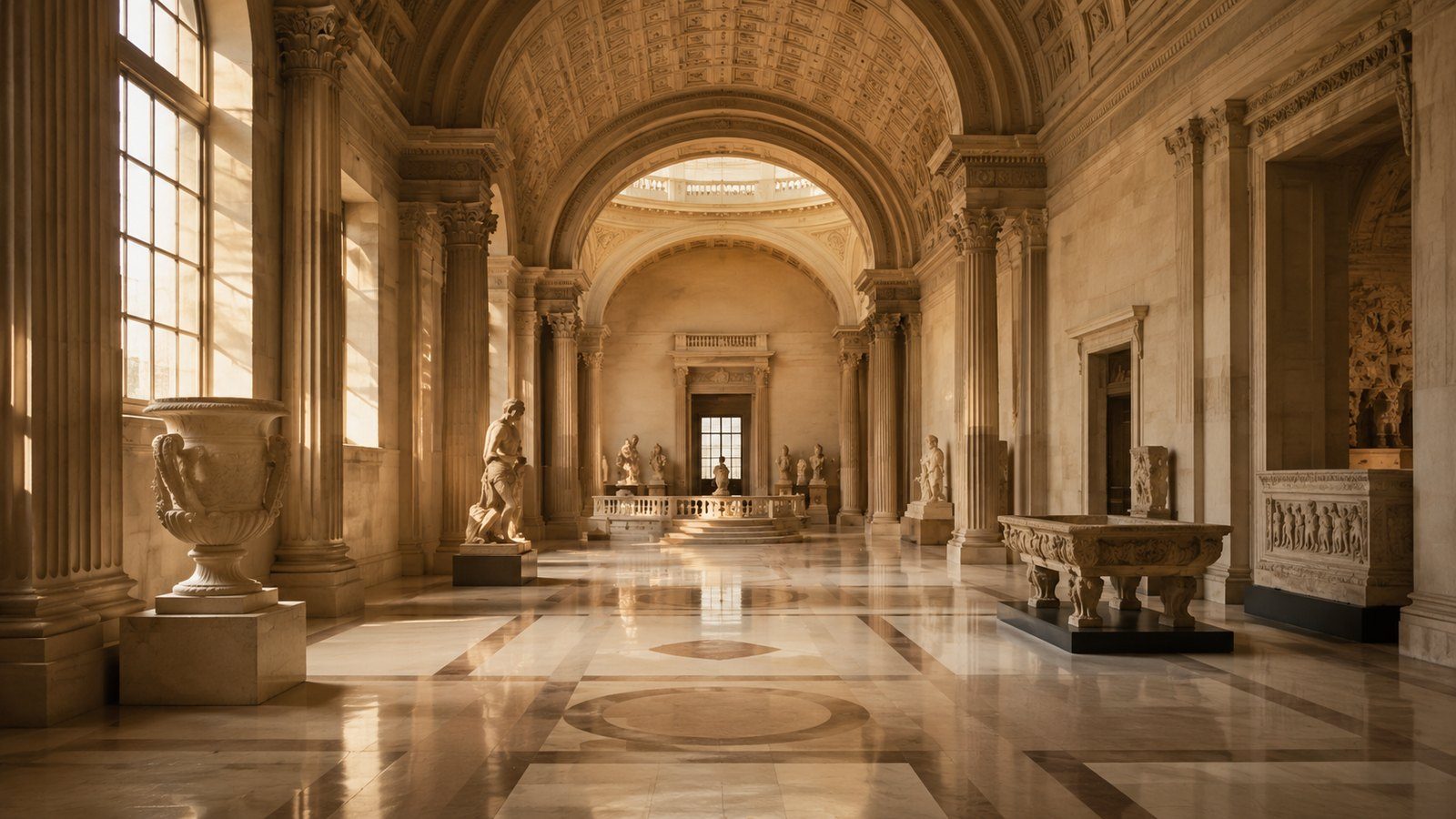
On April 11, 1905, the cultural landscape of Charleston, South Carolina, was forever enriched with the official opening of the Gibbes Museum of Art. Over a century later, this venerable institution still stands as a beacon of artistic heritage, reflecting the rich history and vibrant creativity of the Lowcountry and beyond.
The Gibbes Museum’s inception was rooted in a deep appreciation for regional art and a commitment to cultivating cultural appreciation within the community. Named after James Shoolbred Gibbes, a local philanthropist whose bequest laid the groundwork for the museum’s establishment, the building itself was designed to be more than just a repository of art. It was conceived as a welcoming sanctuary—a place where residents and visitors could engage with the visual stories that define Charleston and the southern United States.
When the museum first opened its doors in the early 20th century, it represented a new kind of cultural institution in Charleston. Nestled in the historic heart of the city, its Italian Renaissance Revival architectural style immediately distinguished it as an elegant and progressive addition to the downtown streetscape. From the beginning, the museum embraced its role as a dynamic center for both preservation and innovation in the arts.
The original collection was modest but thoughtfully curated, focusing primarily on works that highlighted Southern art and its many influences—from antebellum portraits to vibrant landscapes and intricate still lifes. This emphasis was not only a nod to Charleston’s past but also a living dialogue with contemporary artists who found inspiration in the region’s unique blend of natural beauty and historical context.
Over the years, the Gibbes Museum has expanded its collection and embraced new initiatives that broaden its reach and relevance. It has become a nurturing ground for emerging artists and a platform for groundbreaking exhibitions that challenge traditional narratives. Its educational programs have engaged generations of students, art lovers, and casual visitors alike—underscoring the museum’s mission to make art accessible, meaningful, and deeply connected to community identity.
What makes the Gibbes Museum’s story particularly resonant today is how it continues to evolve without losing sight of its original vision. As it celebrates each anniversary, the museum reinforces its dedication to honoring the past while fostering creative expression that speaks powerfully to current and future generations. This balance between tradition and progress is at the heart of the museum’s enduring appeal.
The museum’s place in Charleston is not just as a guardian of artistic treasures but as a vibrant gathering place where creativity and history intersect. It invites visitors to experience the richness of Southern culture through the lens of art—whether by exploring permanent collections or encountering innovative temporary exhibitions that provoke thought and conversation.
The Gibbes Museum’s official opening on April 11, 1905, marked more than the birth of an institution—it heralded the beginning of a cultural legacy that continues to inspire and nurture artistic expression throughout the region. It stands as a timeless reminder of how art can anchor a community’s identity and open windows to new perspectives.
As we reflect on this historic milestone today, the Gibbes Museum remains a testament to the power of vision, philanthropy, and a steadfast commitment to the arts. More than a century later, it continues to shine brightly in Charleston’s cultural firmament, inviting us all to appreciate the beauty and stories captured on its walls and to be part of a living tradition that celebrates creativity in its many forms.
Join the discussion
Share a thoughtful museum note, correction, or visitor perspective about this article.