Zentrum Paul Klee Review
Tickets & Tours
Compare ticket options and guided tours from trusted booking partners.
We may earn a commission if you book through these links.
Historical Context
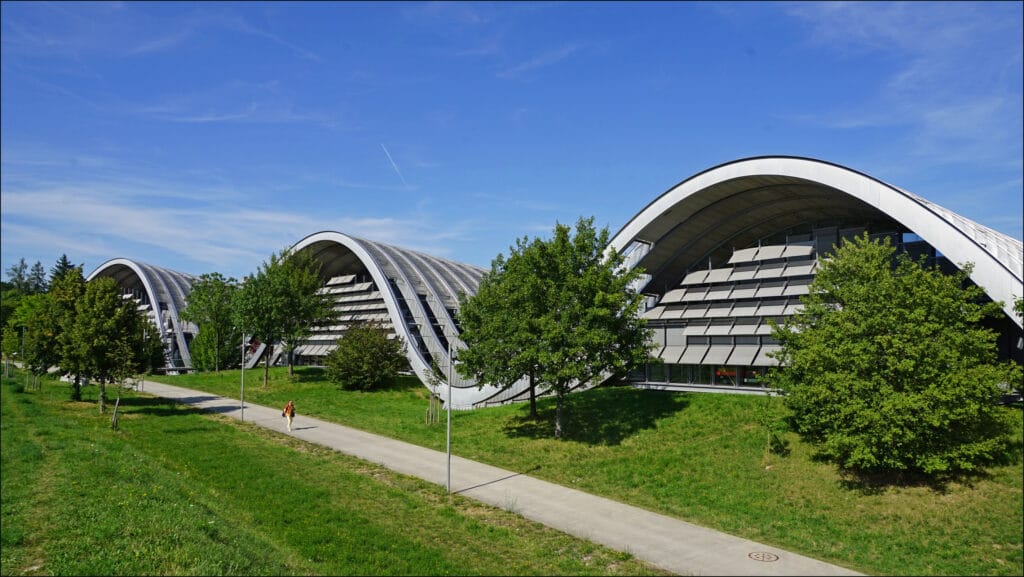
The Zentrum Paul Klee, located in Bern, Switzerland, stands as a dedicated institution honoring the legacy of Paul Klee, one of the 20th century’s most influential artists. Established in 2005, the museum was conceived with the vision of creating a space that not only houses Klee’s extensive body of work but also fosters appreciation for his contributions to modern art. Paul Klee’s unique style, characterized by a blend of expressionism, cubism, surrealism, and abstraction, remains significant in art history for its innovative use of color, shapes, and symbolism. The museum was designed by the renowned architect Renzo Piano, whose architectural approach enhances the connection between art and nature in the building’s fluid, wave-like forms. Situated just outside Bern’s city center, the Zentrum Paul Klee complements the cultural landscape of the Swiss capital by providing a specialized focus on one artist’s genius, while also embracing educational and research activities that deepen understanding of Klee’s multifaceted oeuvre.
What You See on Arrival
Visitors approaching the Zentrum Paul Klee are met with a striking architectural form that immediately signals its modernist ethos. The building’s exterior is defined by a gently undulating roofline and expansive transparent facades that blend the structure with the surrounding natural environment. This harmonious integration not only softens the building’s presence amid the rolling Swiss landscape but also hints at the interconnection between nature and artistic creativity that is central to Klee’s work. The surrounding grounds are thoughtfully landscaped with open green spaces and paths that invite contemplation even before entering the museum. Upon arriving, one is encouraged to take in both the building’s sculptural qualities and its setting, which contribute to a sense of calm and anticipation. The entrance lobby is spacious and filled with natural light, setting a welcoming tone and providing clear sightlines to the ticket counters, information desks, and the Museum Shop, where visitors can find publications and items related to Klee’s art.
Highlights and Key Exhibitions
The Zentrum Paul Klee boasts the world’s largest collection of Paul Klee’s works, encompassing over 4,000 pieces that include paintings, drawings, and graphic works. The museum’s permanent exhibition is organized thematically rather than chronologically, which offers a nuanced perspective on Klee’s artistic development and interests. This approach facilitates deeper engagement with the recurring motifs and styles that define his oeuvre, from the whimsical and childlike to the profoundly symbolic and experimental. Particularly notable are the displays that explore Klee’s fascination with music, nature, and his pedagogical work at the Bauhaus school. The collection is supplemented by a fine selection of works from contemporaneous artists, providing a broader context for understanding Klee’s place within modernism. The museum also dedicates considerable effort to temporary exhibitions focused on aspects of Klee’s influence and related art movements, though the core appeal remains its comprehensive permanent collection. Visitors can expect to encounter masterpieces such as “Twittering Machine” and “Senecio,” which epitomize Klee’s playful and intellectual artistry.
Visitor Experience
The visitor experience at the Zentrum Paul Klee is crafted to be both intellectually stimulating and comfortable. The museum’s layout is intuitive, and clear signage guides visitors through the exhibition spaces without any sense of clutter or confusion. Audio guides and multimedia installations are available to enrich the understanding of Klee’s complex visual language and artistic philosophy. Educational programs, workshops, and lectures further enhance the museum’s role as a living center for art appreciation and scholarship. The atmosphere in the galleries is peaceful and conducive to reflection, supported by well-considered lighting and generous spatial arrangements. Seating areas are thoughtfully placed for visitors to pause and absorb the art. The Museum Shop offers a diverse range of curated items, from exhibition catalogues to unique art reproductions, while the onsite café provides a tranquil space for respite, featuring views over the nearby landscape. Overall, the museum manages a balance between accessibility to all types of art enthusiasts and depth for those seeking a more profound understanding of Klee’s work.
Tickets, Access, and Planning
Ticketing at the Zentrum Paul Klee is straightforward, with options for online purchase facilitating smooth entry. Prices are reasonable, reflecting the museum’s commitment to accessibility, with discounts available for students, seniors, and groups. Children under a certain age can often enter free, supporting family visits. The museum is well-served by public transport from Bern’s city center, with clear signage directing visitors from the nearest tram or bus stops. Adequate parking facilities are available for those arriving by car. Accessibility for individuals with disabilities is a priority, with barrier-free entrances, elevators, and adapted restroom facilities throughout the building. The museum’s website provides up-to-date information on opening hours, temporary closures, and current exhibitions, aiding in visit planning. Due to the museum’s size and the depth of the collection, visits of two to three hours are ideal for a rewarding experience. Special events and guided tours, when scheduled, add further value and insight.
Final Verdict
The Zentrum Paul Klee offers a compelling and thoughtful tribute to one of modern art’s most versatile and imaginative figures. Its rich, thematically arranged collection paired with Renzo Piano’s architectural vision creates a museum experience that resonates on multiple levels—artistic, historical, and atmospheric. While the museum may appeal most directly to those with a specific interest in Paul Klee or early 20th-century art, it does so in a manner that invites broader audiences to appreciate the artist’s innovative spirit and enduring influence. The visitor amenities, educational programming, and overall accessibility ensure that the Zentrum Paul Klee is not merely a static repository of art but a dynamic cultural institution. In the competitive museum landscape of Bern and beyond, it stands out as a destination that rewards time, curiosity, and reflection, offering a meaningful encounter with art that continues to inspire.