Viking Museum Haithabu Review
Viking Museums · Busdorf, Germany. The Viking Museum Haithabu, located near the town of Busdorf in Germany, sits at the site of one of the most significant Viking Age settlements in Northern Europe. Haithabu, known historically as Hedeby, was…
Viking Museums · Busdorf, Germany. The Viking Museum Haithabu, located near the town of Busdorf in Germany, sits at the site of one of the most significant Viking Age settlements in Northern Europe. Haithabu, known historically as Hedeby, was…
Best forMaritime history, ships, harbour heritage
Review focusCollection, setting, visitor experience
Historical Context
The Viking Museum Haithabu, located near the town of Busdorf in Germany, sits at the site of one of the most significant Viking Age settlements in Northern Europe. Haithabu, known historically as Hedeby, was a prominent trading hub and fortification during the late 8th to 11th centuries, positioned strategically between the North Sea and the Baltic Sea. This settlement played a pivotal role in the exchange of goods, cultures, and ideas across Viking, Slavic, and Frankish worlds. Archaeological discoveries over the past century have shed light on its importance as a commercial and cultural nexus, revealing artifacts ranging from everyday tools to exquisite jewelry, as well as remnants of wooden ships and defensive structures. The museum serves not only as a repository of these finds but also as an interpretive centre that explores the complexities of Viking society beyond the traditional image of warriors, highlighting their roles as traders, craftsmen, and settlers. In doing so, it offers a nuanced understanding of Viking heritage within the broader historical contours of medieval Europe.
What You See on Arrival
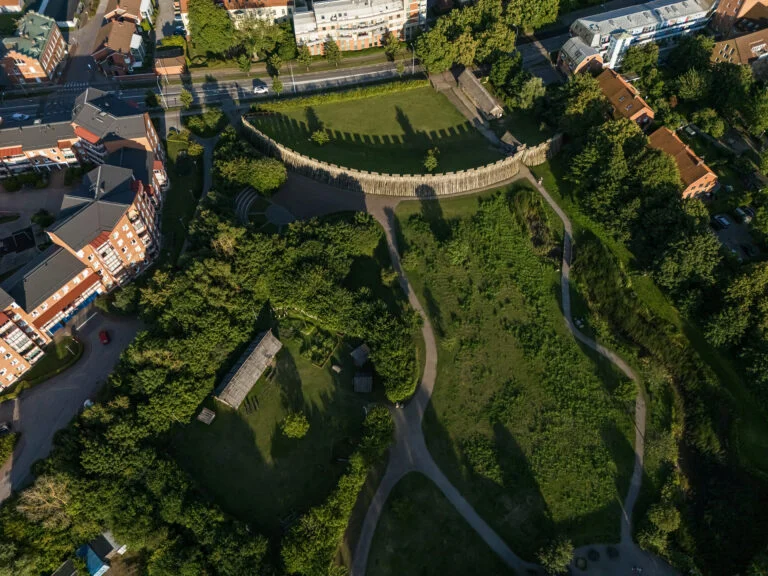
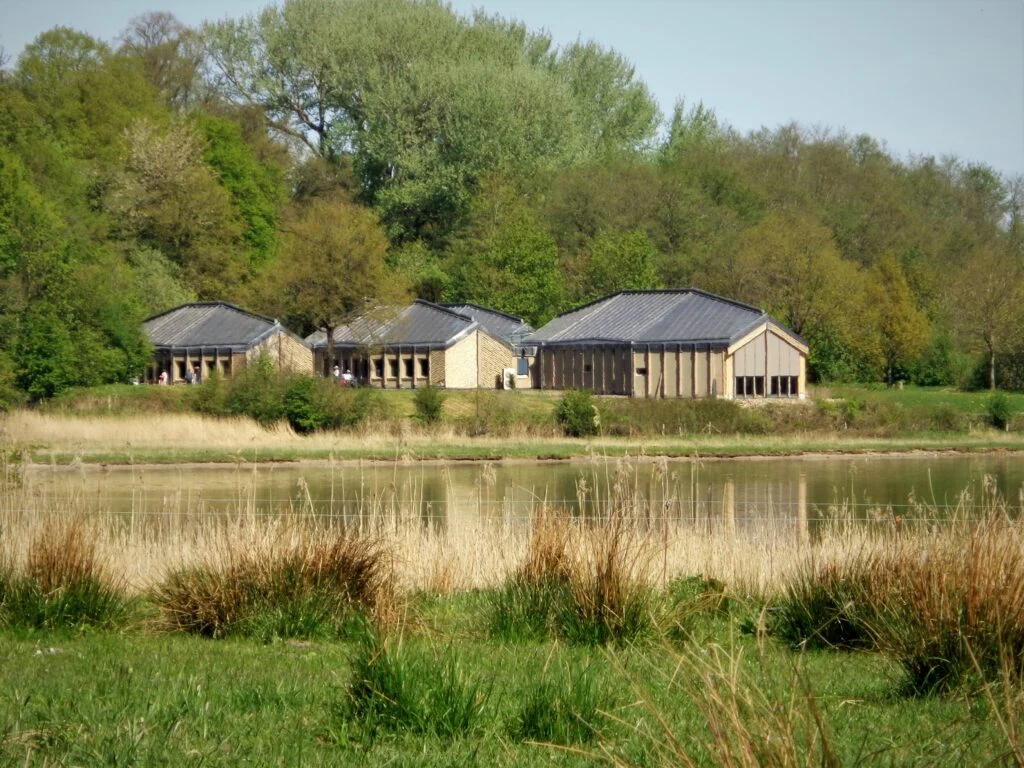
Visitors approaching the Viking Museum Haithabu are greeted by a well-integrated architectural structure designed to blend with the surrounding landscape, reflecting a minimalist aesthetic that enhances the natural environment of the area. The site features a modern museum building framed by open-air reconstructions of Viking-era dwellings and defensive walls, offering an immediate visual connection to the past. This combination of indoor and outdoor elements creates a layered experience, where the physical location intertwines with the narrative of the Viking settlement. The museum’s proximity to the original archaeological site is marked by clear signage and thoughtfully curated pathways, allowing visitors to transition smoothly between exhibits and outdoor historical reconstructions. The grounds itself are spacious and maintained, inviting visitors to take their time in exploring the recreated Viking village, which captures the architectural styles and settlement patterns of the era with a high degree of archaeological fidelity. Overall, the initial impression is one of immersion and contextual grounding, setting the tone for a comprehensive encounter with Viking history.
Highlights and Key Exhibitions
The Viking Museum Haithabu boasts an array of carefully curated exhibits that delve into various aspects of Viking life. Central to the museum’s appeal is its extensive collection of archaeological artifacts uncovered from the Haithabu site, including pottery shards, weapons, tools, and personal adornments. These objects are displayed with detailed interpretive information that explains their use and significance within Viking society. The museum also provides an impressive reconstruction of Viking ships, demonstrating the technological sophistication and maritime prowess that enabled Viking voyages across vast distances. Interactive displays and multimedia presentations enrich the storytelling, shedding light on the daily routines, trade networks, and social structures of the settlement. Notably, there is a strong emphasis on the multicultural interactions at Haithabu, illustrating how Vikings engaged with neighboring communities through trade and diplomacy. The open-air section featuring replica longhouses and defensive ramparts complements the indoor exhibitions by enabling visitors to experience a tangible sense of Viking domestic and military architecture. The balance between material culture and narrative interpretation makes the museum a thorough resource for understanding the Viking Age beyond popular mythology.
Visitor Experience
The visitor experience at the Viking Museum Haithabu is designed to be both informative and engaging, with a clear focus on accessibility and educational value. The layout facilitates an intuitive flow from one exhibit to another, allowing visitors of different interests and ages to engage at their own pace. Staff on hand provide knowledgeable assistance, ensuring questions about exhibits and historical contexts can be met with detailed explanations. The museum employs a range of interpretive methods, such as interactive panels, audiovisual installations, and hands-on activities, to accommodate diverse learning styles. For families, there are particular features designed to capture younger audiences’ imaginations, including replica Viking costumes and craft workshops, although these are seasonal and subject to scheduling. The museum shop offers a broad selection of literature and Viking-themed merchandise, while the onsite café provides a pleasant spot for relaxation without disrupting the immersive atmosphere. Overall, the museum strikes a effective balance between scholarly rigor and public engagement, making the history of Haithabu accessible and relevant to a wide audience.
Tickets, Access, and Planning
Ticketing at the Viking Museum Haithabu is straightforward, with reasonable admission fees that offer good value considering the breadth of exhibitions and facilities. Discounts are commonly available for students, seniors, and families, reflecting an inclusive approach to pricing. The museum’s hours are generally aligned with standard visitor patterns, but checking in advance for seasonal variations or special closures is advisable. The site is accessible by car and public transport, with parking facilities nearby and clear directions provided through the museum’s official channels. Accessibility for individuals with mobility challenges has been thoughtfully addressed, with ramps and elevators ensuring that the majority of exhibits and outdoor areas can be explored comfortably. Planning a visit benefits from considering the time needed to fully appreciate both the indoor exhibitions and the outdoor reconstructions, generally allowing at least two to three hours for a complete experience. Guided tours are offered periodically and can greatly enhance the depth of understanding, although audio guides are also available for a more flexible visit.
Final Verdict
The Viking Museum Haithabu stands out as a premier institution dedicated to the Viking Age, particularly for its location at one of the era’s most important historical sites. It excels in combining rigorous archaeological scholarship with accessible and engaging presentation methods, which collectively transform ancient history into a vivid and relatable story. While its appeal naturally centers on Viking enthusiasts and students of medieval history, the museum’s design and content cater adeptly to a general audience, including families and casual visitors interested in cultural heritage. The integration of indoor exhibits with outdoor reconstructions provides a distinctive experiential quality not often found in conventional museums. Some visitors might find the reliance on text-heavy displays a bit dense, but this is balanced by interactive elements that enliven the experience. Overall, for anyone keen on exploring the complexities of Viking society beyond the stereotypes, the Viking Museum Haithabu offers a compelling and thoughtfully curated journey into a formative period of European history.