Treasure Island Museum Review
History Museums · San Francisco, United States. The Treasure Island Museum, situated in the unique setting of San Francisco’s man-made Treasure Island, offers a nuanced exploration of the island’s layered history and its cultural significance within the Bay Area. Created in…
History Museums · San Francisco, United States. The Treasure Island Museum, situated in the unique setting of San Francisco’s man-made Treasure Island, offers a nuanced exploration of the island’s layered history and its cultural significance within the Bay Area. Created in…
Best forMaritime history, ships, harbour heritage
Review focusCollection, setting, visitor experience
Historical Context
The Treasure Island Museum, situated in the unique setting of San Francisco’s man-made Treasure Island, offers a nuanced exploration of the island’s layered history and its cultural significance within the Bay Area. Created in the late 1930s as part of the Golden Gate International Exposition, Treasure Island itself was conceived as a demonstration of architectural innovation and urban planning, reflecting San Francisco's ambitions during that era. The museum embraces this narrative, tracing the island's evolution from its origins in the mid-20th century to its fluctuating roles as a naval base, a public recreational space, and now a locus for redevelopment and community engagement. Beyond its immediate environment, the museum connects visitors with the broader maritime history of the San Francisco Bay and the dynamic interplay between human endeavors and natural landscapes. This historical backdrop frames the museum’s mission: to preserve and interpret the stories embedded within Treasure Island’s terrain, revealing both its celebrated past and complex transitions that echo wider themes in Californian and American history.
What You See on Arrival
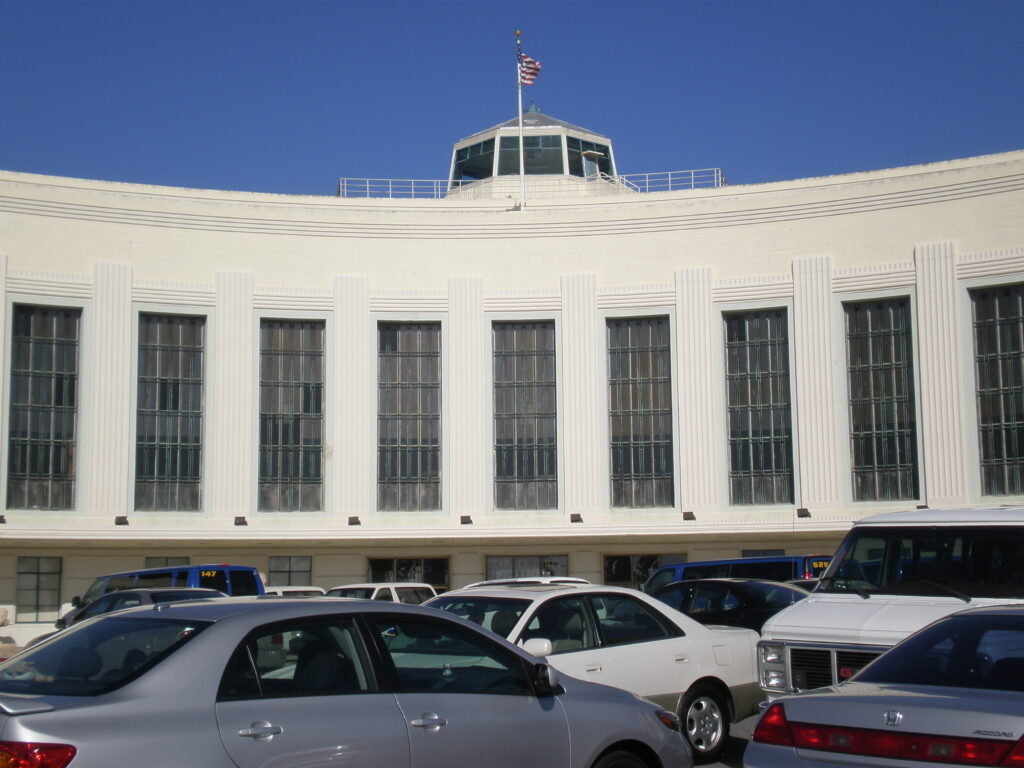
Approaching the Treasure Island Museum, one is immediately greeted by a striking blend of mid-century modern architecture that recalls the island’s exposition origins, harmonizing well with the surrounding coastal vistas. The site's location offers impressive panoramas of the San Francisco skyline, the Bay Bridge, and the waters that have shaped the island’s history. The museum is housed in a thoughtfully adapted structure that balances historic preservation with contemporary design, making an inviting visual statement. Upon entry, visitors encounter a well-curated lobby space leading into the main exhibition galleries. Informational signage and thematic display cases are strategically positioned so as to orient guests toward the key narratives that the museum explores. Outside, several interpretive panels and historical markers provide additional context for the island itself, preparing visitors for a multifaceted visit that extends beyond the indoor spaces. The initial presentation expertly evokes curiosity, setting the stage for a deeper engagement with Treasure Island’s heritage.
Highlights and Key Exhibitions
The core of the museum’s appeal lies in its carefully divided exhibitions that delineate different chapters of Treasure Island’s history and cultural landscape. One highlight is the comprehensive overview of the Golden Gate International Exposition, which includes archival photographs, original artifacts, and multimedia installations that reconstruct the grandeur and optimism of the 1939 and 1940 fairs. Visitors gain insight into the island’s conception and the visionaries who shaped its brief but dazzling role as an exposition venue. Another standout section explores the island’s military significance, exhibiting naval memorabilia, documents, and personal stories that illuminate its functions during World War II and the Cold War era. This portion offers a sobering counterpoint to the earlier festive phase of the island’s story.
The museum also delves into the post-military phase, showcasing the island’s gradual opening to civilian life, environmental challenges, and ongoing efforts at revitalization. Particular attention is given to the relationship between development and preservation, with displays that prompt reflection on urban planning, ecological stewardship, and community impact. The inclusion of interactive elements such as a digital map that traces changing land uses enriches the narrative, providing visitors with an engaging way to visualize spatial transformations over time. Throughout, the museum balances historical rigor with accessible storytelling, making the exhibitions both educational and compelling.
Visitor Experience
The Treasure Island Museum offers a visitor experience that caters well to diverse audiences, though it leans more toward those with an interest in history, urban development, and regional identity. The layout is intuitive, guiding guests logically through chronological and thematic sections. Interpretive materials are thoughtfully designed, combining text panels with audiovisual components that support different learning styles. Museum staff are described in third-party reviews as knowledgeable and welcoming, enhancing the educational aspect without feeling intrusive.
While the museum is not expansive, it maximizes space efficiently, ensuring that key themes are thoroughly addressed without overwhelming the visitor. The balance between exhibit density and open spaces contributes to a comfortable pace for exploration and reflection. Supplementary programming, such as guided tours and lectures organized periodically by affiliated organizations, extend the visitor experience, though these lie beyond the museum’s permanent offerings.
On a practical note, the museum’s location on Treasure Island means that visitors benefit from stunning views and photo opportunities, creating a sense of place that complements the historical content. However, the site’s relative isolation from central San Francisco requires some travel planning, and provisions for shelter and refreshments on-site are limited, factors worth considering before a visit.
Tickets, Access, and Planning
Access to the Treasure Island Museum is relatively straightforward, though it requires some forethought given the island’s unique geographic positioning in the middle of San Francisco Bay. Public transportation options include bus services that connect the island with key transit hubs, but car travel is more commonly recommended, with adequate parking facilities nearby. For those using rideshare services, the museum is easily located by address.
Ticket pricing is moderate and reflects a commitment to public accessibility, with discounts offered for seniors, students, and local residents. Admission fees contribute toward the maintenance of exhibitions and the development of educational programs. Family rates make the museum an attractive option for those seeking a cultural outing with children.
Facilities are generally well-maintained, with accessible entrances and accommodations for visitors with mobility challenges. While the museum’s compact size limits the presence of extensive amenities, seating areas and restroom facilities are available. Planning a visit around weekends or holidays may benefit from additional community events on the island, though the museum itself maintains steady operating hours during the week.
Final Verdict
The Treasure Island Museum stands as a thoughtfully curated institution that shines a spotlight on a distinctive and often overlooked chapter of San Francisco’s history. It successfully weaves together themes of innovation, military heritage, and urban transformation in a way that is both informative and engaging. The museum’s strength lies not only in its well-researched exhibitions and evocative setting but also in its ability to provoke reflection on broader issues of place-making and historical memory.
While the museum’s modest scale and location might limit casual foot traffic, these elements also enhance its charm, offering a quieter, more focused cultural experience removed from the more crowded city center attractions. Those with interests in local history, architecture, and regional development will find much to appreciate here, though casual tourists seeking blockbuster displays may desire a different sort of experience.
In conclusion, the Treasure Island Museum provides a rewarding visit for those willing to invest time in exploring the layered stories of Treasure Island and San Francisco’s evolving identity. It is a notable addition to the Bay Area’s cultural landscape and an important resource for preserving and interpreting the island’s unique heritage.