Wells Fargo History Museum Review
History Museums · San Francisco, United States. The Wells Fargo History Museum in San Francisco offers a compelling glimpse into the legacy of one of America’s most iconic financial institutions. Established in 1852 during the California Gold Rush era, Wells Fargo…
History Museums · San Francisco, United States. The Wells Fargo History Museum in San Francisco offers a compelling glimpse into the legacy of one of America’s most iconic financial institutions. Established in 1852 during the California Gold Rush era, Wells Fargo…
Best forScience, technology, hands-on learning
Review focusExhibits, interpretation, visitor flow
Historical Context
The Wells Fargo History Museum in San Francisco offers a compelling glimpse into the legacy of one of America’s most iconic financial institutions. Established in 1852 during the California Gold Rush era, Wells Fargo played a significant role in the economic development of the western United States. The museum’s narrative extends far beyond banking; it chronicles the company’s involvement in stagecoach transportation, mail delivery, and the shaping of the American West. The institution’s evolution reflects broader themes in U.S. history, including westward expansion, the impact of the railroad, and the complexities of frontier life. This museum provides a rare opportunity to understand not only the corporate journey of Wells Fargo but also the social and cultural shifts tied to the American frontier and the financial mechanisms that helped fuel national growth during the 19th and early 20th centuries.
What You See on Arrival
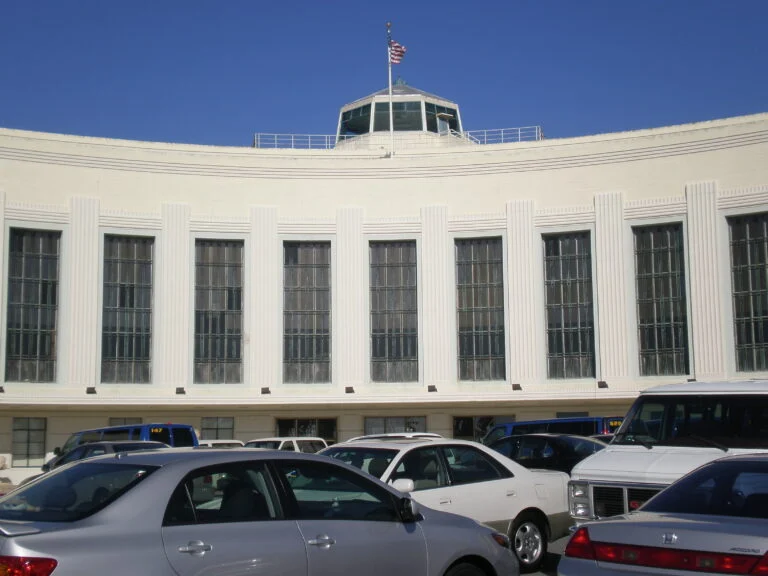
Upon approaching the Wells Fargo History Museum in San Francisco, visitors encounter a beautifully preserved building that itself is an artifact from a bygone era. The exterior architecture harks back to the late 19th century, with intricate stonework and classical design elements that evoke the grandeur of early American banking houses. As you step inside, the lobby sets a tone of timeless elegance, centered around original fixtures such as a teller’s counter and antique vaults. The atmosphere immediately immerses visitors in a sense of historical gravitas. The layout is compact yet efficiently designed, allowing guests to quickly orient themselves to the museum’s key sections and exhibits. Ambient lighting focuses attention on carefully curated displays, integrating both objects and informative panels to tell the Wells Fargo story in a cohesive and visually engaging manner.
Highlights and Key Exhibitions
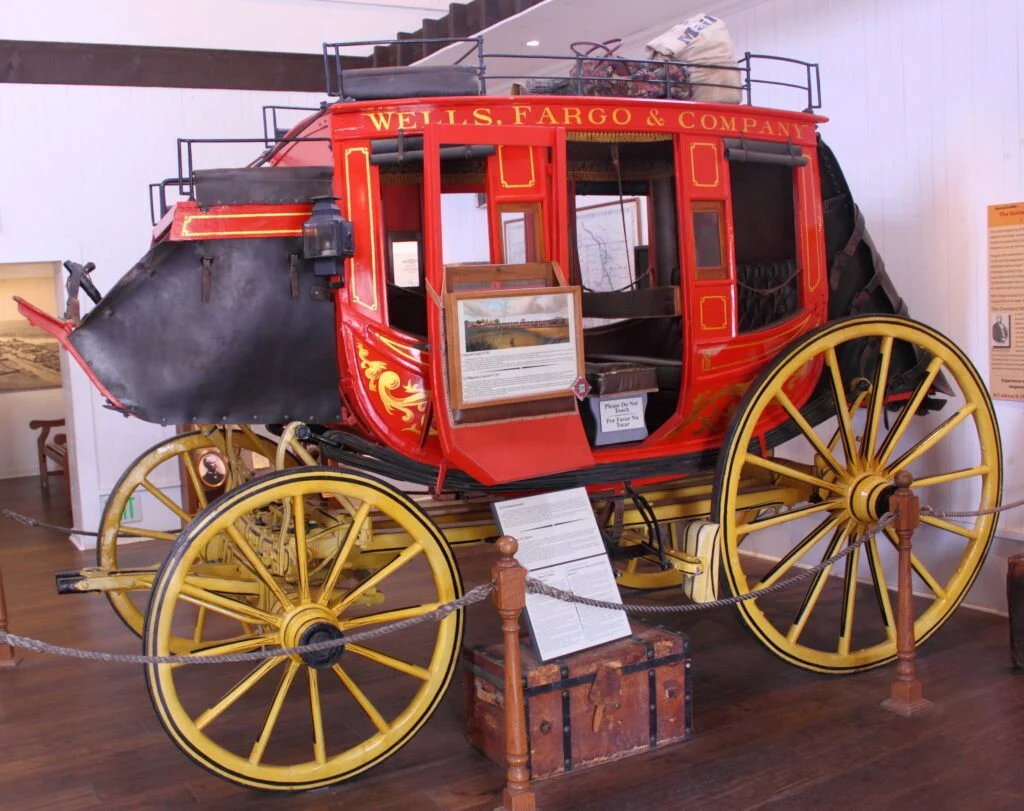
The Wells Fargo History Museum excels in presenting a rich array of artifacts that span over a century. One of the standout features is the extensive collection of stagecoaches, including impressively preserved originals and meticulously crafted replicas. These stagecoaches symbolize the pioneering spirit of the American West and Wells Fargo’s critical role in transportation and communication networks. Alongside these, the museum presents a diverse set of historic photographs, documents, and gold nuggets that illustrate the Gold Rush era’s intensity and uncertainty.
Several exhibits delve into the evolution of banking technology and customer service practices, showcasing early ledgers, coins, and paper currency from Wells Fargo’s formative years. The storytelling is enhanced with illustrative narratives about key figures and events that shaped the company’s identity. However, while the museum is strong in conveying Wells Fargo’s historical significance, it is less expansive on contemporary developments or challenges faced by the bank, primarily focusing instead on heritage rather than current financial industry contexts.
The museum’s interactive elements, such as touch screens offering deeper dive content and audio descriptions, contribute to an engaging educational experience, particularly for younger visitors or those less familiar with American banking history. However, the scope is deliberately narrow, emphasizing Wells Fargo’s foundational story rather than a broad survey of financial history.
Visitor Experience
The Wells Fargo History Museum is designed to provide a concise yet informative journey, suitable for visitors with varying degrees of interest in history or finance. The space is well-maintained and thoughtfully arranged, allowing for an easy flow between exhibits. Staff members are generally knowledgeable and approachable, offering additional context when requested. The museum’s quiet ambiance encourages reflection and learning without feeling overwhelmed by crowds or excessive noise.
While it serves as a strong resource for history enthusiasts and educators, casual tourists might find the visit relatively brief, as the museum’s compact size limits the number of exhibits. Nevertheless, the richness of the artifacts compensates somewhat for this, delivering a focused narrative that does not demand a large time commitment.
One possible critique lies in the level of contextualization surrounding Wells Fargo’s role during periods of social change and economic turbulence. The presentation leans toward a more traditional celebratory tone and could benefit from more nuanced discussion about the company’s varied impacts on different communities throughout its history. Adding more voices and critical perspectives might enrich the overall visitor experience, making it more relevant to a diverse audience.
Tickets, Access, and Planning
Admission to the Wells Fargo History Museum is generally affordable, with ticket information easily accessible via the official website. There are often options for discounted rates for seniors, students, and groups, which make the museum accessible for educational visits and family outings. The compact nature of the museum allows for a visit that fits easily within a day spent exploring downtown San Francisco.
The museum is well-connected to public transportation networks, located in a central, walkable area of the city. Accessibility accommodations are in place, including wheelchair access and assistance for visitors with mobility challenges. However, the historic architecture naturally imposes some spatial constraints; narrower doorways and uneven surfaces in certain sections may require additional support or advance notice for visitors with specific accessibility needs.
Planning ahead is advisable, particularly during weekends and tourist seasons, as the museum can experience higher foot traffic due to its proximity to popular city attractions. Advanced ticket purchases through the official website streamline entry and avoid queues. Additionally, audio guides or mobile app supplements are available, enhancing the self-guided experience for those preferring independent exploration over guided tours.
Final Verdict
The Wells Fargo History Museum in San Francisco stands as a focused and finely curated institution dedicated to preserving the legacy of a foundational player in American finance and western development. Its strengths lie in the authenticity and quality of its artifacts, the clarity of its storytelling, and the tangible connection to a pivotal era in United States history. The stagecoaches and period documents remain the most striking elements, effectively communicating the adventurous ethos of the Gold Rush and the rise of banking infrastructure in a developing nation.
While the museum’s scope might feel limited to some, particularly those seeking a broader or more contemporary perspective on banking or social impacts, it remains a valuable cultural and educational destination. Those with an interest in history, transportation, and economic development will find much to appreciate here. The visitor experience is polished and accessible, supported by staff competence and thoughtful design, making for a rewarding visit that dovetails well with the wider historical landscape of San Francisco.
Ultimately, this museum is best suited for visitors with a curiosity about the origins of American finance and the historic West. Its compact size and precise focus allow for a meaningful engagement that does not require an extended time commitment, making it a smart choice for those looking to complement a broader exploration of the city’s rich historical tapestry.