The Viking Museum Fyrkat Review
Viking Museums · Hobro, Denmark. The Viking Museum Fyrkat, located in Hobro, Denmark, offers a compelling insight into the Viking Age with a dedicated focus on one of Denmark’s most important archaeological sites. Situated near the remains of the…
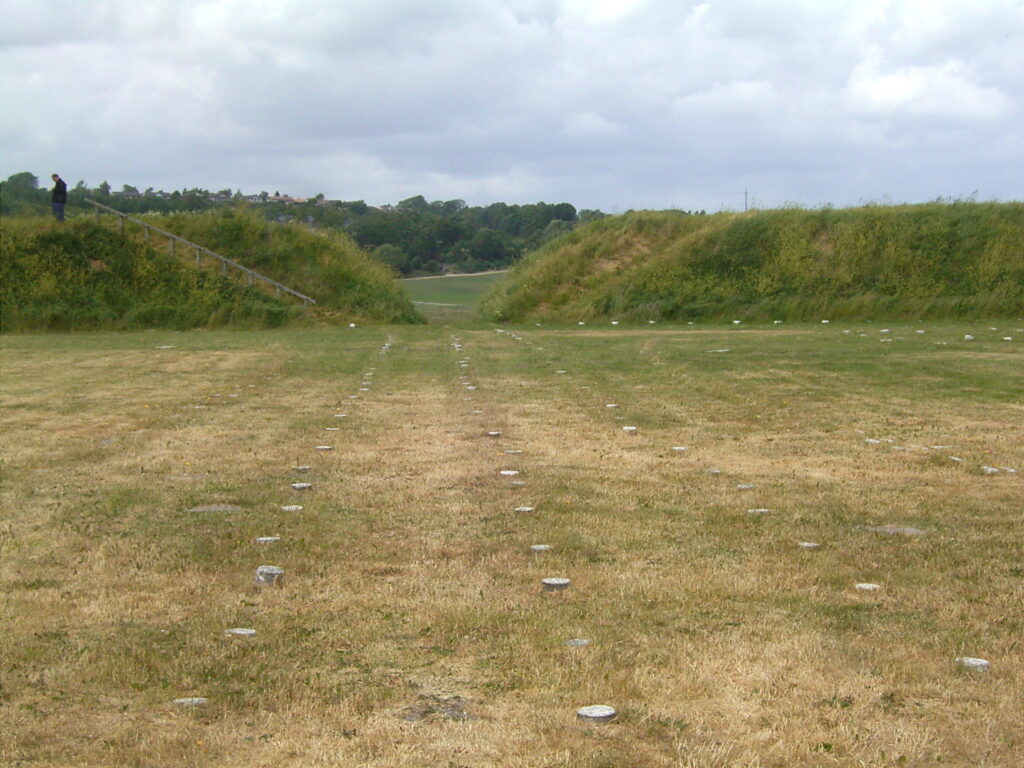
Viking Museums · Hobro, Denmark. The Viking Museum Fyrkat, located in Hobro, Denmark, offers a compelling insight into the Viking Age with a dedicated focus on one of Denmark’s most important archaeological sites. Situated near the remains of the…
Best forArchitecture, royal history, heritage
Review focusArchitecture, history, visitor experience
Historical Context
The Viking Museum Fyrkat, located in Hobro, Denmark, offers a compelling insight into the Viking Age with a dedicated focus on one of Denmark’s most important archaeological sites. Situated near the remains of the Fyrkat fortress, the museum contextualizes the Viking period as a time of remarkable societal organization, craftsmanship, and expansive exploration spanning from the late 8th to the early 11th century. Fyrkat fortress itself, constructed around 980 AD, exemplifies the strategic military architecture attributed to King Harald Bluetooth’s reign. It forms part of a network of ring fortresses built for defensive and administrative purposes, reflecting the Vikings not only as raiders and traders but also as skilled planners and community leaders. The museum’s narrative extends into the everyday life of Viking settlers, highlighting their farming practices, artisanal crafts, and burial traditions. This grounding supplies visitors with a nuanced understanding of how the Vikings balanced warfare, trade, and domestic life, lending a rich historical framework to the museum’s collections and exhibitions.
What You See on Arrival
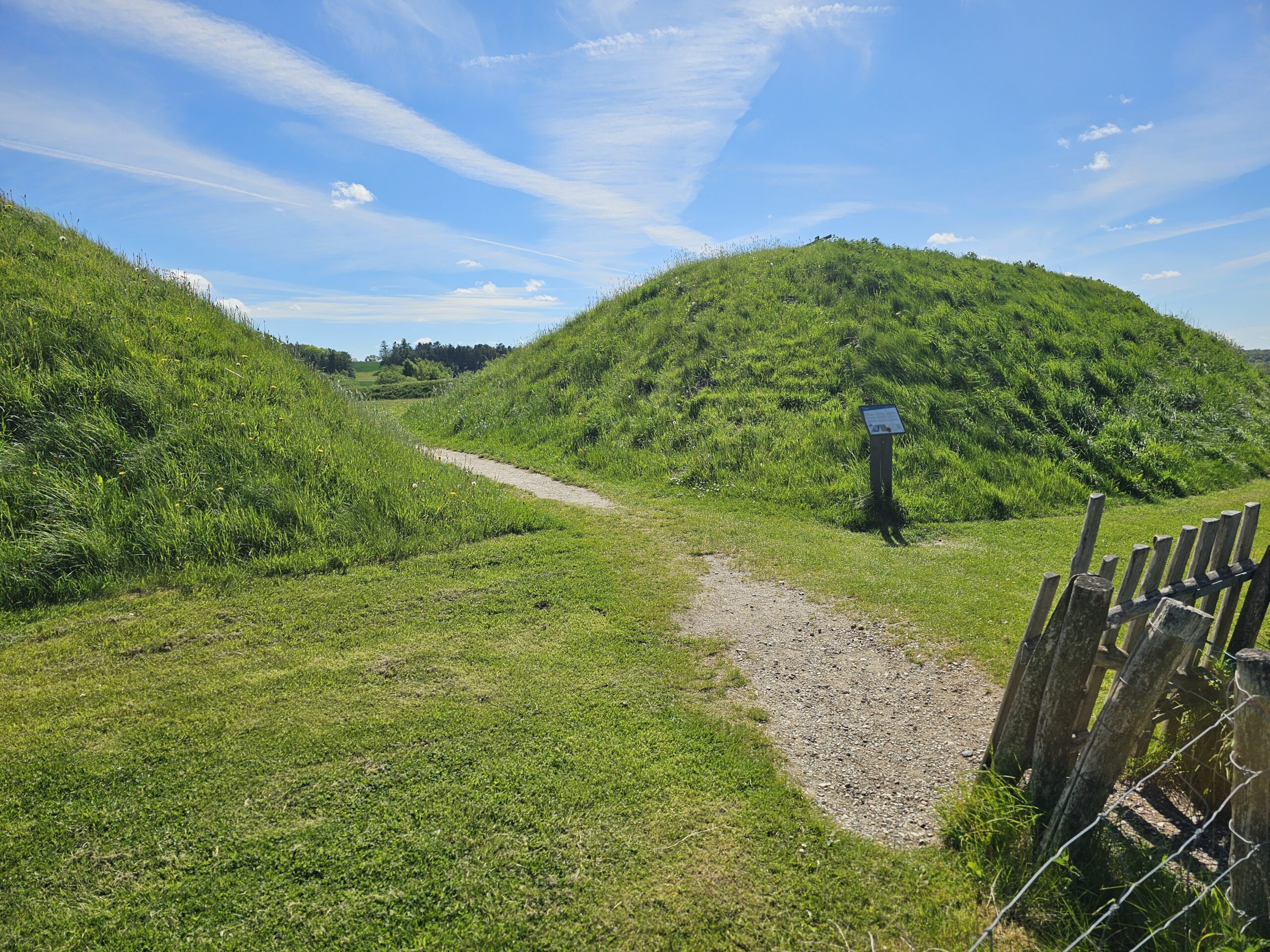
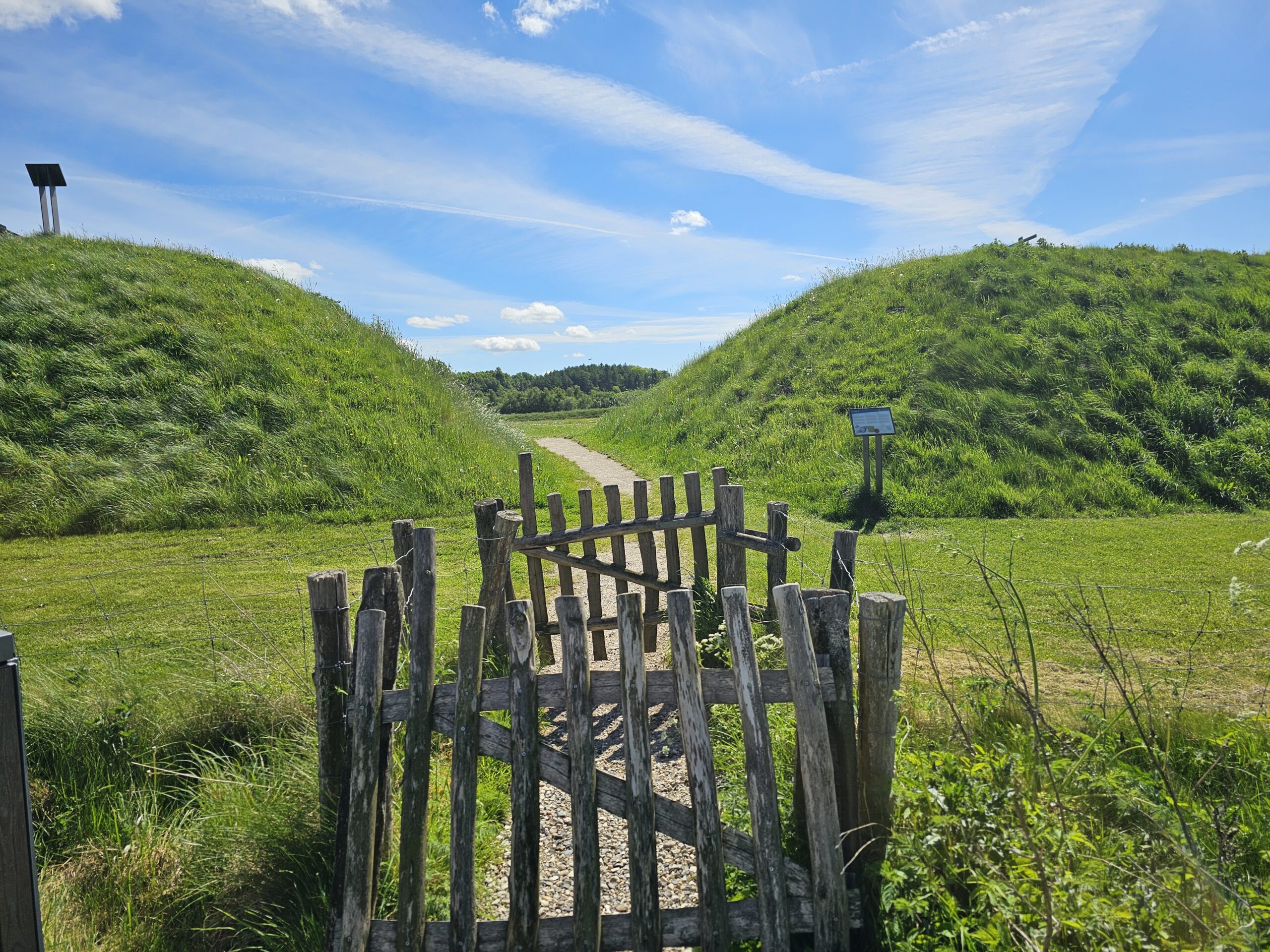
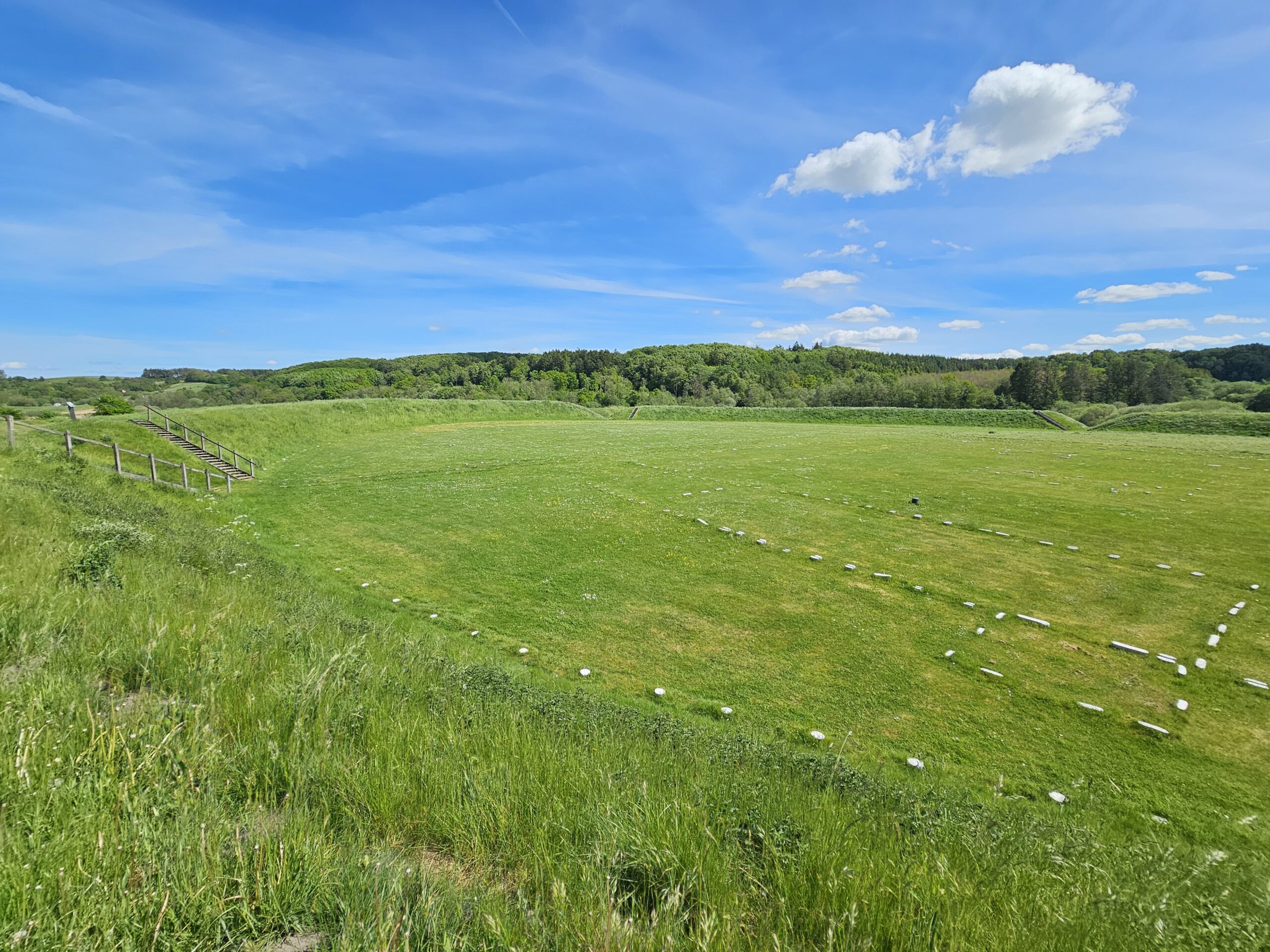
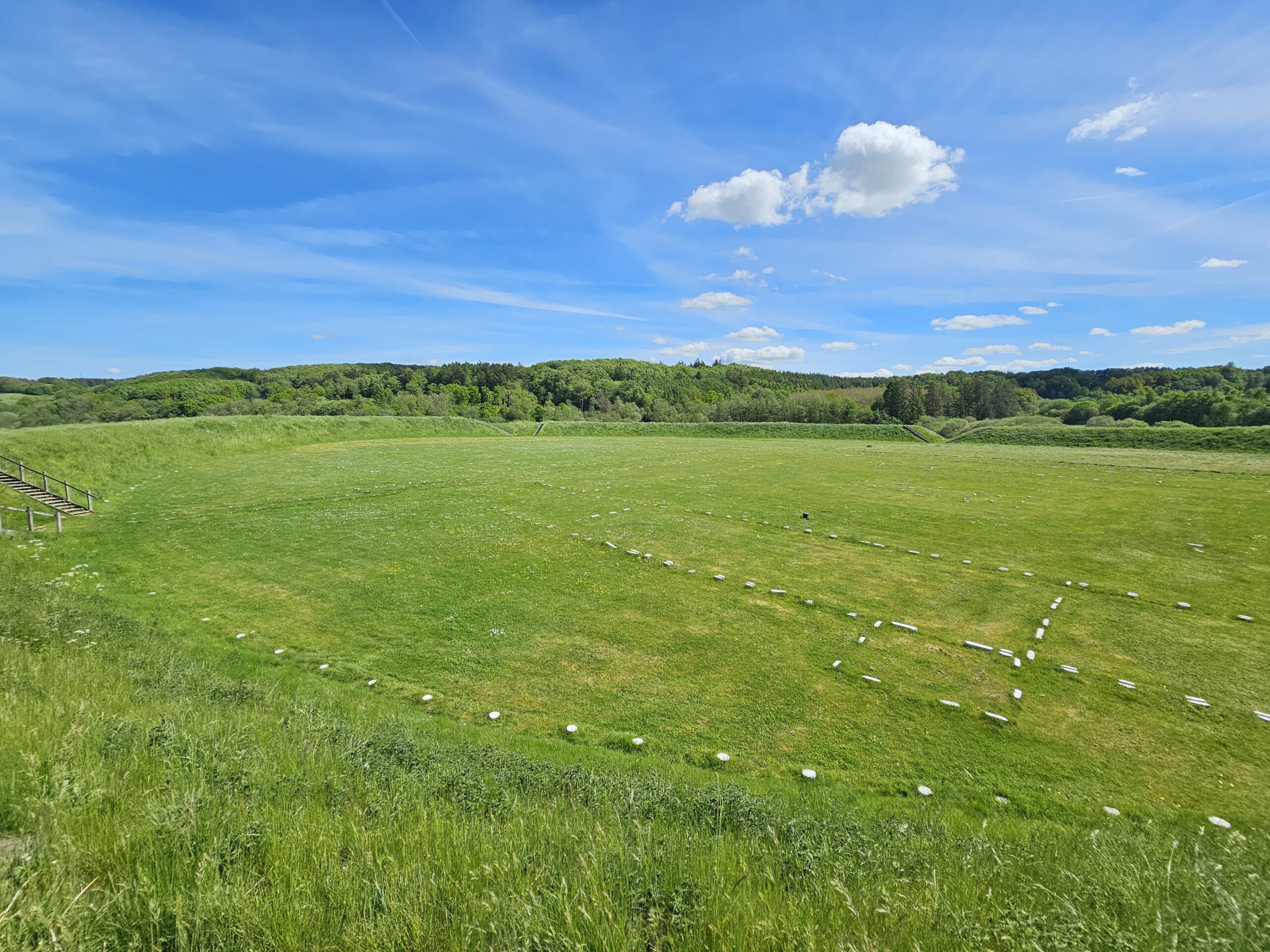
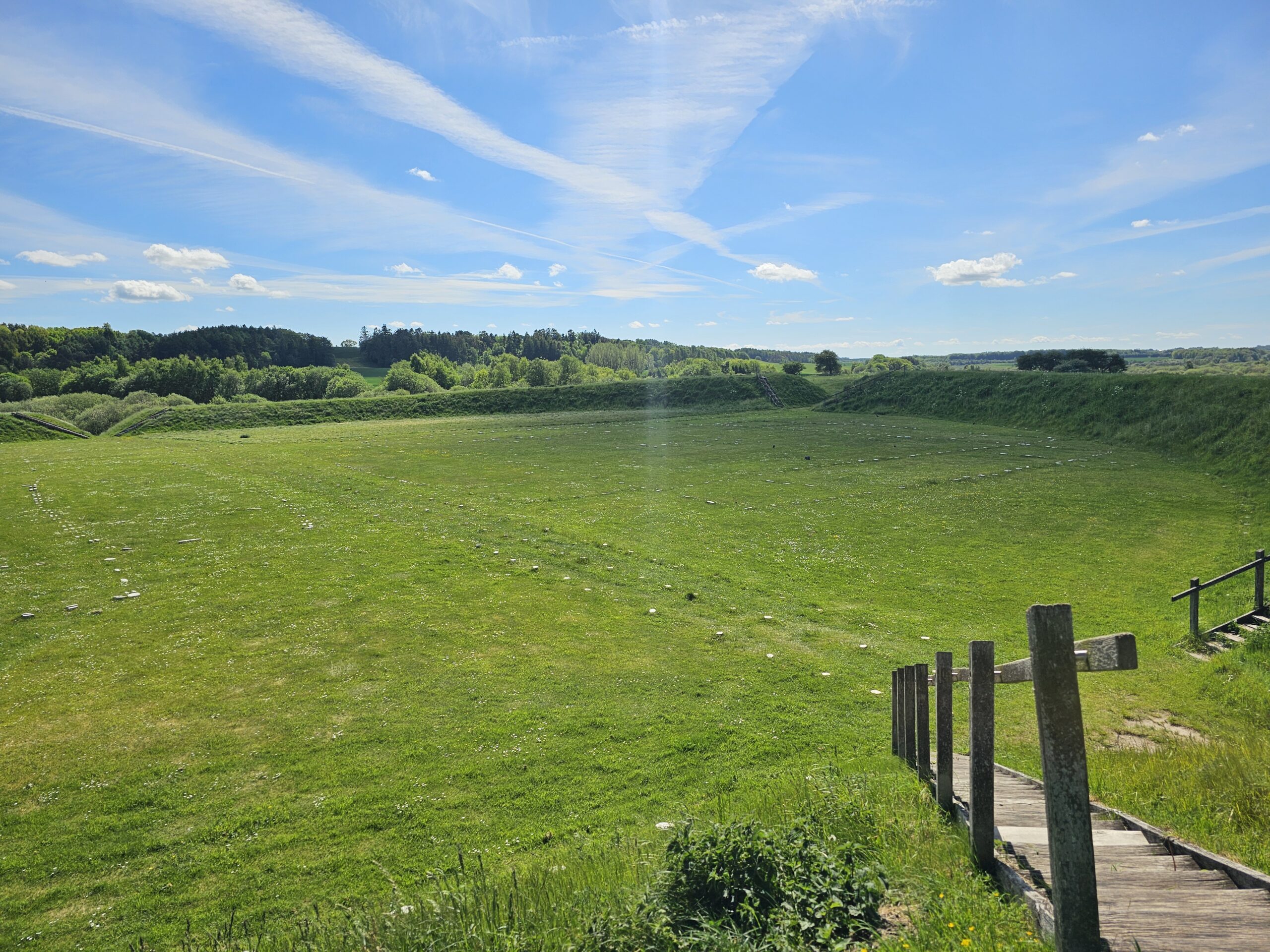
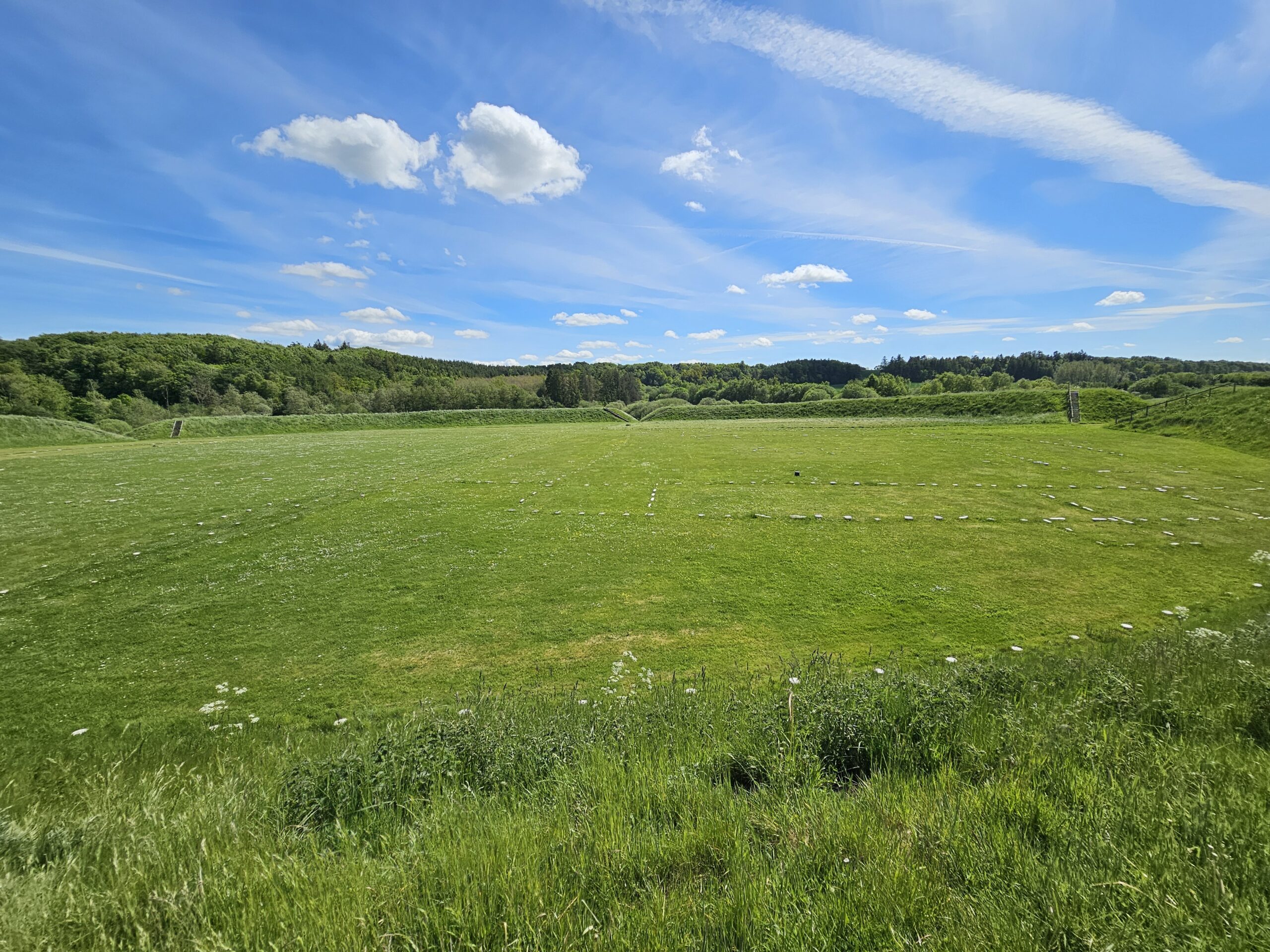
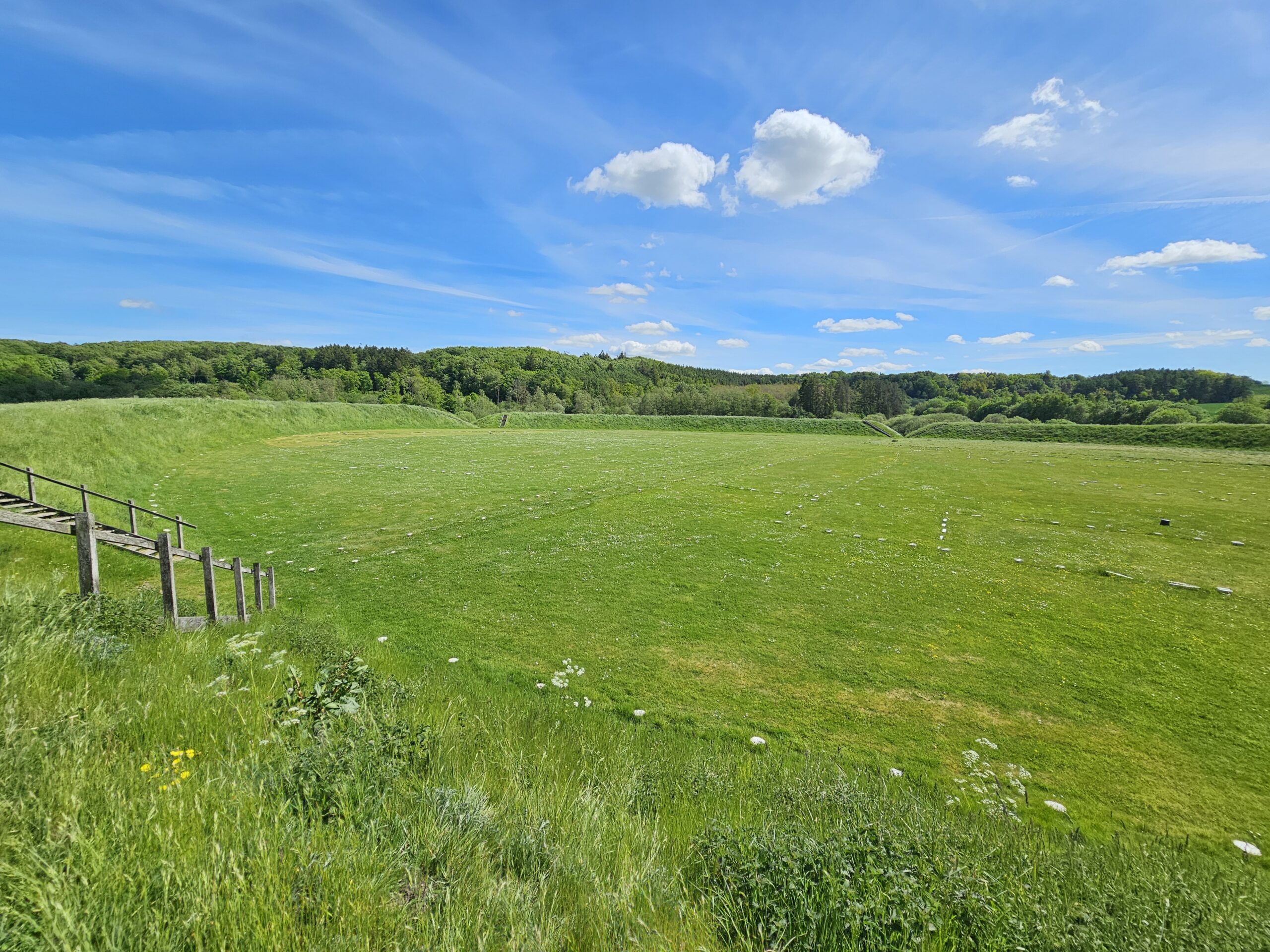
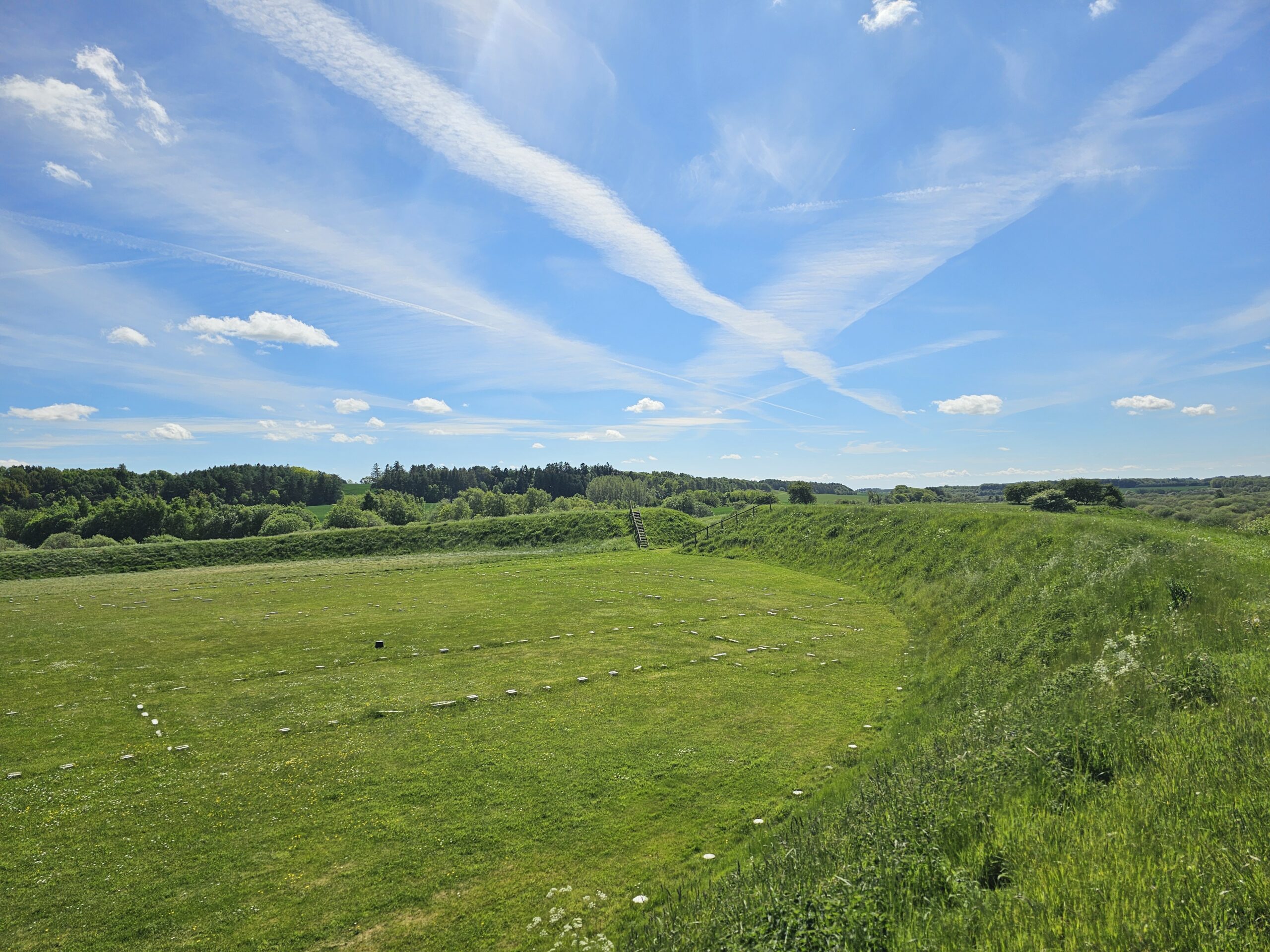
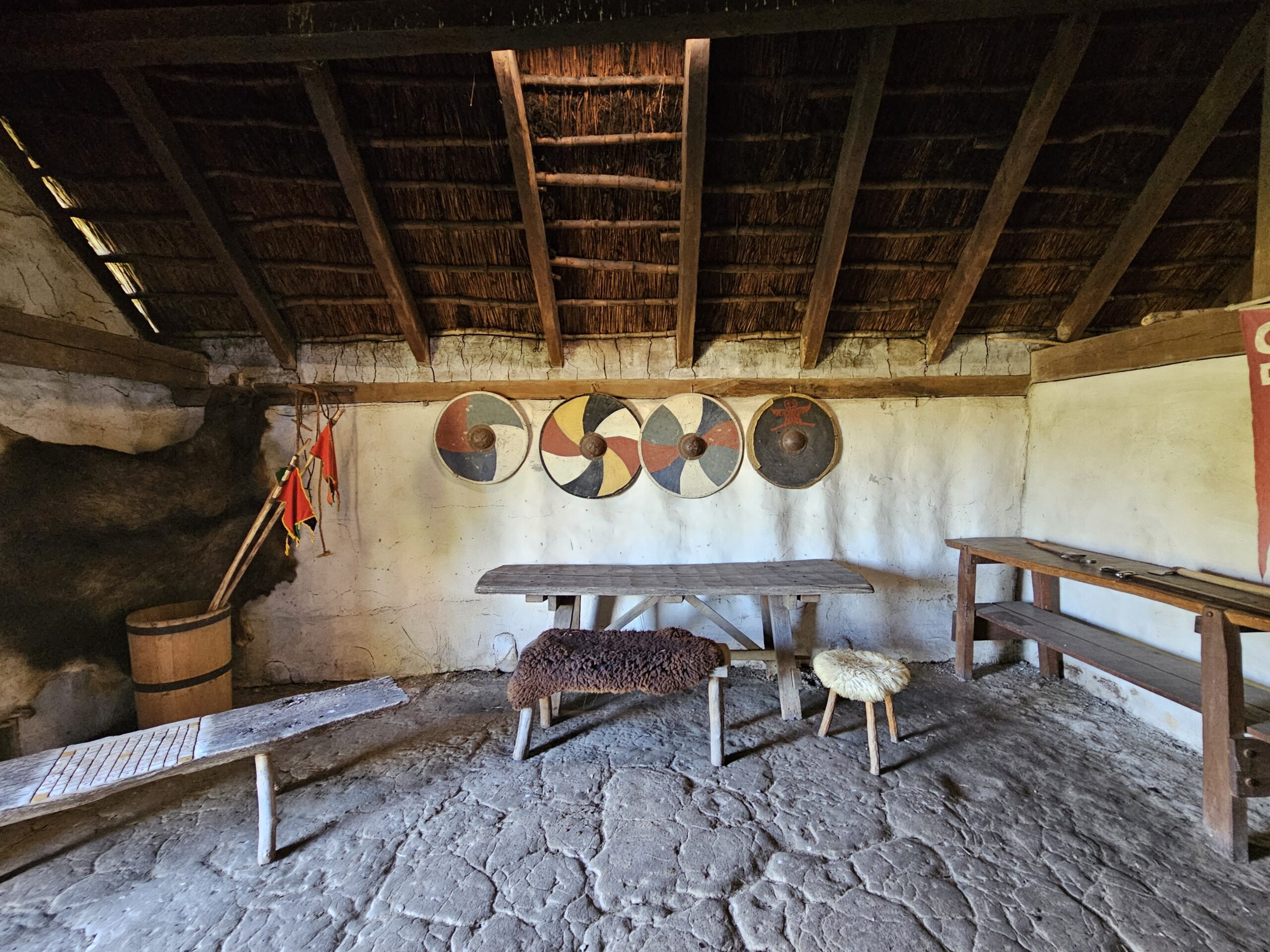
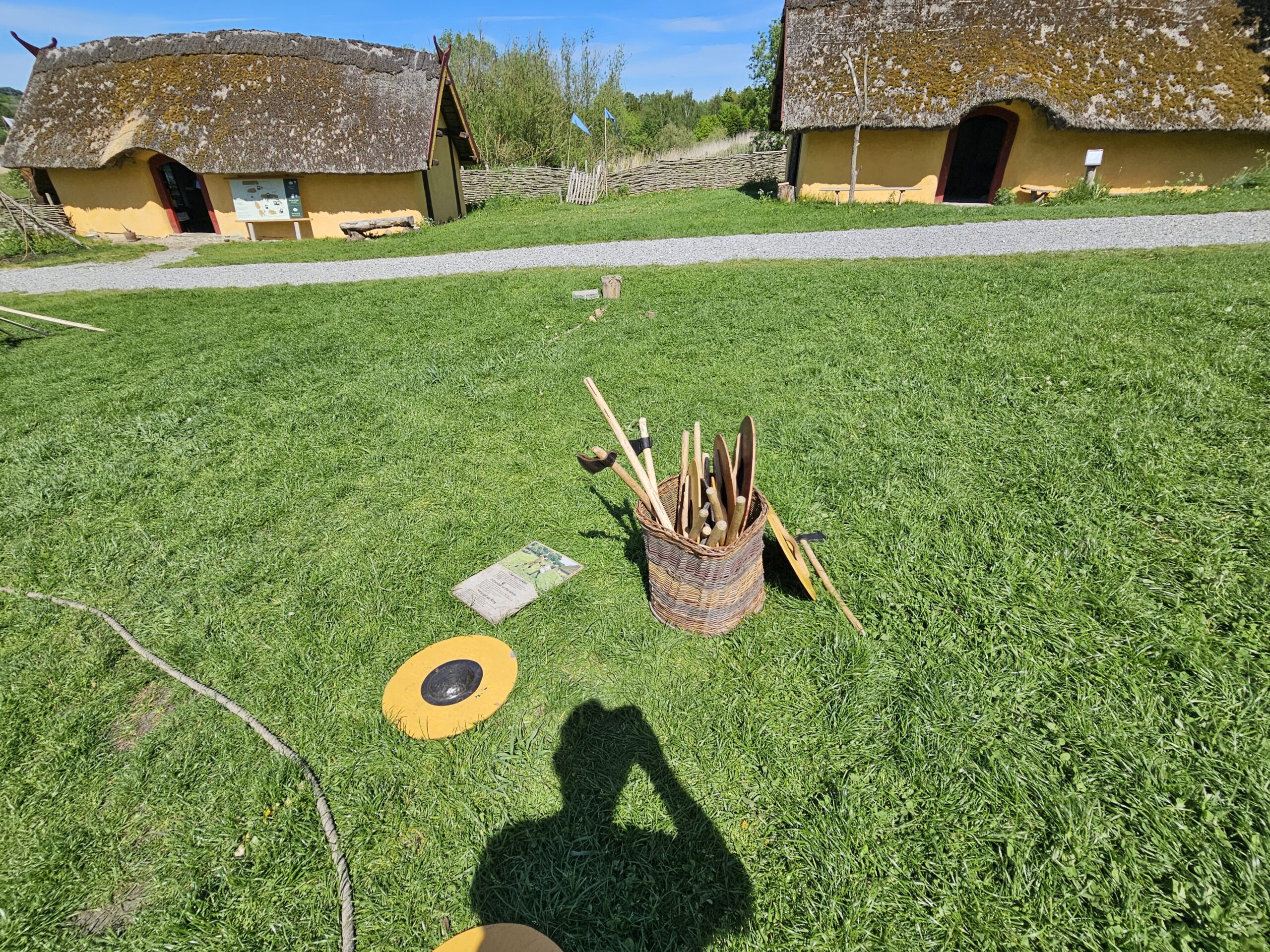
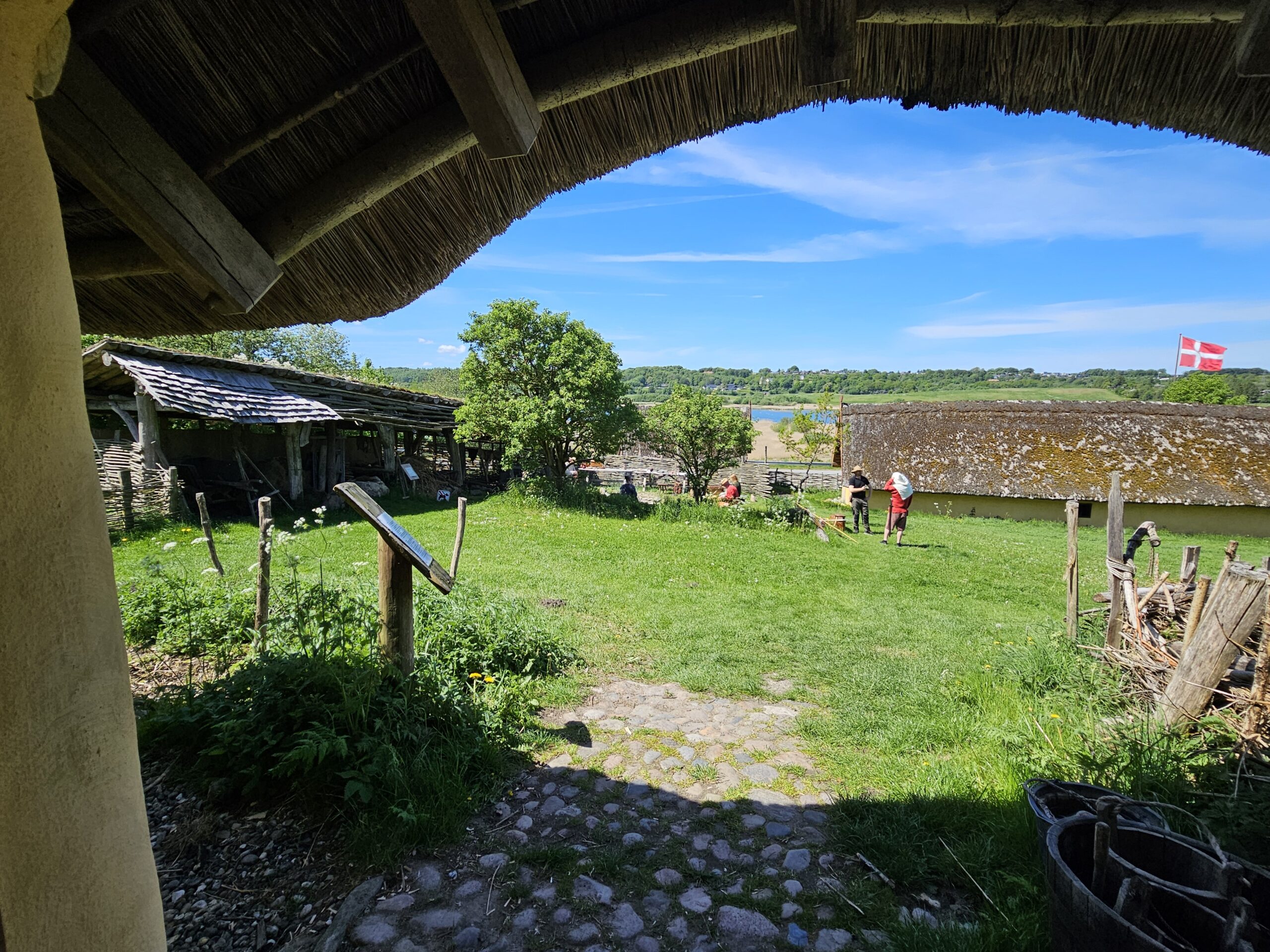
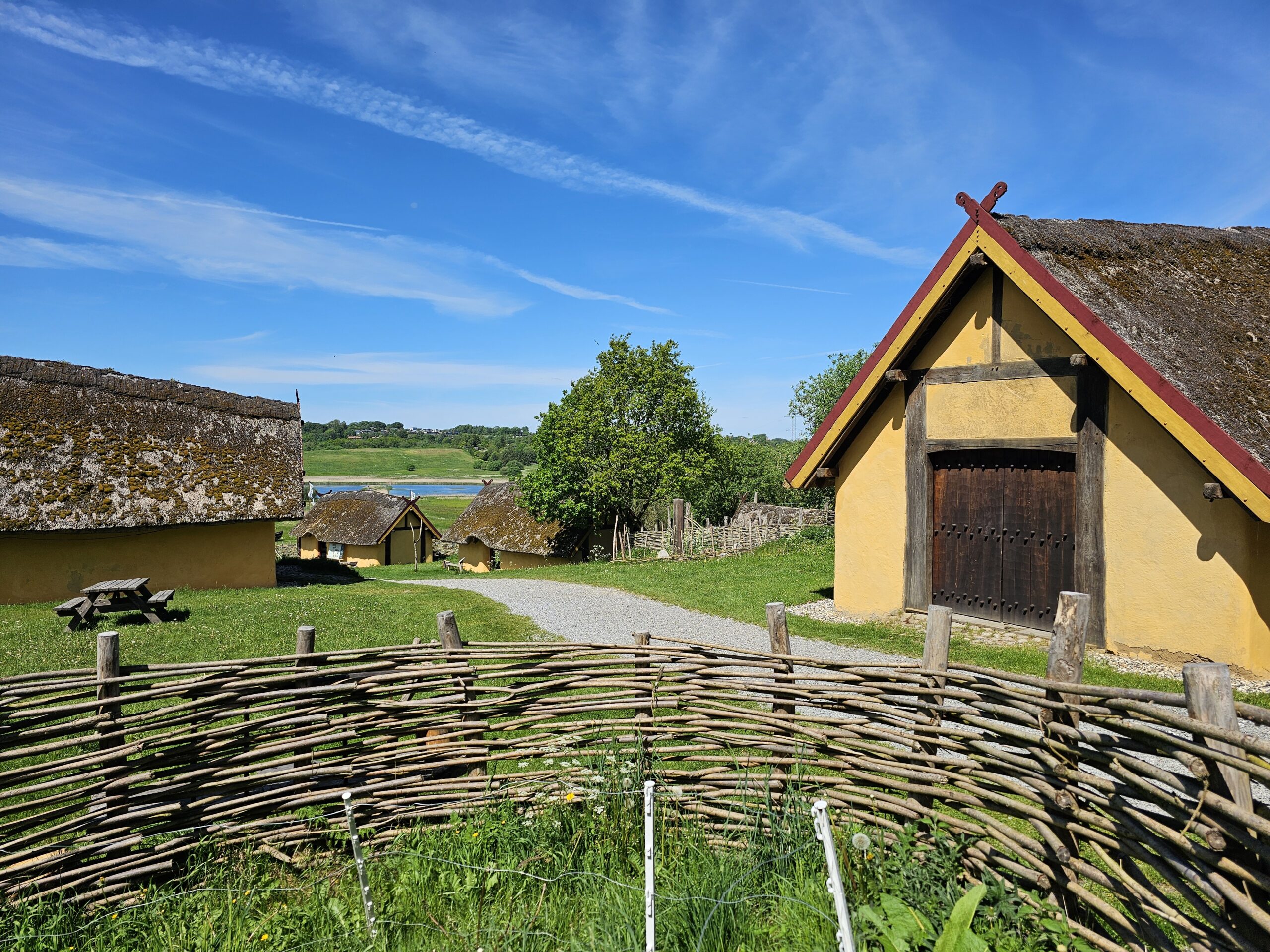
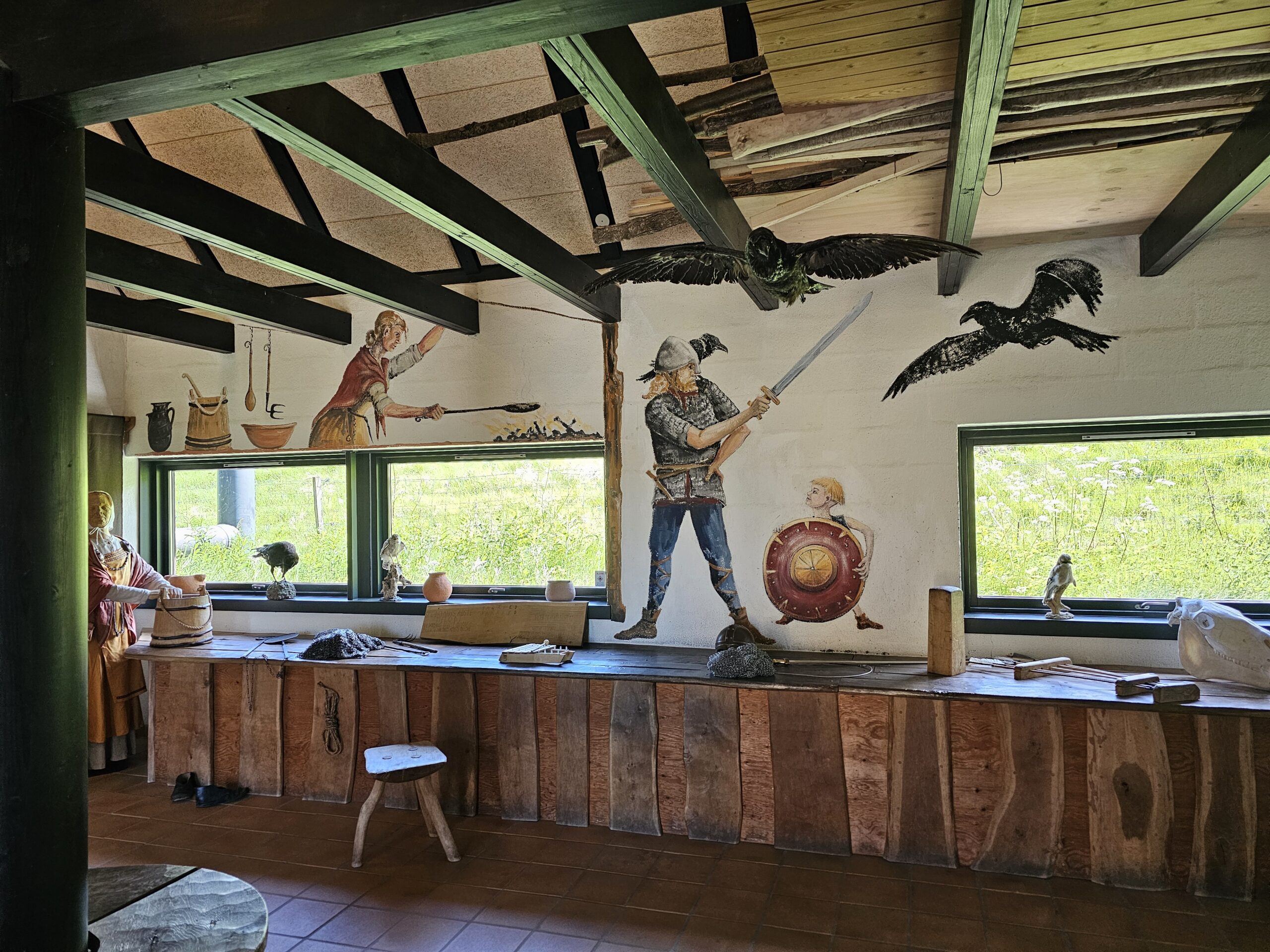
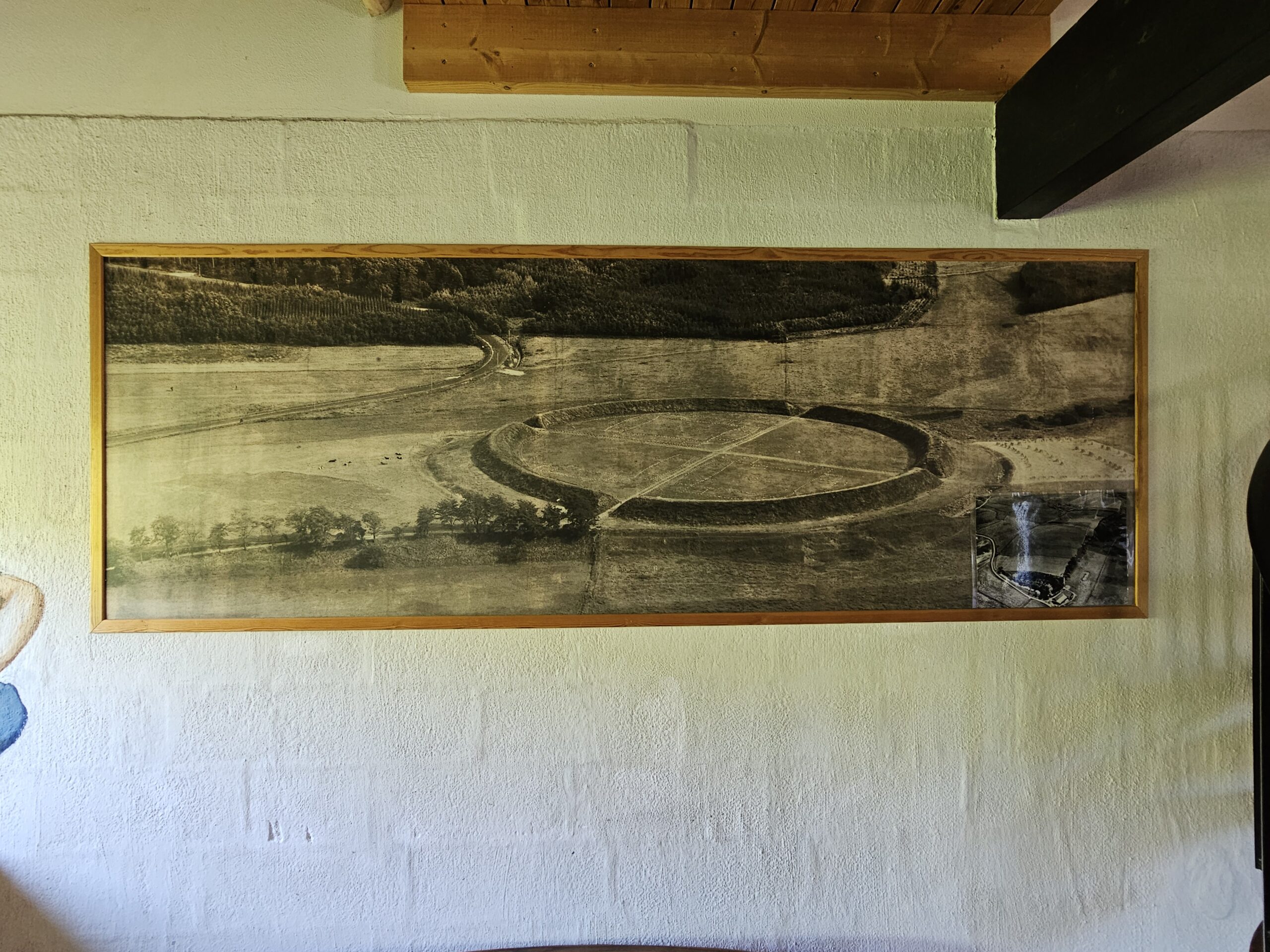
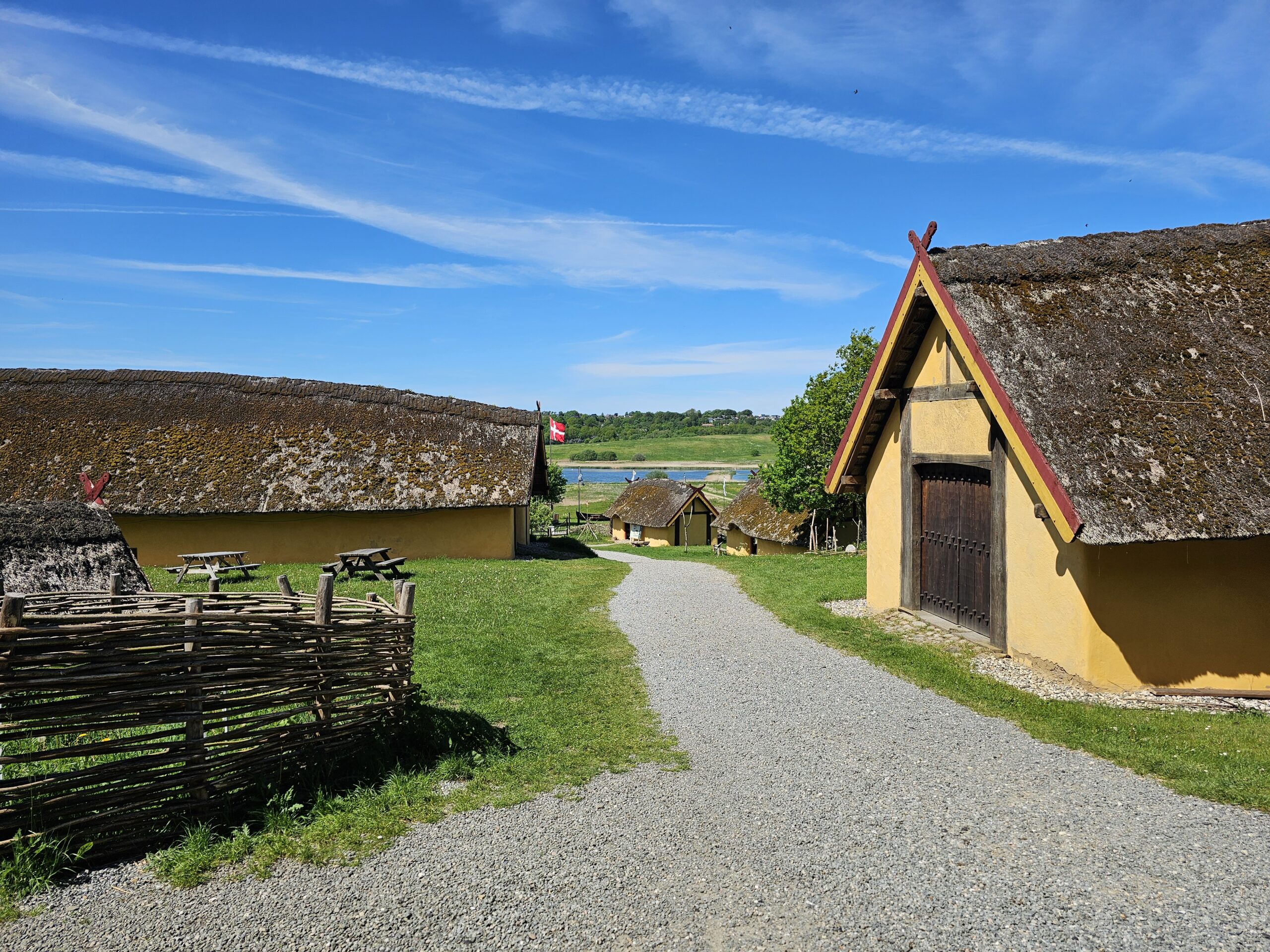
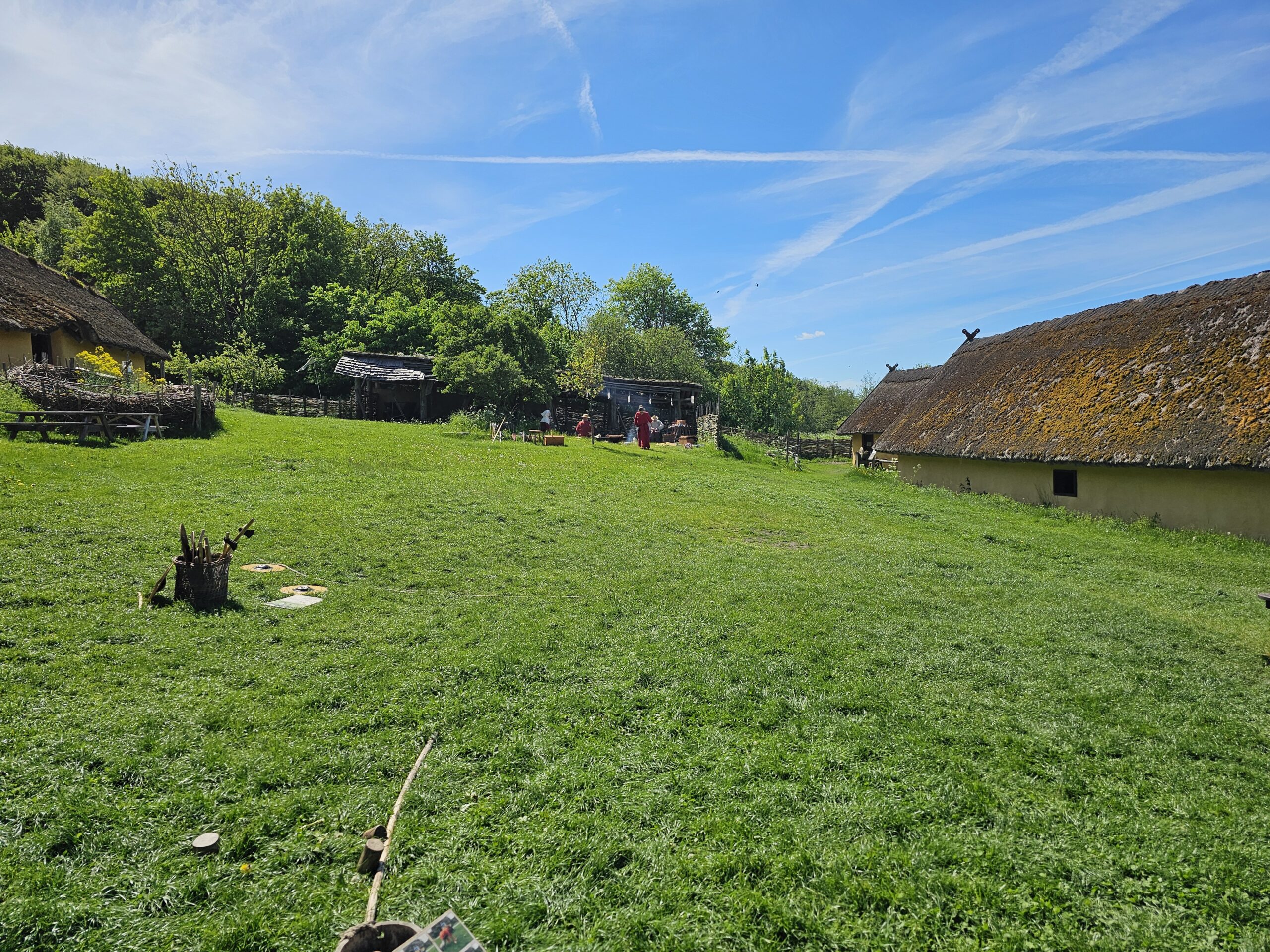
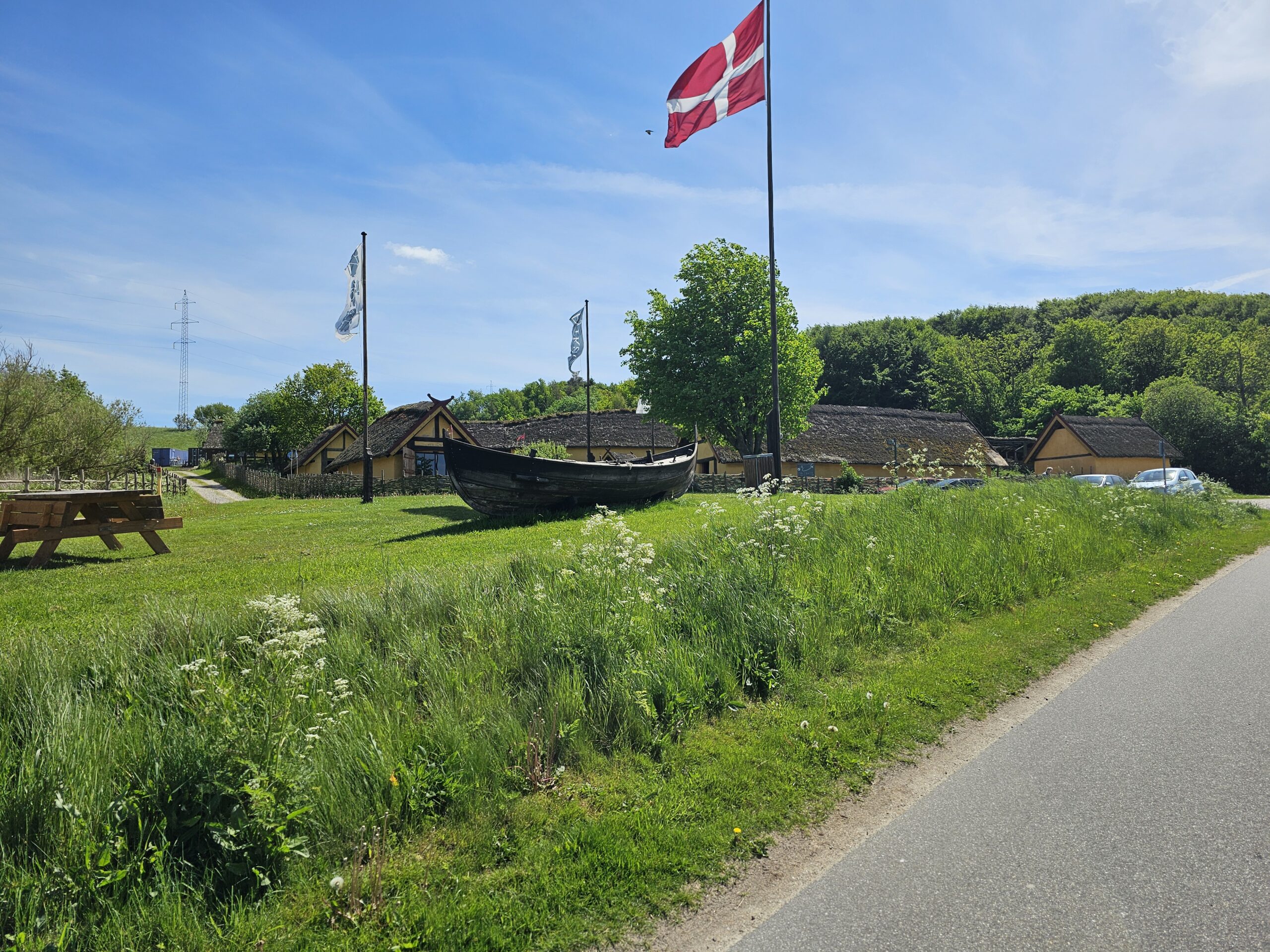
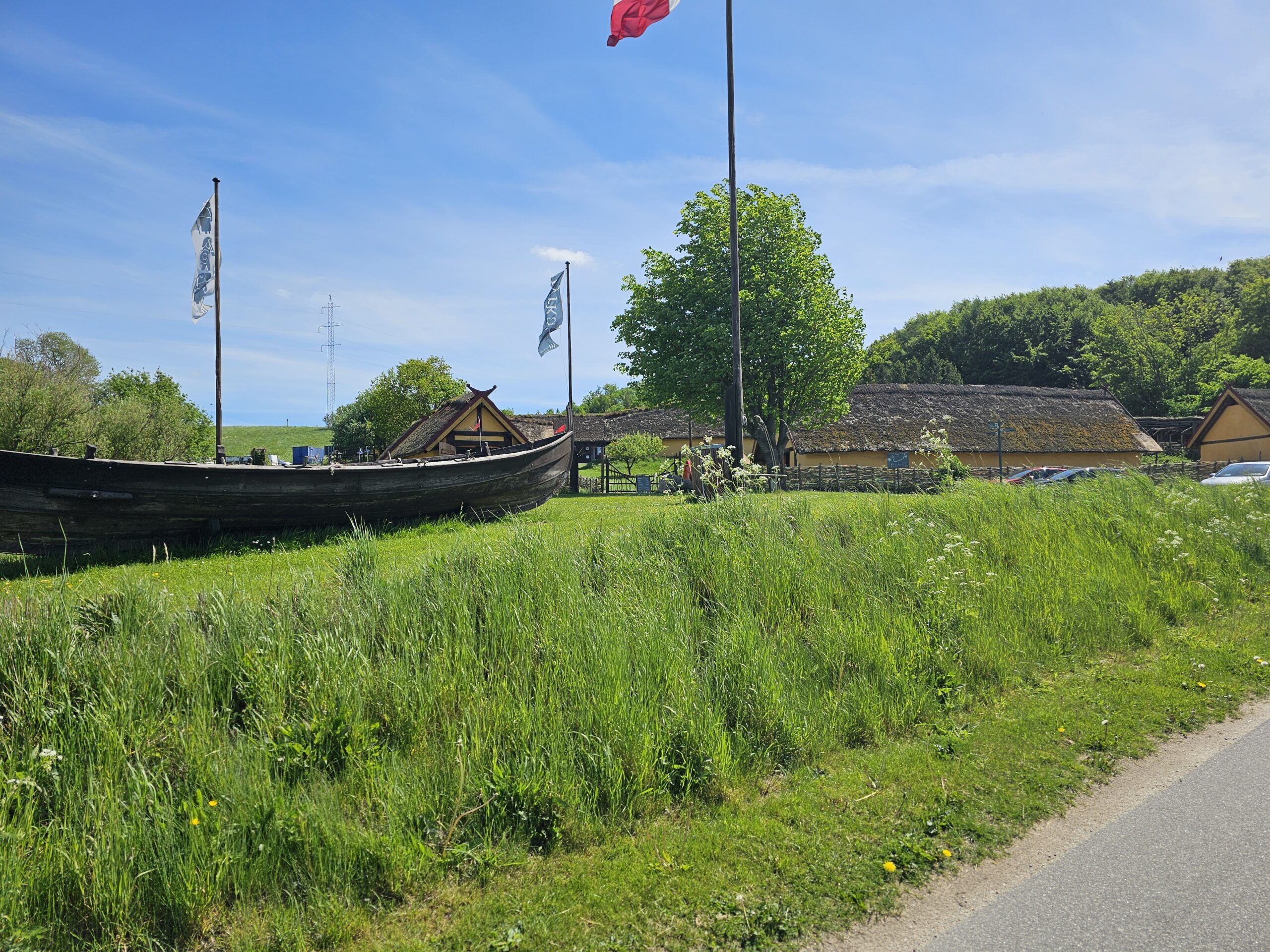
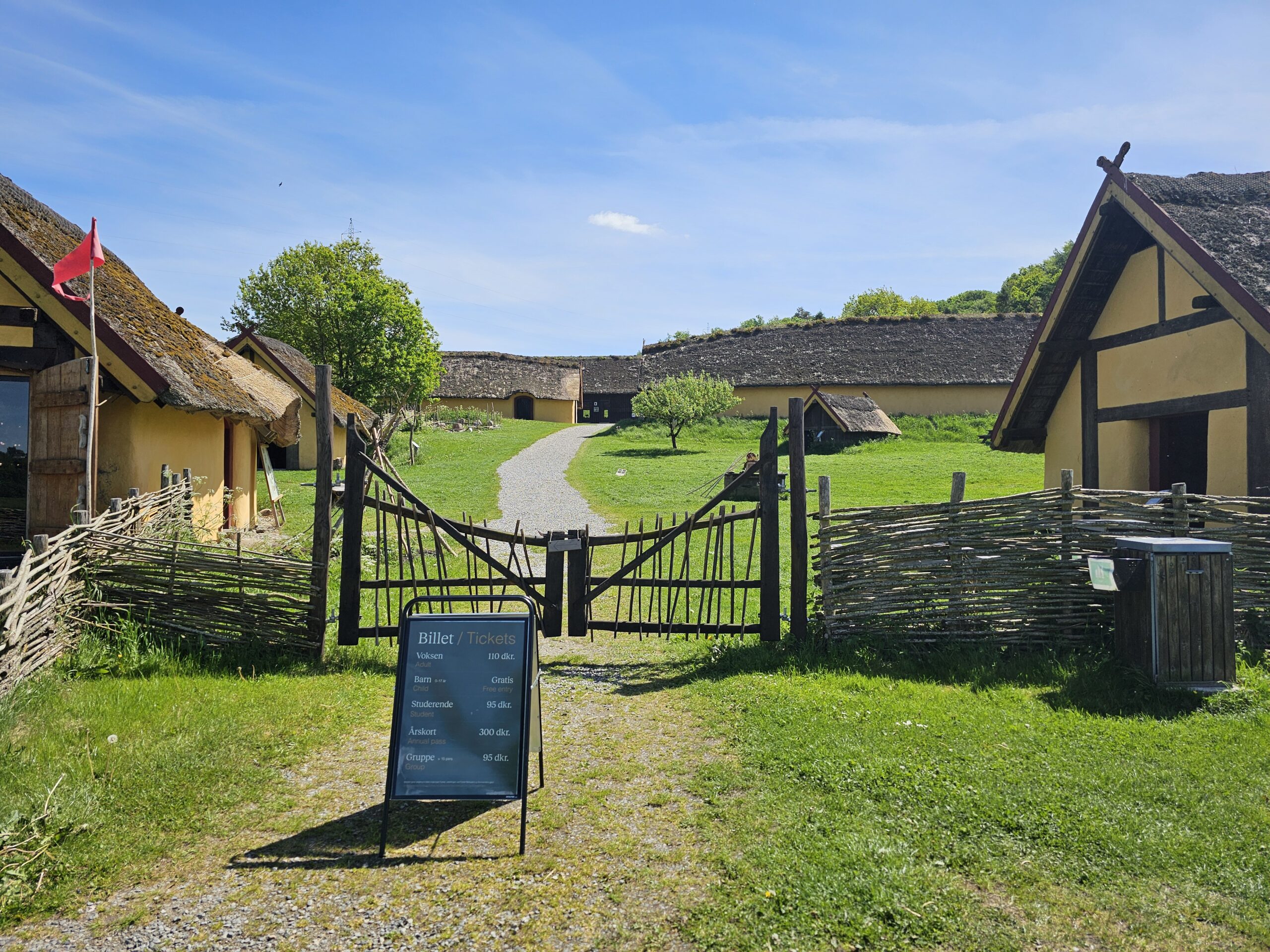
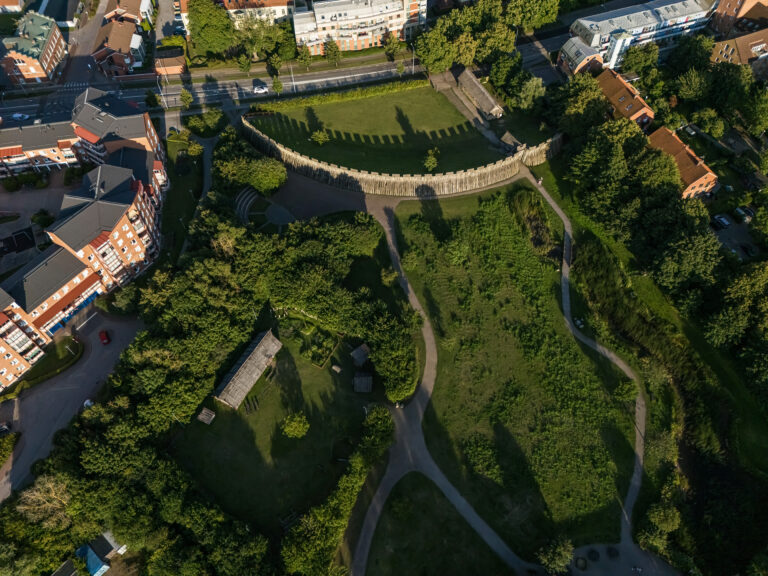
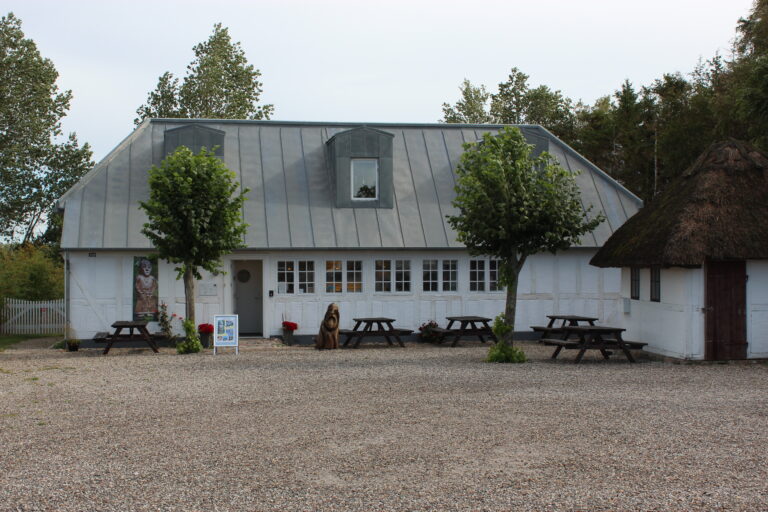
Visitors approaching the Viking Museum Fyrkat are greeted by a structure that naturally complements its historic setting, blending modern exhibition spaces with the surrounding rural landscape. The museum is adjacent to the actual archaeological site of the Fyrkat fortress, where the circular ramparts can still be discerned, providing a tangible connection between the present and the Viking past. Upon entry, the initial impression is one of careful curation and a focus on authenticity, with well-preserved artefacts and reconstructions displayed prominently. The spacious, well-lit interior welcomes visitors into an environment that balances educational content with engaging aesthetics. From standing exhibits of reconstructed Viking houses to displays of weaponry, tools, and jewelry, the museum deftly introduces the multifaceted nature of Viking culture. The layout encourages an intuitive flow through chronological and thematic sections, ensuring that what visitors see upon arrival sets the tone for a comprehensive exploration of Viking life and legacy.
Highlights and Key Exhibitions
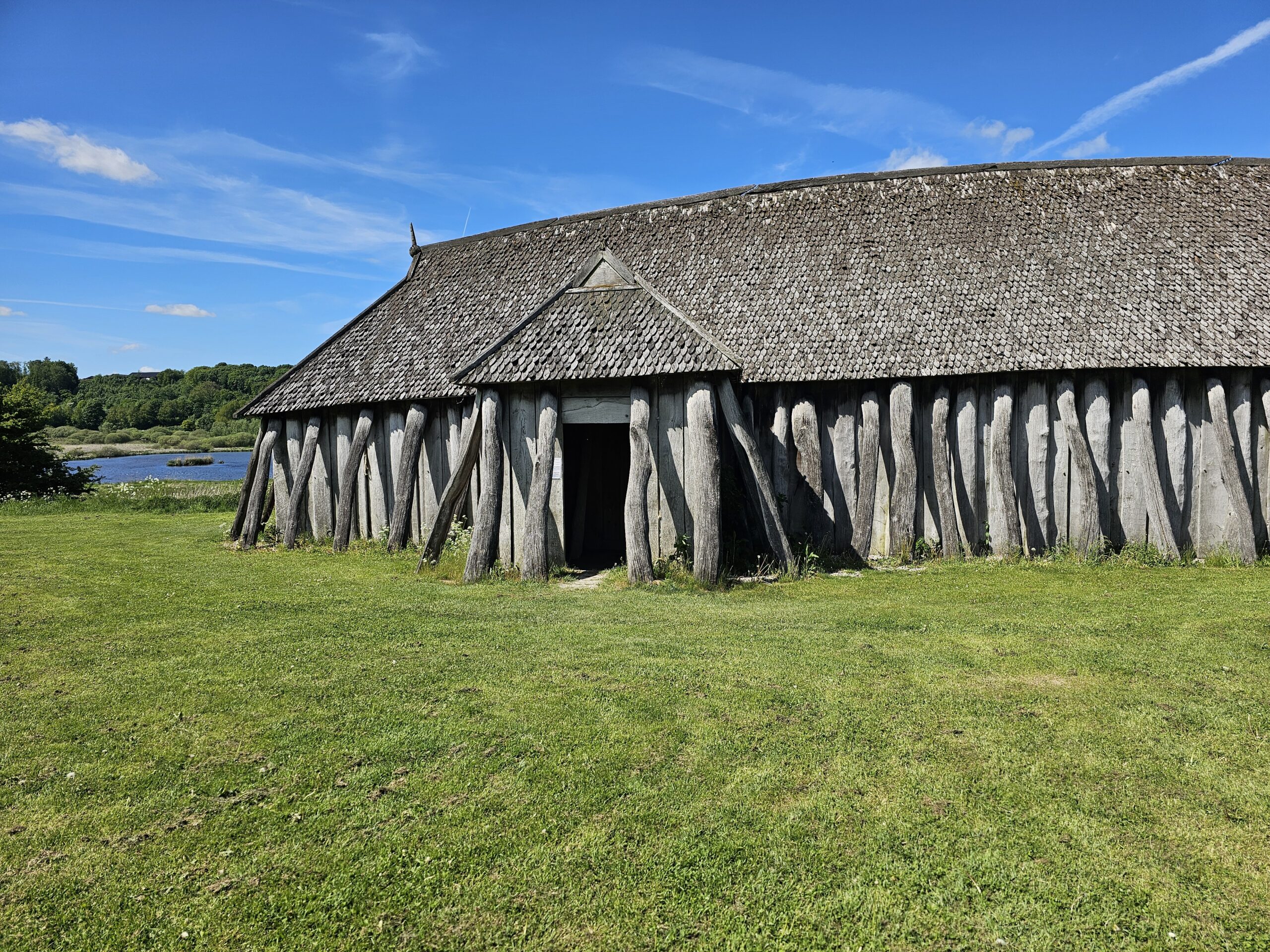
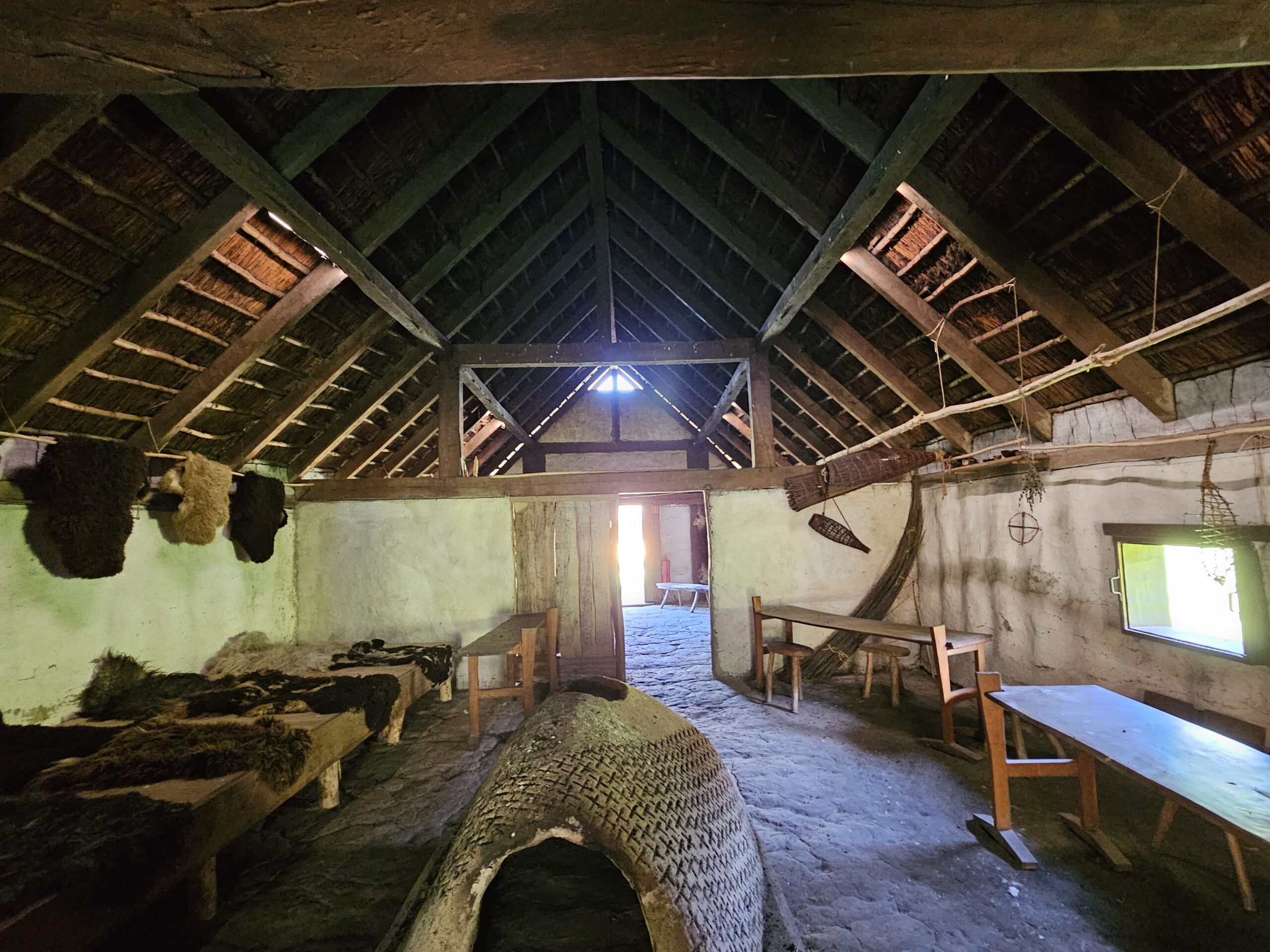
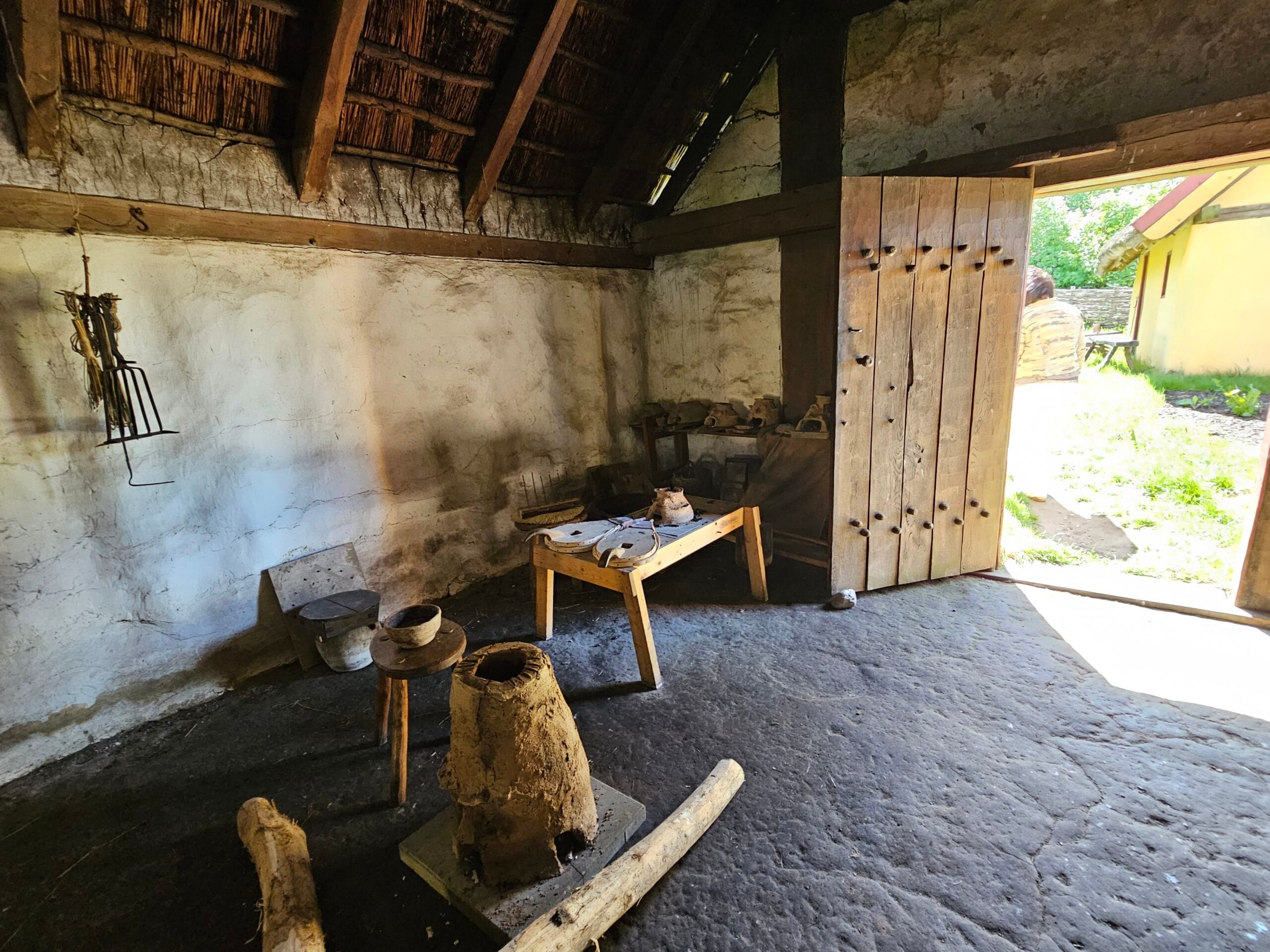
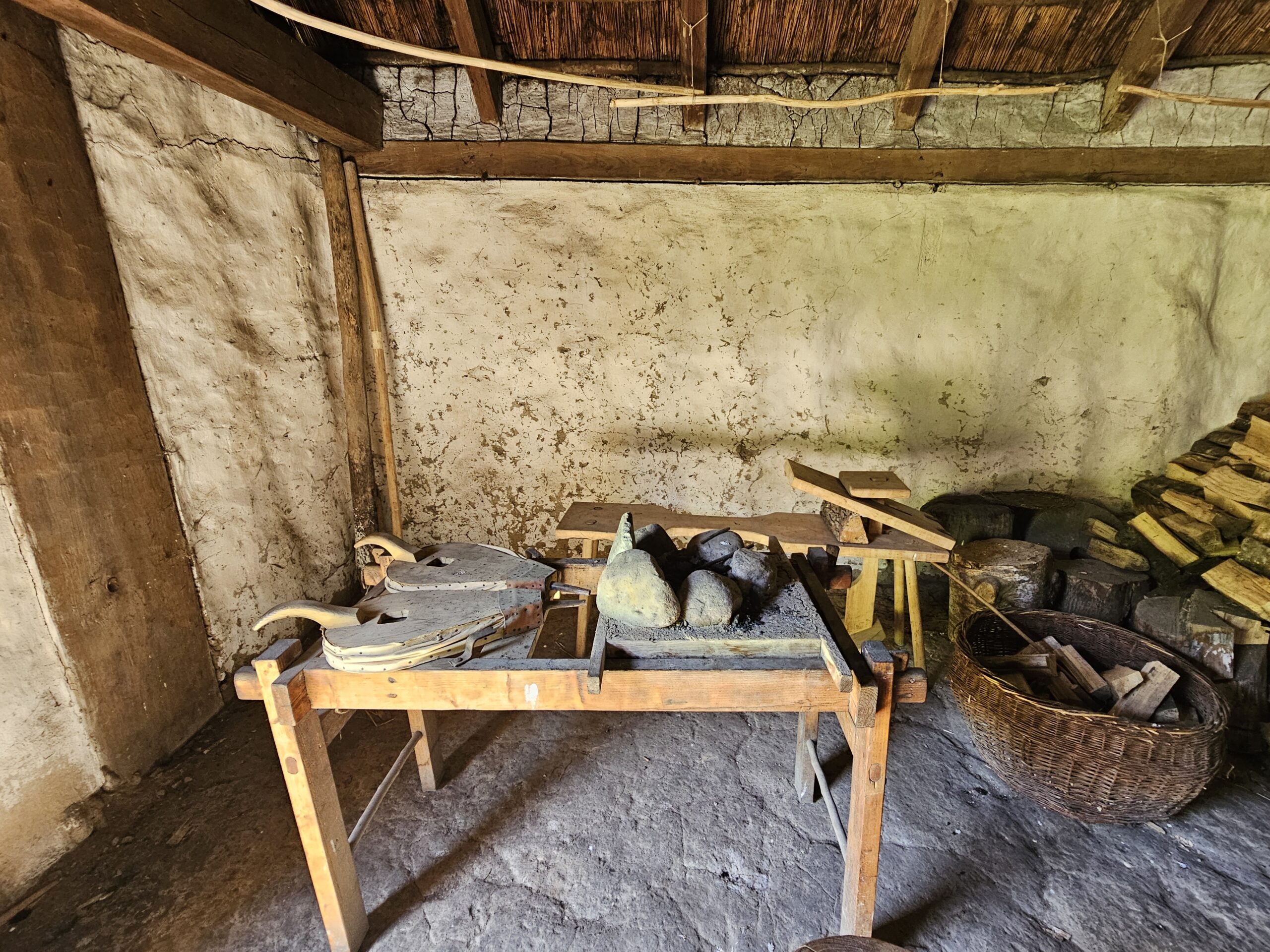
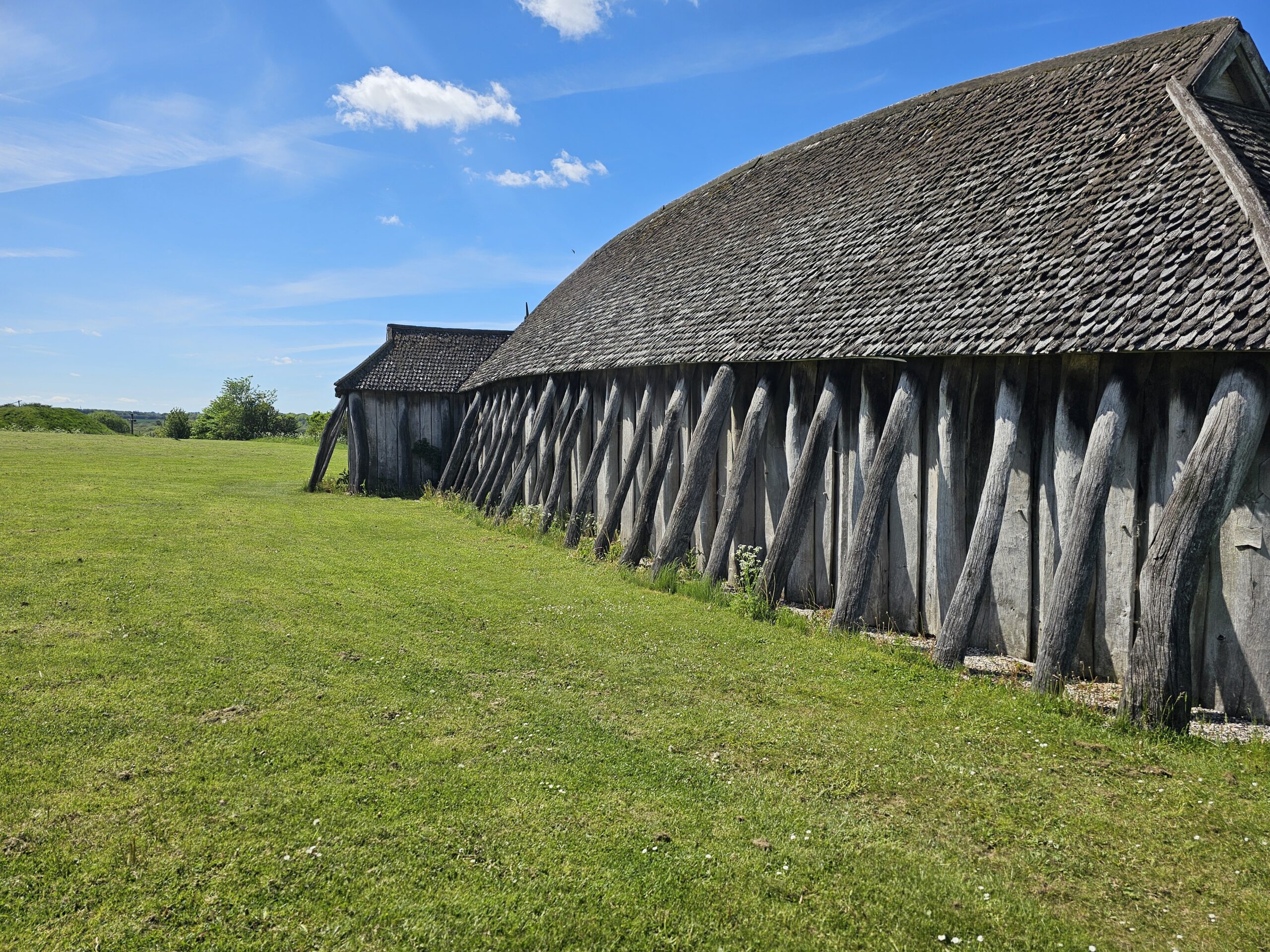
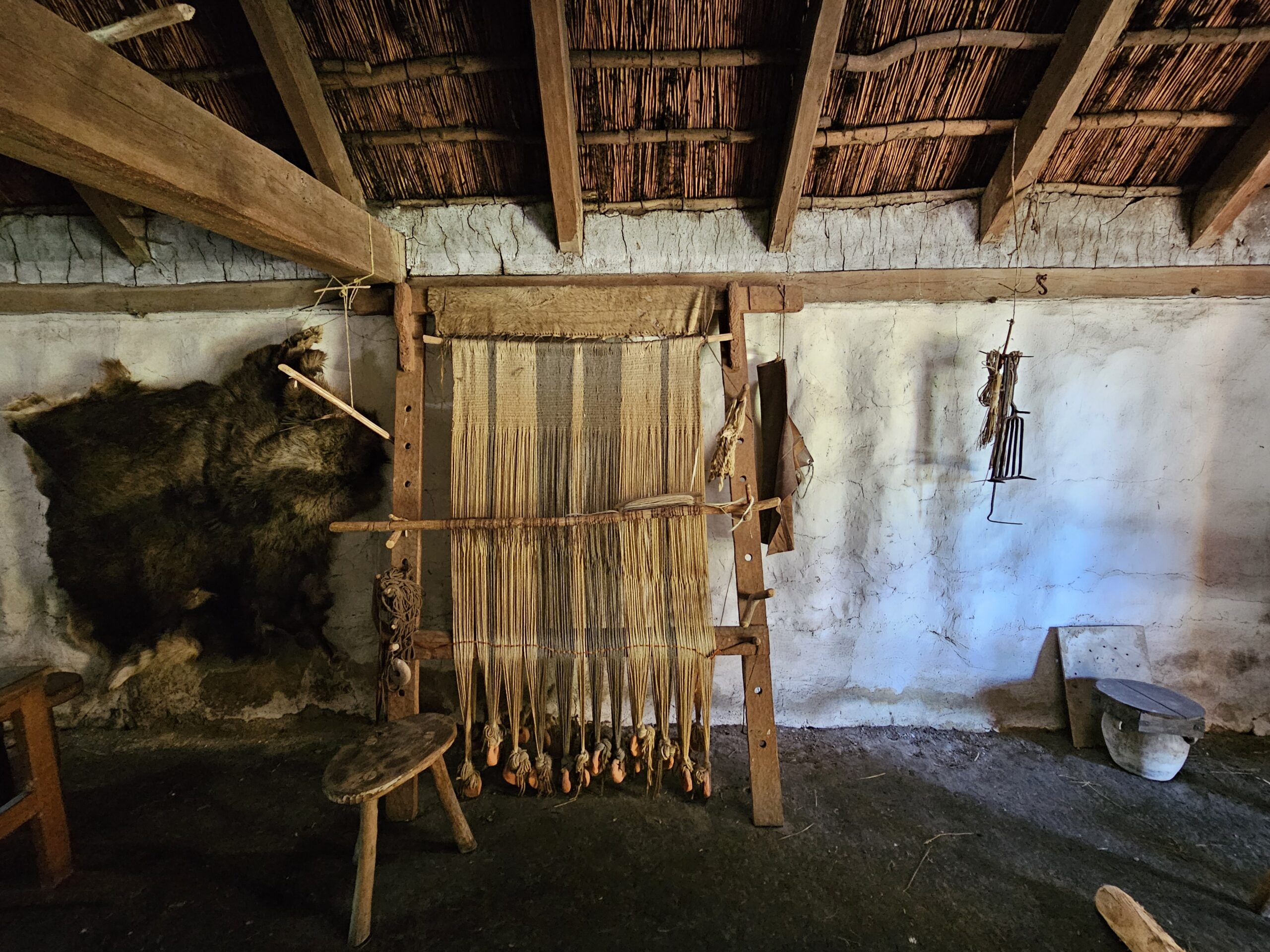
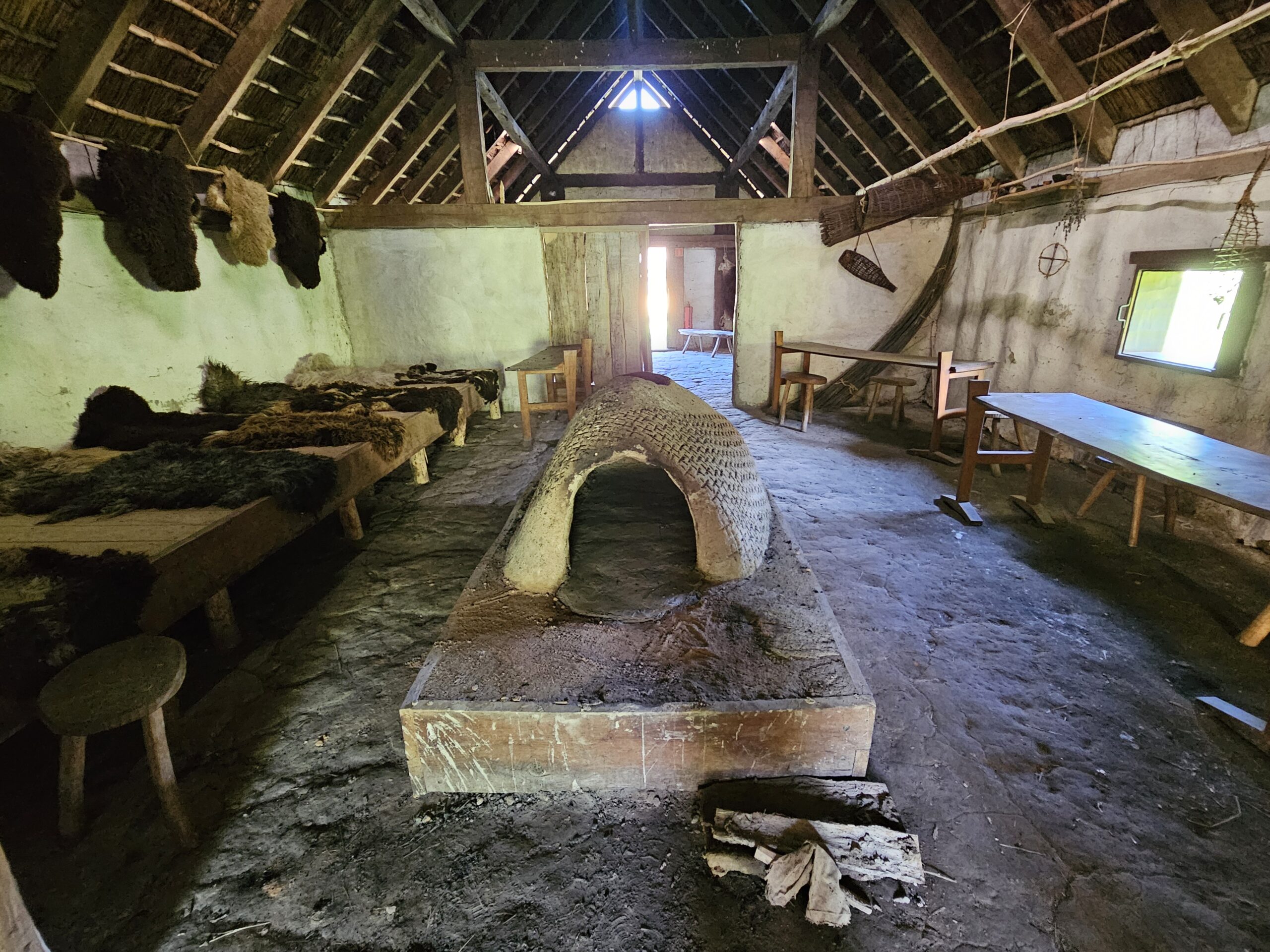
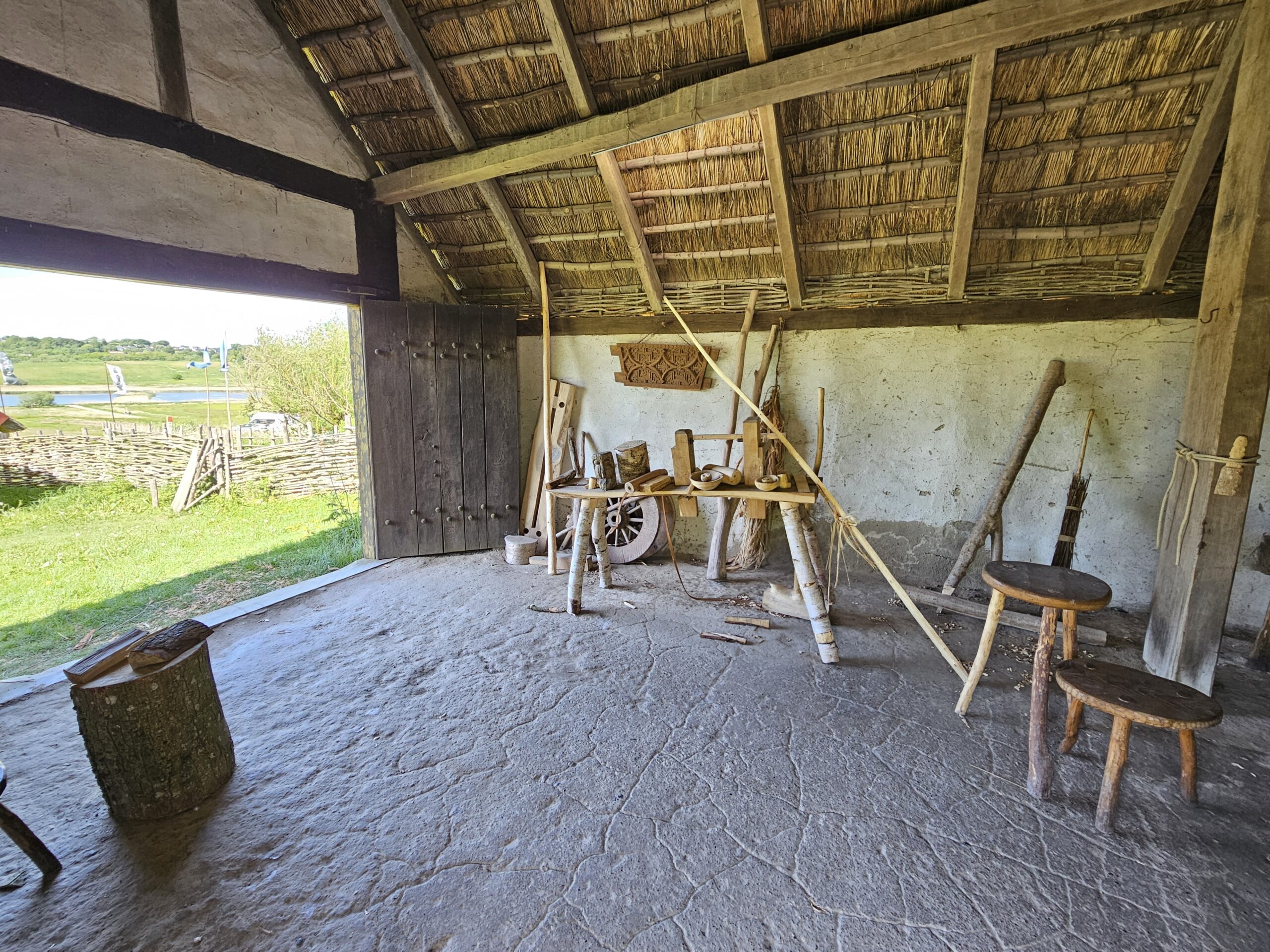
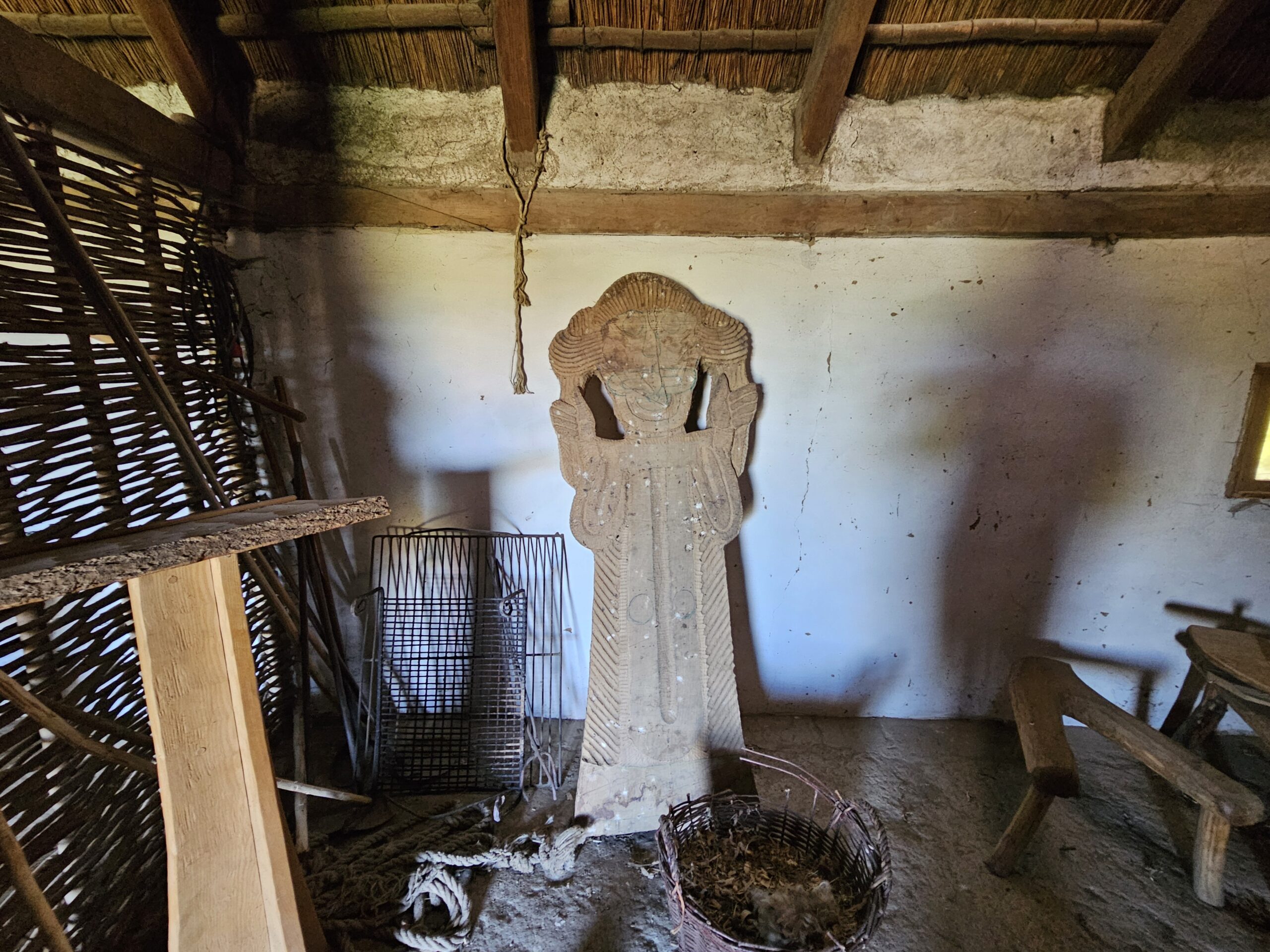
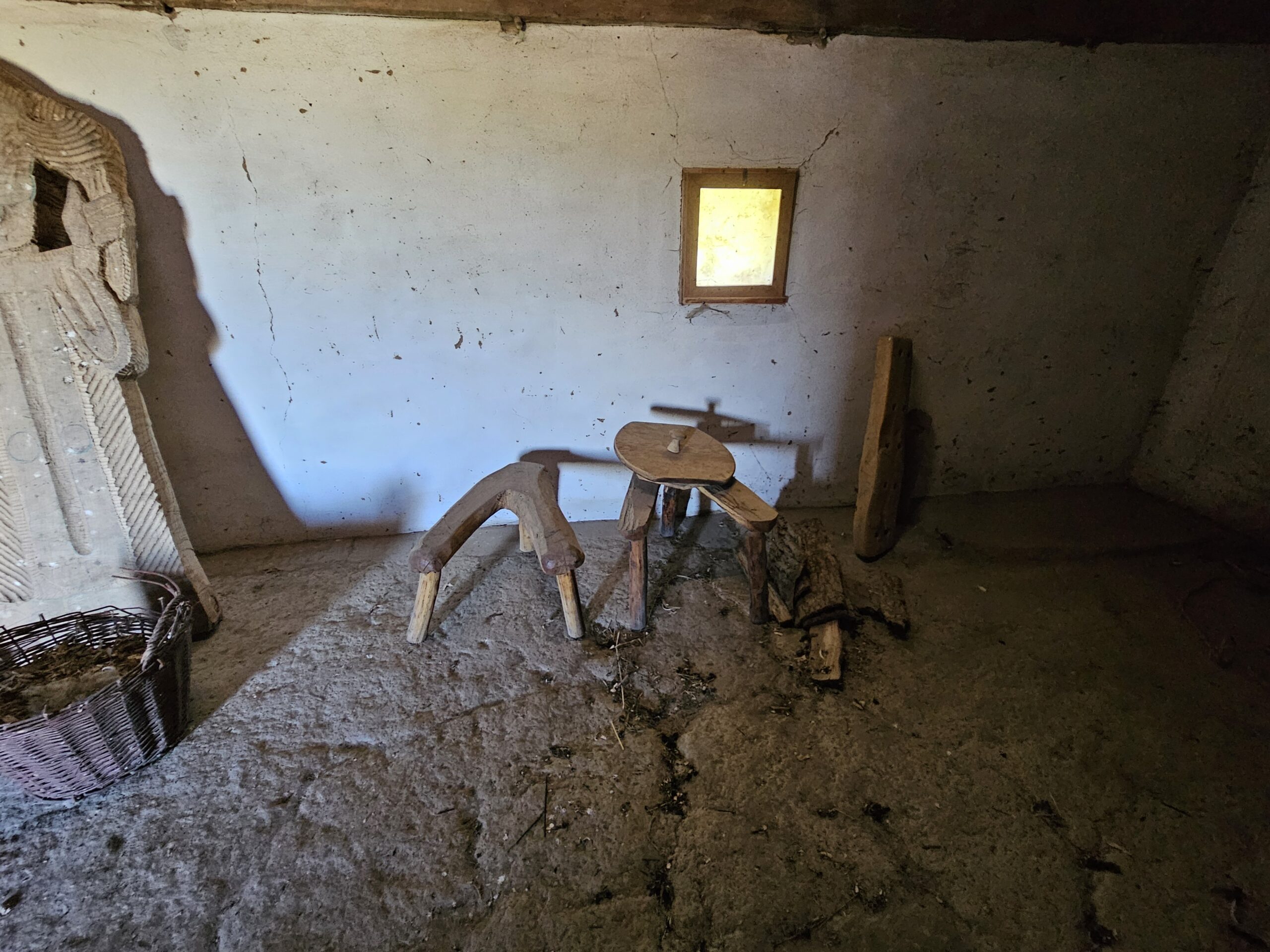
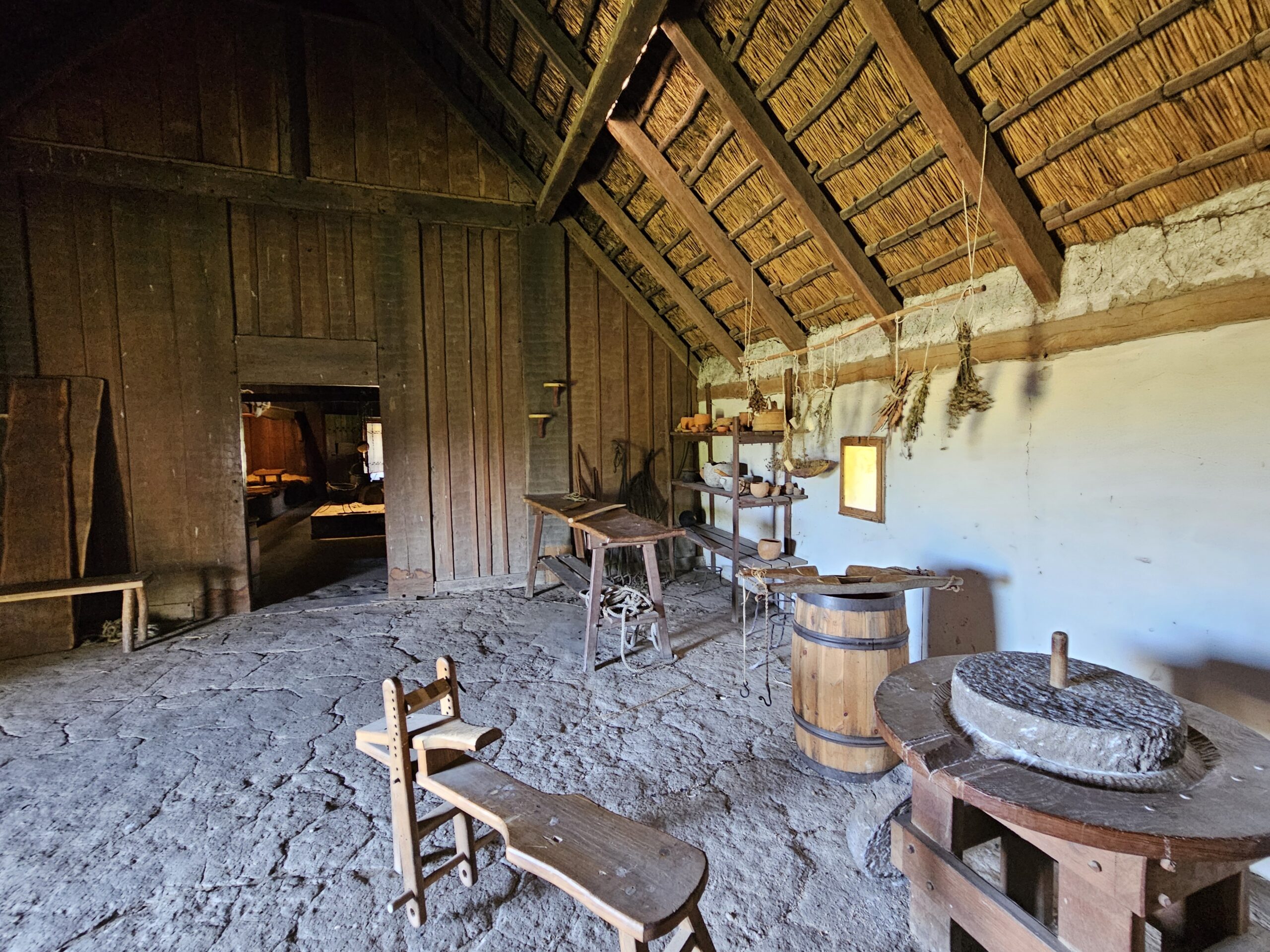
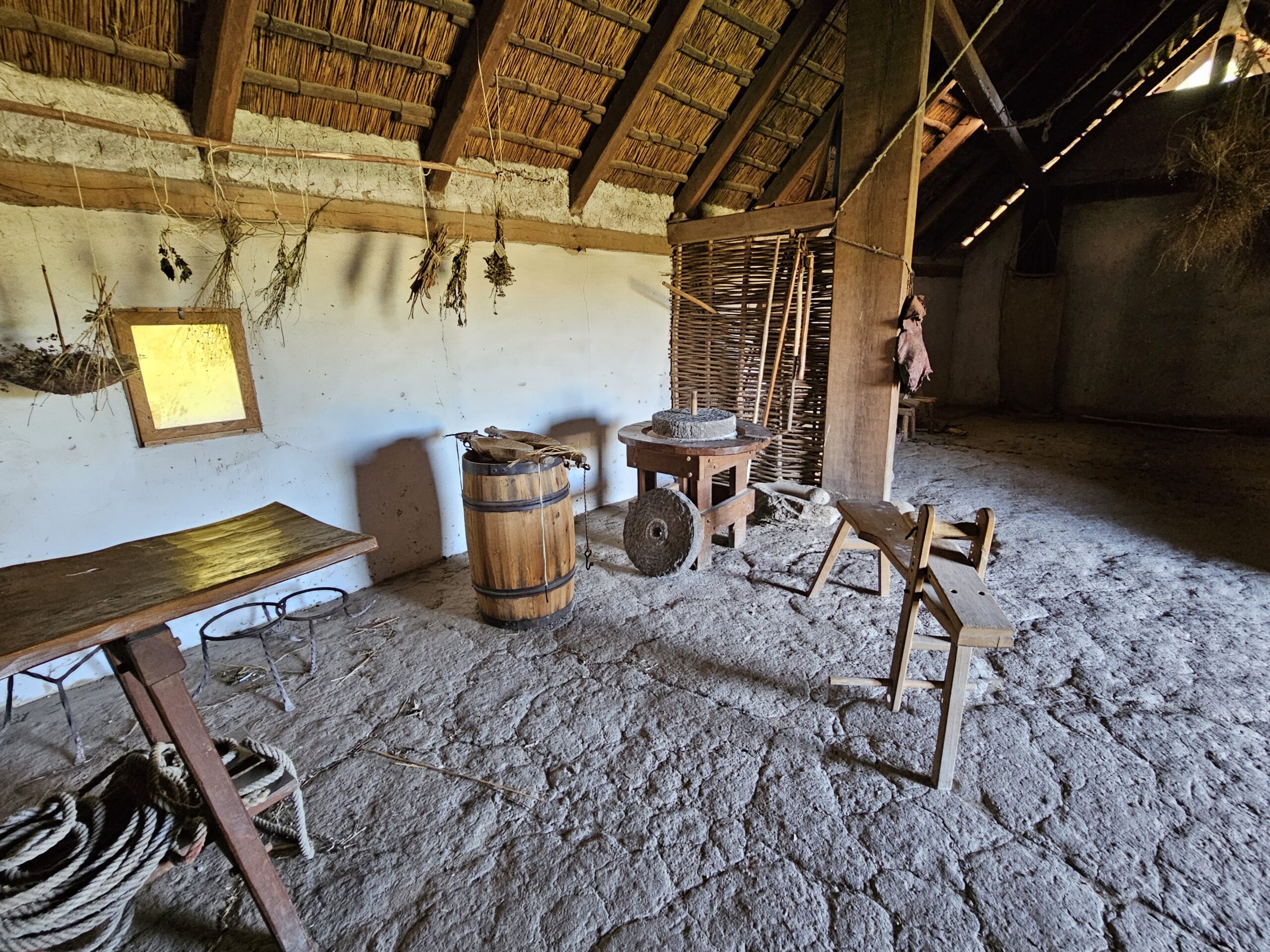
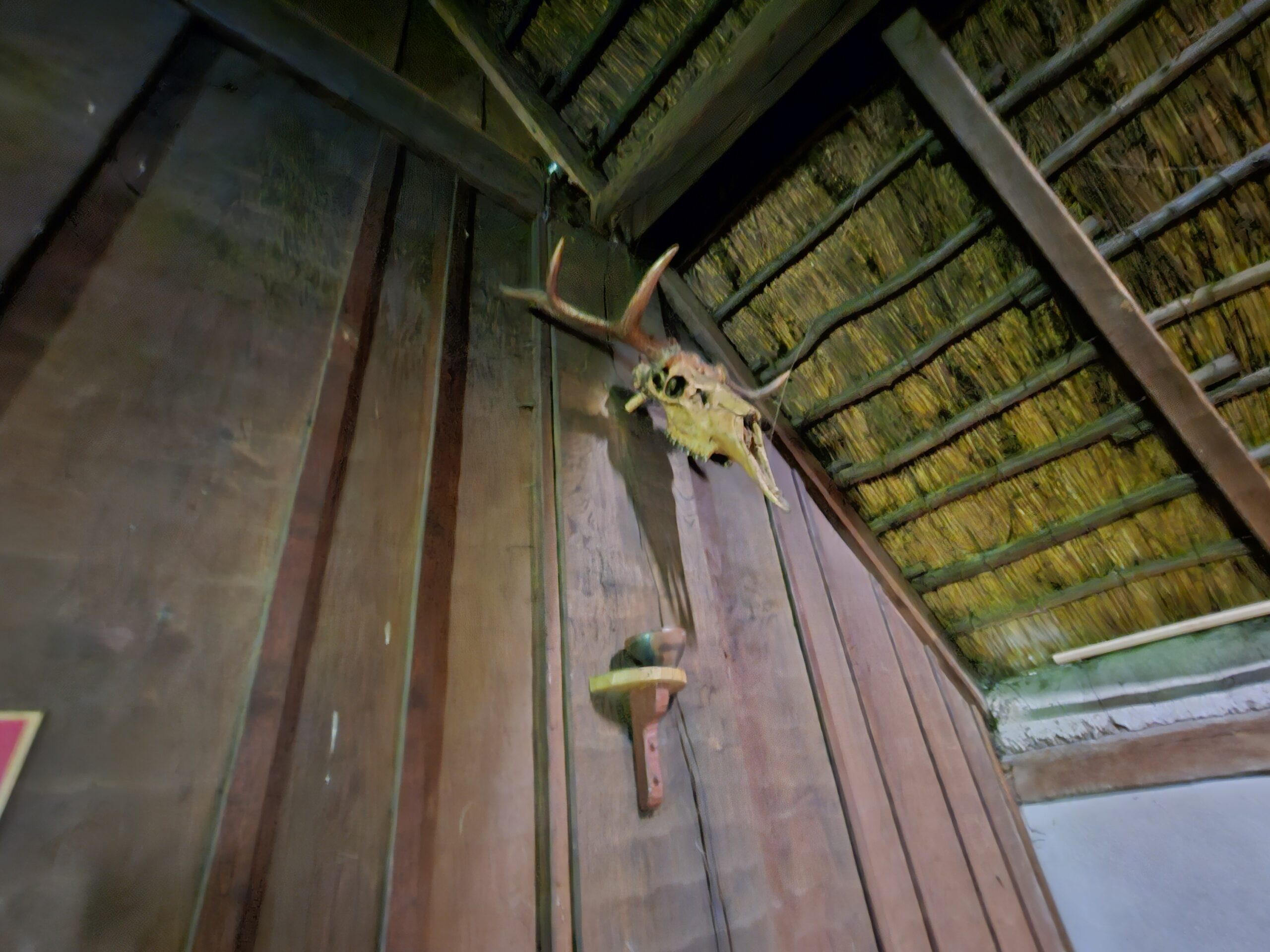
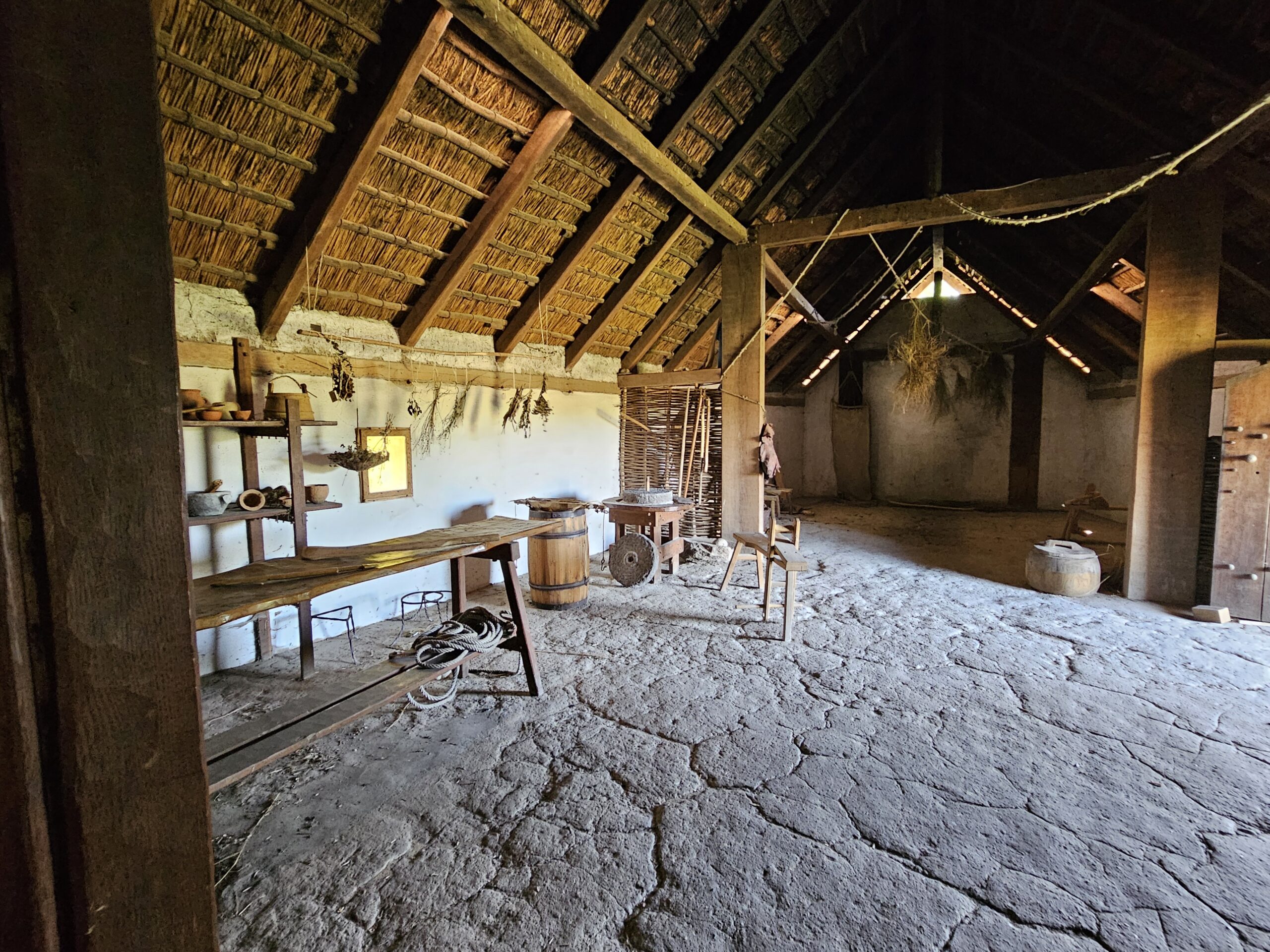
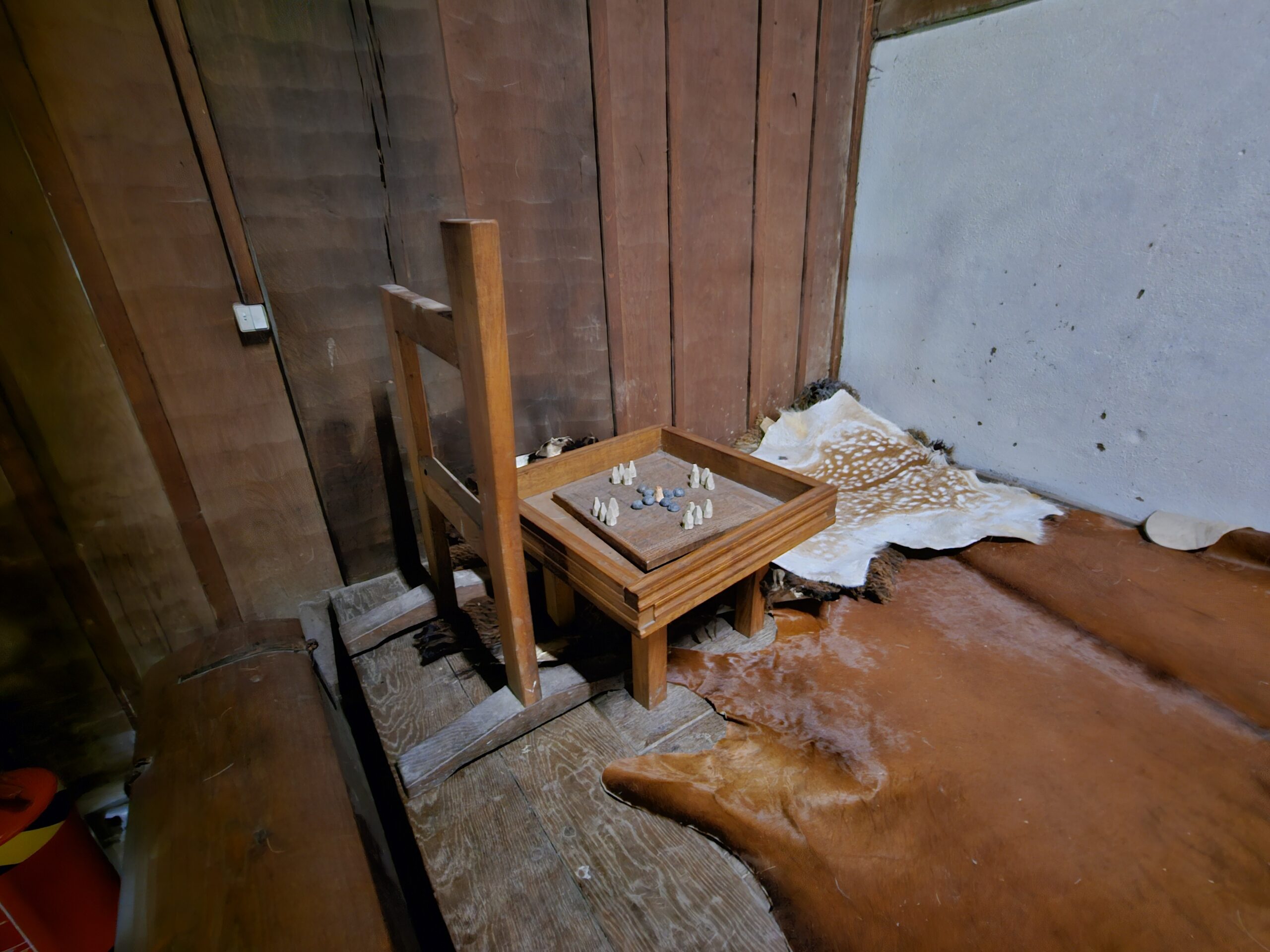
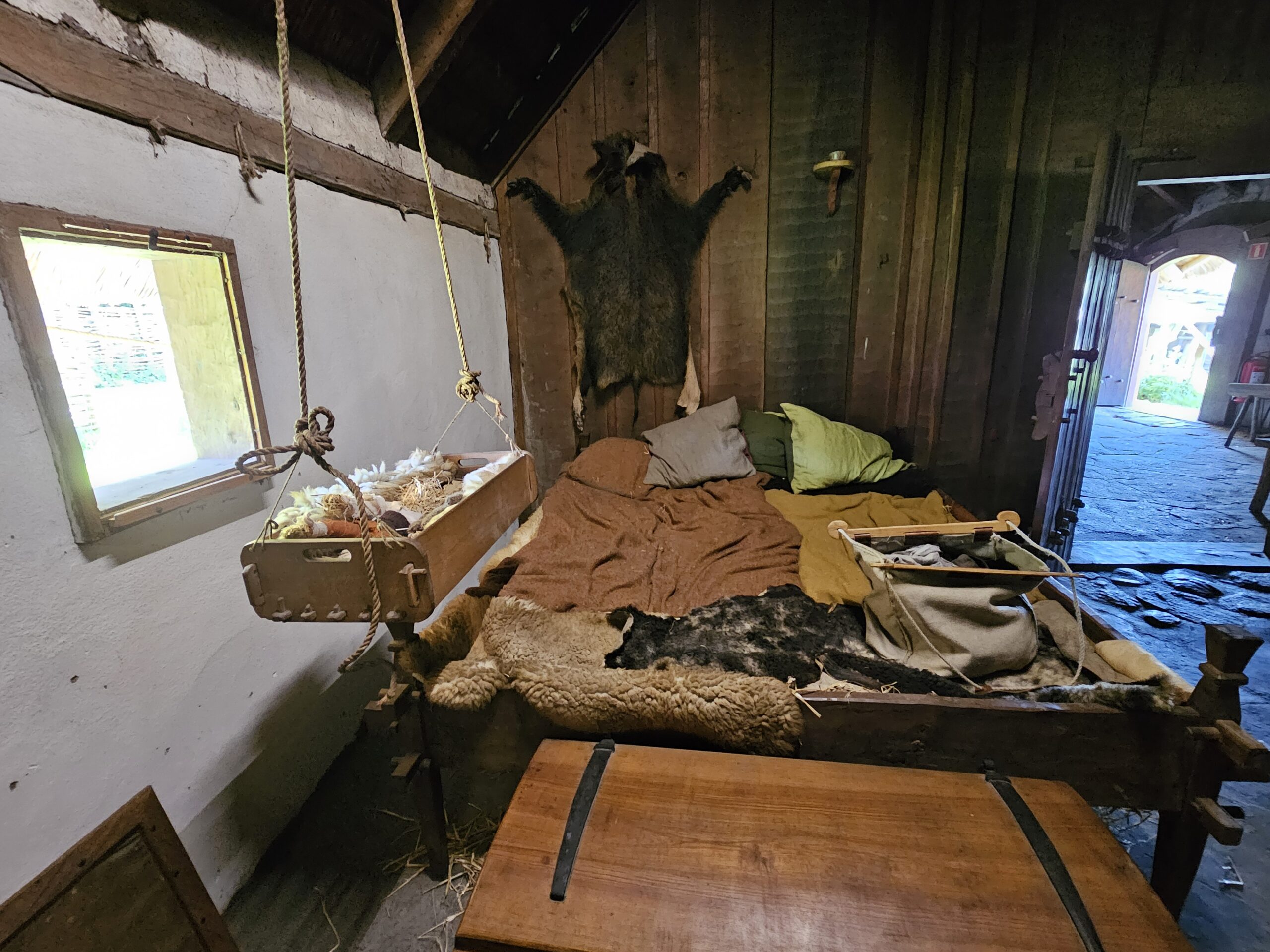
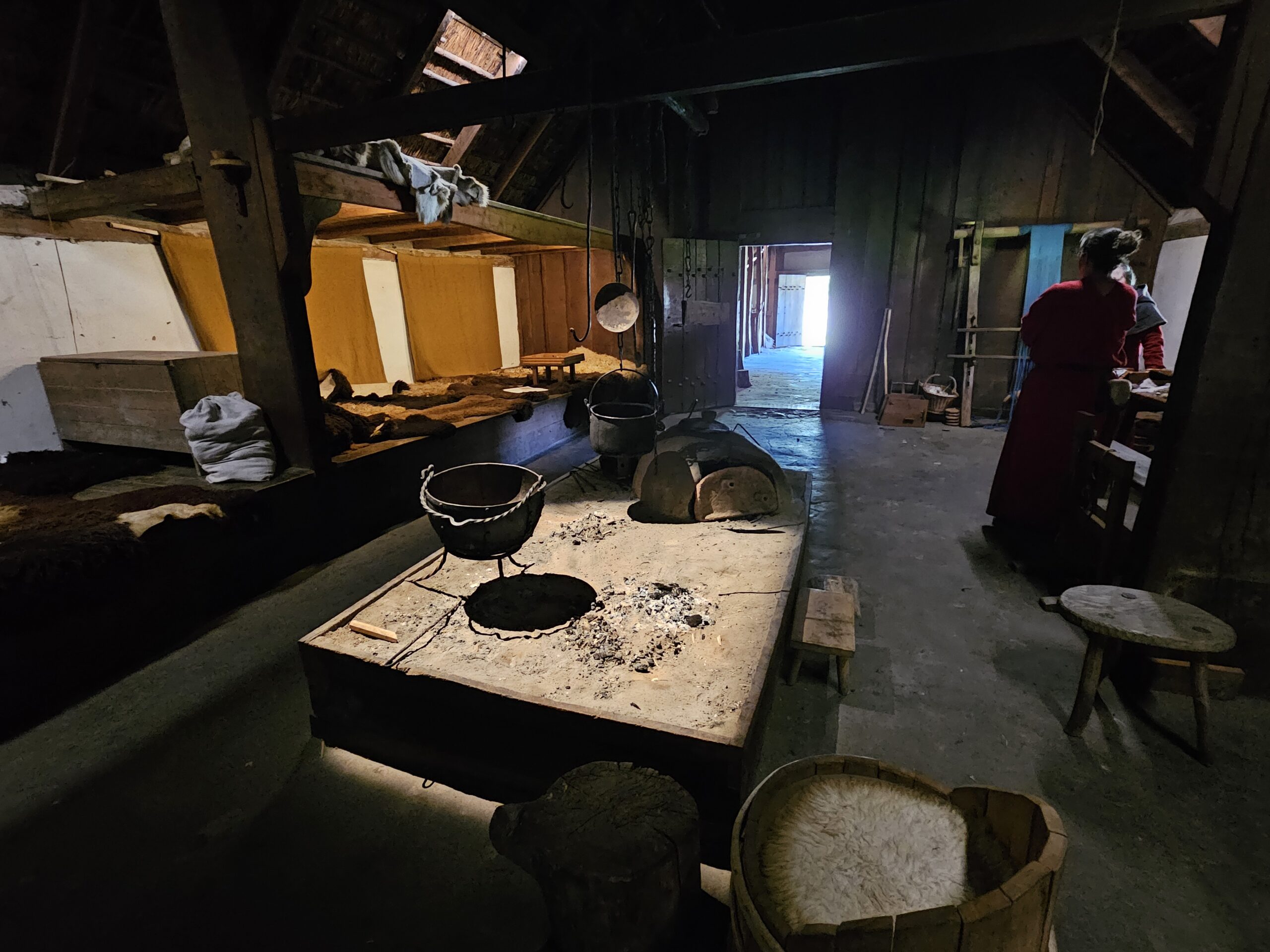
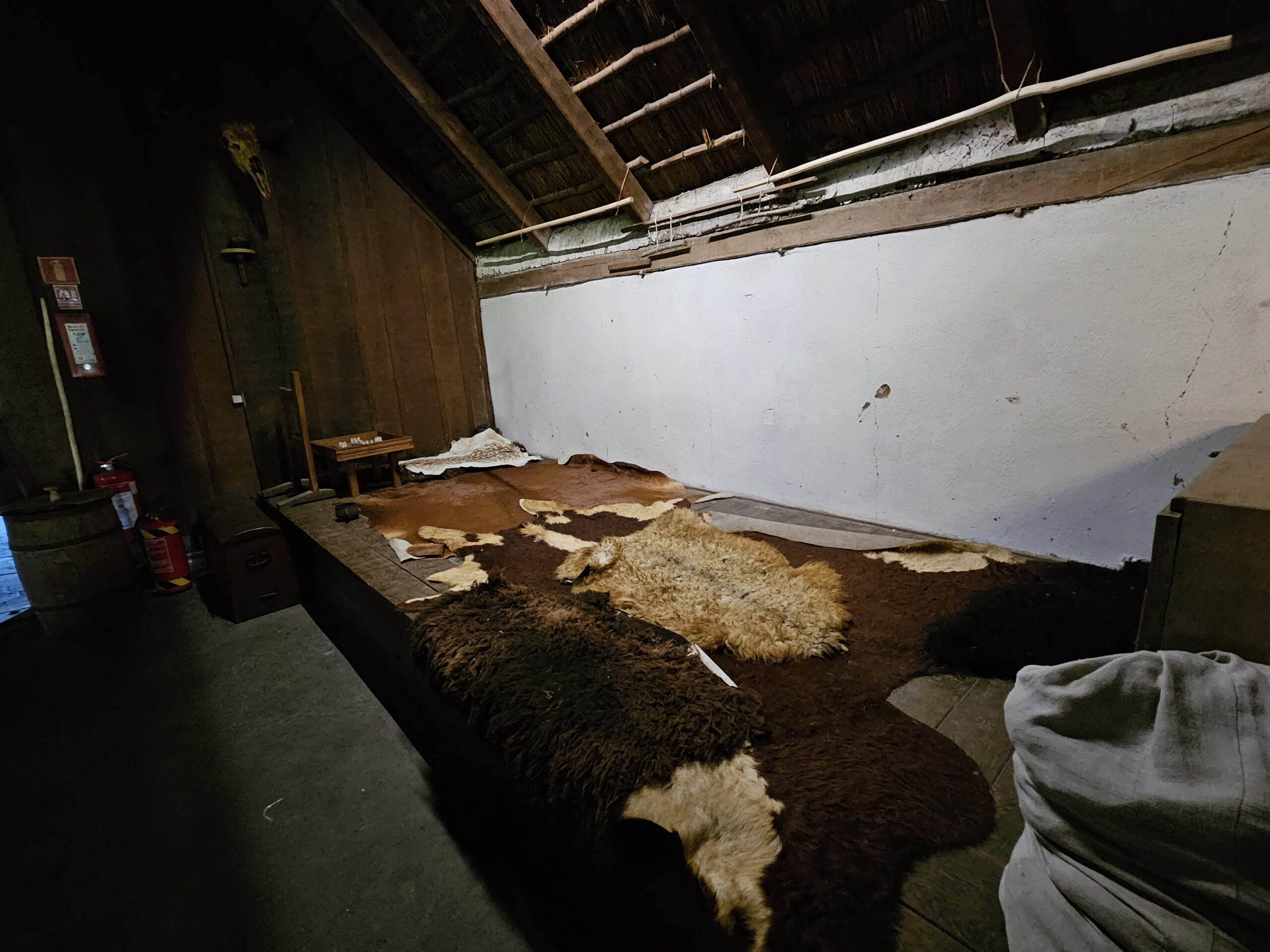
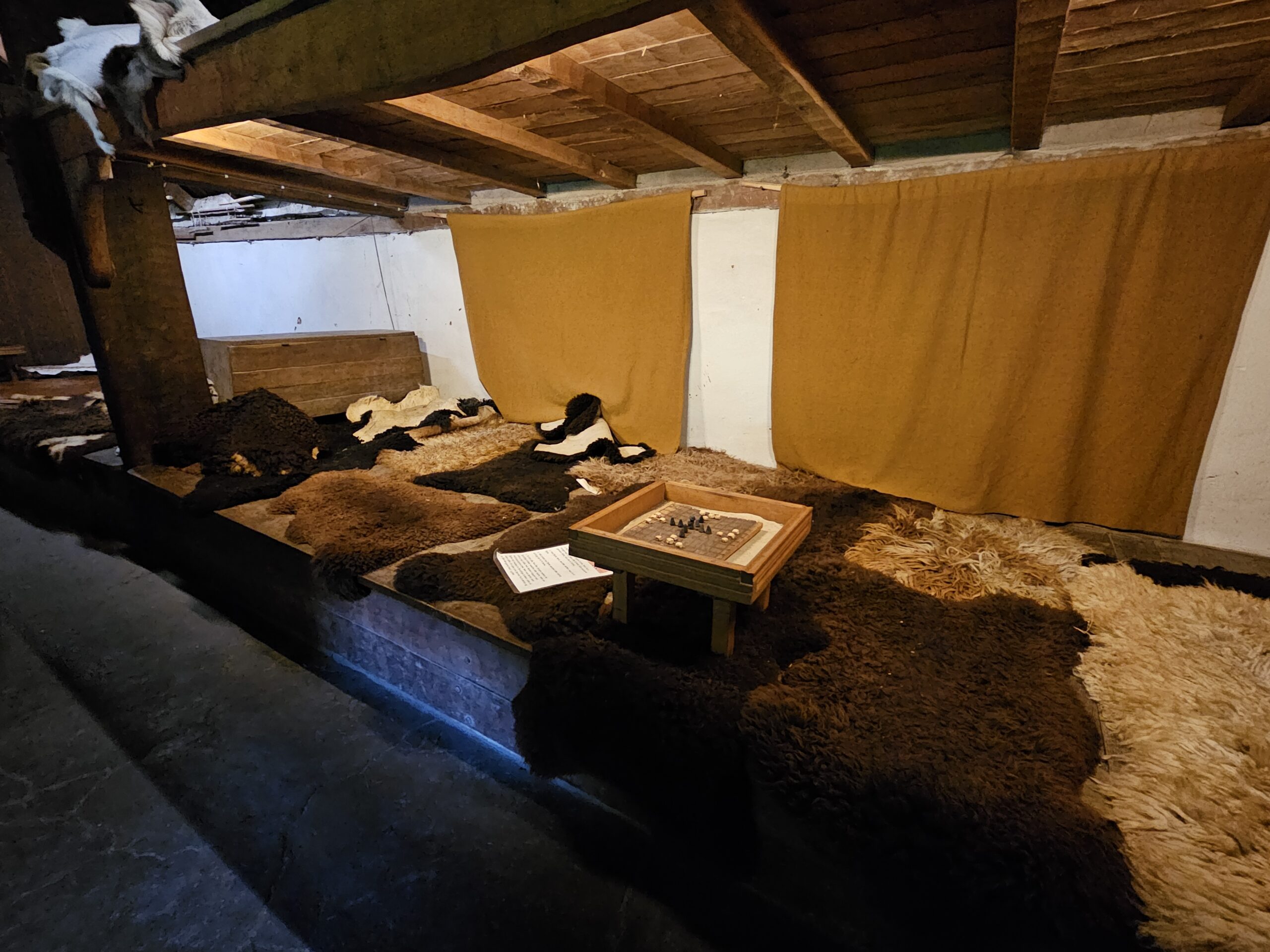
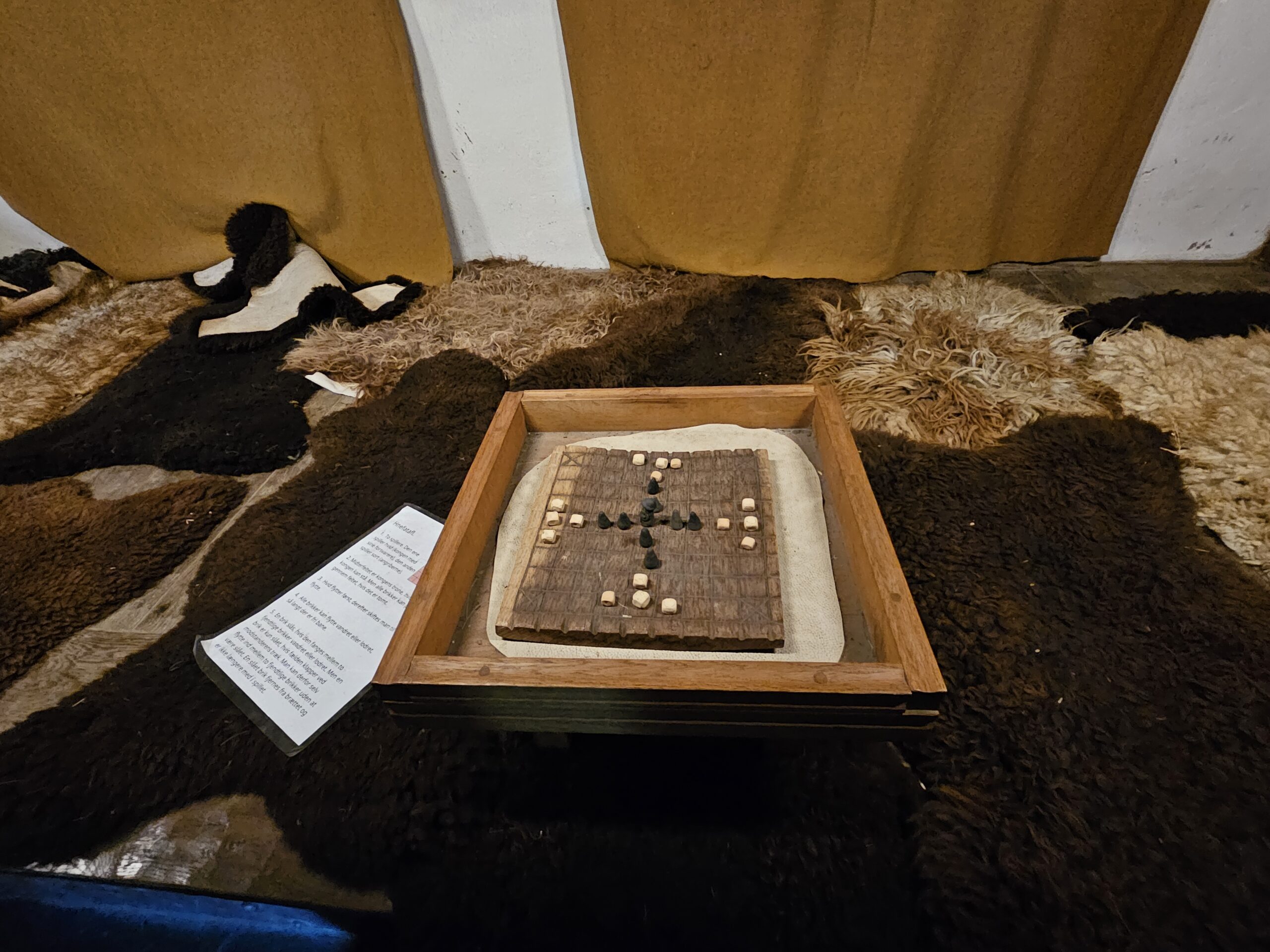
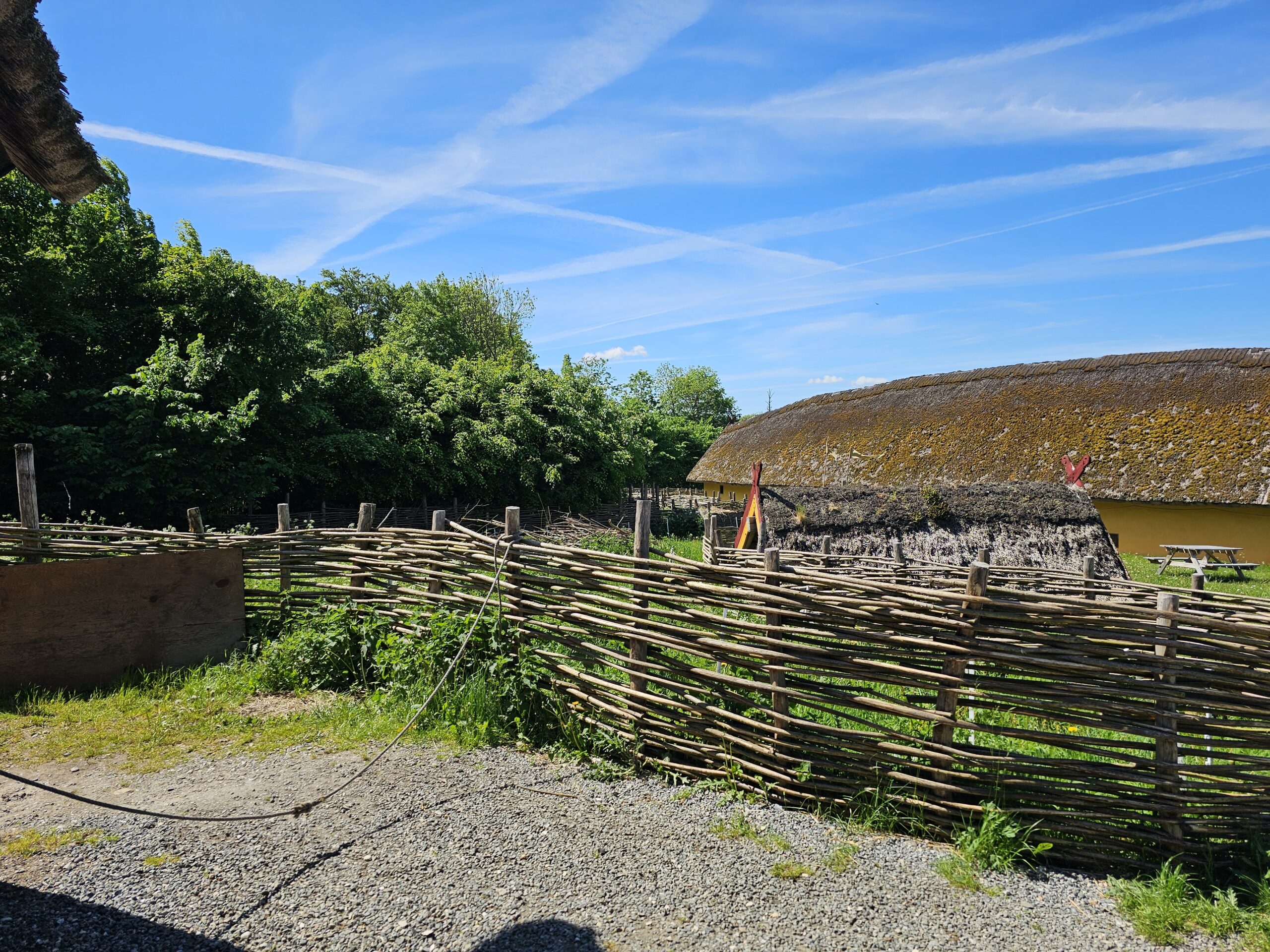
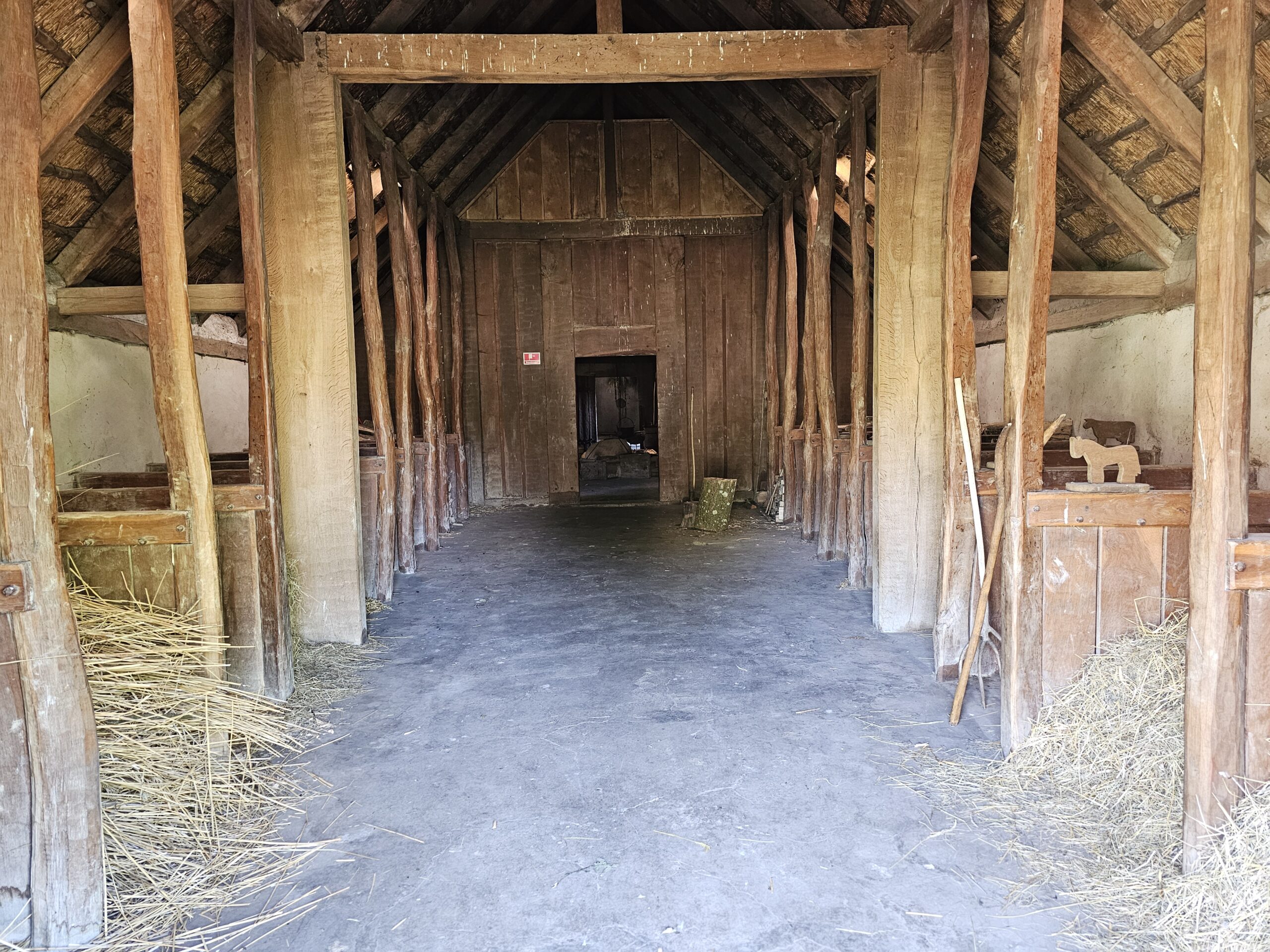
Among the standout elements at the Viking Museum Fyrkat are the authentic finds from the Fyrkat fortress excavations. These artefacts include tools, weapons, pottery, and everyday household items, offering a direct link to the material culture of the Viking Age inhabitants. The exhibition dedicated to the fortress’s ring-shaped design is particularly illuminating, with detailed models and visual aids that explain its strategic use and unique construction techniques. Another key exhibition focuses on the Viking burial customs, shedding light on the belief systems and ritual practices of the period. Displays featuring burial goods, including elaborately crafted jewelry and weapons, underline the importance of status and identity among the Vikings. The museum also places considerable emphasis on the Vikings as skilled craftsmen, with exhibits detailing metalworking, textile production, and shipbuilding. A reconstructed Viking-age house enables visitors to visualize daily life within the fortress walls, and interactive components allow for a greater understanding of the technologies and skills employed by the inhabitants. Each exhibition is underscored by clear, informative signage that balances scholarly accuracy with accessibility.
Visitor Experience
The visitor experience at the Viking Museum Fyrkat is designed to be educational without overwhelming. The museum achieves a measured pace by structuring exhibitions logically and providing textual content in multiple languages, including English, making the information accessible to international audiences. Audio guides and informational panels further enhance understanding, though the museum might benefit from expanding interactive digital features to engage younger visitors more intensively. The atmosphere throughout is calm and reflective, supported by thoughtful lighting and exhibit placement. Staff are reportedly knowledgeable and approachable, offering assistance that adds value to the visit. For those interested in hands-on learning, the museum occasionally provides educational workshops and demonstrations related to Viking crafts and lifestyles, though these tend to be scheduled events rather than ongoing features. Overall, the museum prioritizes creating a respectful and immersive setting that encourages contemplation of the Viking era’s complexities, making it suitable for history enthusiasts, families, and educational groups alike.
Tickets, Access, and Planning
Practical considerations for visiting the Viking Museum Fyrkat are straightforward. Admission fees are reasonable, considering the quality and depth of the exhibitions on offer, with discounts available for children, seniors, and groups. Family tickets present good value, encouraging visits by those travelling with children. The museum’s official website offers essential details regarding opening hours, seasonal variations, and current notes on accessibility. The site is easily reachable by car from Hobro city centre with suitable parking facilities nearby. Public transport links exist but may require some additional planning due to the museum's location just outside the town. Accessibility and accommodation for visitors with reduced mobility are adequately addressed, including ramps and accessible restrooms, though those with specific needs may wish to contact the museum in advance for confirmation and assistance. Planning a visit during the off-peak season could provide a quieter experience, particularly for those looking to explore the site leisurely. Additionally, the museum’s proximity to the actual fortress remains encourages combining the indoor and outdoor experiences into one visit, making for a fuller understanding of the Viking legacy.
Final Verdict
The Viking Museum Fyrkat provides a well-rounded, thoughtfully curated look at a distinct aspect of Viking history anchored firmly in its archaeological provenance. Rather than generalizing about the Viking Age, the museum’s focused attention on the Fyrkat fortress and its associated community brings forward a rich narrative of a vibrant, multifaceted culture. The exhibitions succeed in showcasing the Vikings not only as formidable warriors but also as skilled artisans, farmers, and community planners, which adds necessary balance to popular perceptions of the era. Although the museum could further benefit from additional interactive and multimedia elements to appeal to a broader and younger audience, its commitment to authenticity and scholarly integrity is evident and commendable. Visitors with an interest in Northern European history or Viking culture will find the museum a valuable resource, enriched by the proximity to the fortress remains. Combining educational rigor with compelling displays and a tranquil setting, the Viking Museum Fyrkat stands as a notable destination for those seeking to deepen their understanding of Denmark’s Viking heritage.