Viking Museum Ladby Review
Viking Museums · Kerteminde, Denmark. Nestled in the picturesque town of Kerteminde, Denmark, the Viking Museum Ladby offers a unique glimpse into the Viking Age, a period spanning roughly from the late 8th to the early 11th century. This…
Viking Museums · Kerteminde, Denmark. Nestled in the picturesque town of Kerteminde, Denmark, the Viking Museum Ladby offers a unique glimpse into the Viking Age, a period spanning roughly from the late 8th to the early 11th century. This…
Best forMaritime history, ships, harbour heritage
Review focusCollection, setting, visitor experience
Historical Context
Nestled in the picturesque town of Kerteminde, Denmark, the Viking Museum Ladby offers a unique glimpse into the Viking Age, a period spanning roughly from the late 8th to the early 11th century. This era is renowned for its seafaring explorers, skilled craftsmen, and expansive trade networks that stretched across Europe and beyond. The museum’s focal point is the Ladby ship burial, the only known Viking ship grave discovered in Denmark, dating back to approximately 920 AD. This significant archaeological find provides invaluable insights into Viking burial practices, social hierarchy, and material culture. Through carefully curated displays and interpretive materials, the museum situates visitors within the broader Nordic history, connecting the tangible remnants of the past to the myths and realities of Viking life. By emphasizing the interplay between historical fact and archaeological interpretation, the museum fosters a deeper appreciation of the Viking legacy and Denmark’s place within that heritage.
What You See on Arrival
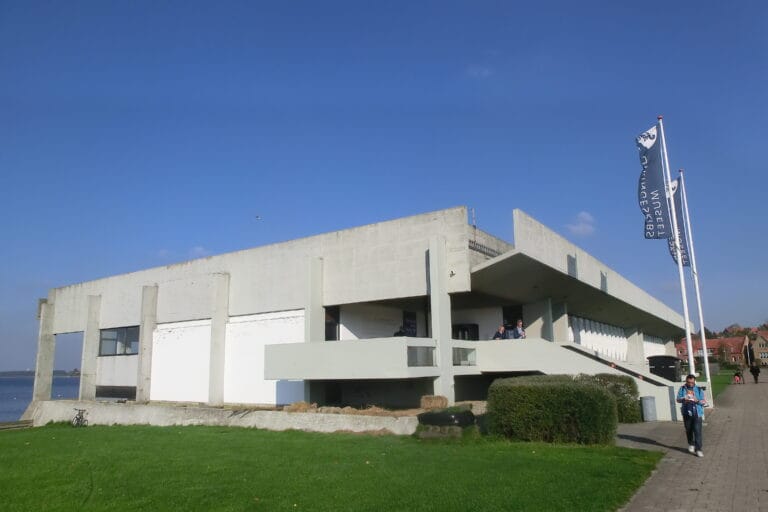
Approaching the Viking Museum Ladby, visitors are greeted by a striking modernist building whose design subtly echoes the contours of the famed Viking ships it celebrates. The structure is thoughtfully integrated into its surroundings, balancing contemporary aesthetics with reverence for the past. Directly outside, the landscape is punctuated by the reconstructed outlines of the Ladby ship burial mound, providing an immediate contextual anchor before one steps inside. Signage is clear and multilingual, catering to an international audience, and sets the tone for an educational and immersive experience. The surrounding area boasts well-maintained pathways, explanatory panels, and outdoor sculptures, which collectively serve as a visual prelude to the history contained within the museum’s walls. This initial encounter primes visitors for a journey through Viking history, blending the natural Danish milieu with the archaeological narrative at the core of the site.
Highlights and Key Exhibitions
The museum’s core attraction revolves around the Ladby ship, which was unearthed in the early 20th century and stands as a testament to Viking craftsmanship and funerary traditions. Central to the exhibition is the reconstructed ship frame, meticulously recreated to convey its original scale and form. Surrounding this centerpiece, well-curated displays feature artifacts recovered from the burial site, including weapons, tools, and grave goods that illuminate the life and status of the interred individual, likely a chieftain or person of considerable social standing.
Exhibitions also delve into broader Viking themes, such as shipbuilding techniques, daily life, and the extensive maritime trade routes that defined the era. Educational panels are complemented by multimedia installations and scale models that provide context and enhance understanding. Given the museum's dedication to authenticity, there is an emphasis on archaeological methodology, with clear explanations of excavation processes and conservation efforts. This transparency enriches the visitor’s appreciation of how historical narratives are constructed from material remains.
A dedicated section explores the cultural and symbolic significance of ship burials across Scandinavia, situating the Ladby find within a wider tradition. This comparative approach adds depth and allows for a nuanced view of Viking funerary customs.
Visitor Experience
The visitor experience at Viking Museum Ladby is thoughtfully orchestrated to balance scholarly insight with accessibility. The layout facilitates a logical progression from larger thematic displays to more detailed examinations of specific artifacts. The use of storytelling elements ensures that historical complexities are communicated effectively without overwhelming the audience.
Signage and interpretive materials are presented in multiple languages, with clear explanations that cater to both casual visitors and those with a more specialized interest. Audiovisual aids and interactive components appeal to younger audiences and enhance engagement. However, some may find the pace of the exhibition somewhat reflective, favoring contemplation over fast-paced interaction.
Staff members are known to be knowledgeable and approachable, offering further context when required, which can greatly enrich the visit. Facilities within the museum include a small café and a shop offering educational materials and souvenirs connected to the Viking theme. These amenities add to the comfort and convenience, encouraging visitors to extend their stay and deepen their experience.
Tickets, Access, and Planning
The Viking Museum Ladby typically operates with a straightforward ticketing system that balances affordability with the maintenance of high-quality exhibits. Entry fees are moderate by local standards, with concessions available for seniors, students, and children. Family tickets encourage group visits, making it a suitable choice for a cultural outing that appeals across generations.
Opening hours tend to be seasonal, reflecting Denmark’s tourism patterns, so prospective visitors are advised to consult the official website for current information. The museum’s location in Kerteminde is accessible by car with parking facilities onsite. Public transport options exist but may require planning, as the museum is situated slightly outside the town center.
Accessibility for visitors with mobility challenges is thoughtfully addressed, with ramps, elevators, and adapted facilities ensuring that most can navigate the exhibitions comfortably. Clear signage aids orientation throughout the premises. Audio guides and printed materials cater to different learning preferences, but advanced booking may be necessary for group tours or specialized guided experiences.
Final Verdict
The Viking Museum Ladby stands out as a significant cultural institution that offers a rich, nuanced window into Viking history, archaeology, and society. Its focus on the Ladby ship burial connects visitors with one of Denmark’s most important archaeological discoveries, presented through engaging and well-researched exhibitions. The museum strikes an admirable balance between educational rigor and public appeal, making it accessible to diverse audiences without sacrificing depth.
While some may desire a broader array of interactive elements to complement the contemplative atmosphere, the museum’s understated approach encourages meaningful reflection on the Viking legacy. Coupled with careful attention to visitor amenities and accessibility, these qualities make the museum a compelling destination for those interested in Viking history and Norse culture.
Located in the scenic environs of Kerteminde, the Viking Museum Ladby enriches Denmark’s cultural landscape and serves as a crucial link between the country’s past and present. For history enthusiasts, families, and cultural tourists alike, it offers an experience that is both informative and evocative, grounded in the tangible heritage of the Viking Age.