The Mariners’ Museum and Park Review
Archaeology Museums · Newport News, United States. The Mariners’ Museum and Park, located in Newport News, Virginia, stands as one of the most comprehensive maritime museums in the United States. Established in 1930 by Archer Huntington and his wife Anna Hyatt…
Archaeology Museums · Newport News, United States. The Mariners’ Museum and Park, located in Newport News, Virginia, stands as one of the most comprehensive maritime museums in the United States. Established in 1930 by Archer Huntington and his wife Anna Hyatt…
Best forMaritime history, ships, harbour heritage
Review focusArchaeological collections, context, and visitor planning
Historical Context
The Mariners’ Museum and Park, located in Newport News, Virginia, stands as one of the most comprehensive maritime museums in the United States. Established in 1930 by Archer Huntington and his wife Anna Hyatt Huntington, the museum was conceived with the intention of preserving and celebrating maritime history across time and geography. Set against the backdrop of the James River, the museum not only serves as a repository for nautical artifacts but also acts as a cultural beacon highlighting humanity’s complex relationship with the sea. The museum’s vast collections span centuries and cover themes from the age of exploration to naval warfare, shipbuilding, and maritime commerce. Its development reflects broader trends in American museology, combining historical preservation with public education and interactive displays. The surrounding Mariners’ Park offers a scenic complement to the indoor exhibits, providing visitors with a tranquil setting connected to the natural landscape that shaped much of the maritime history on display.
What You See on Arrival
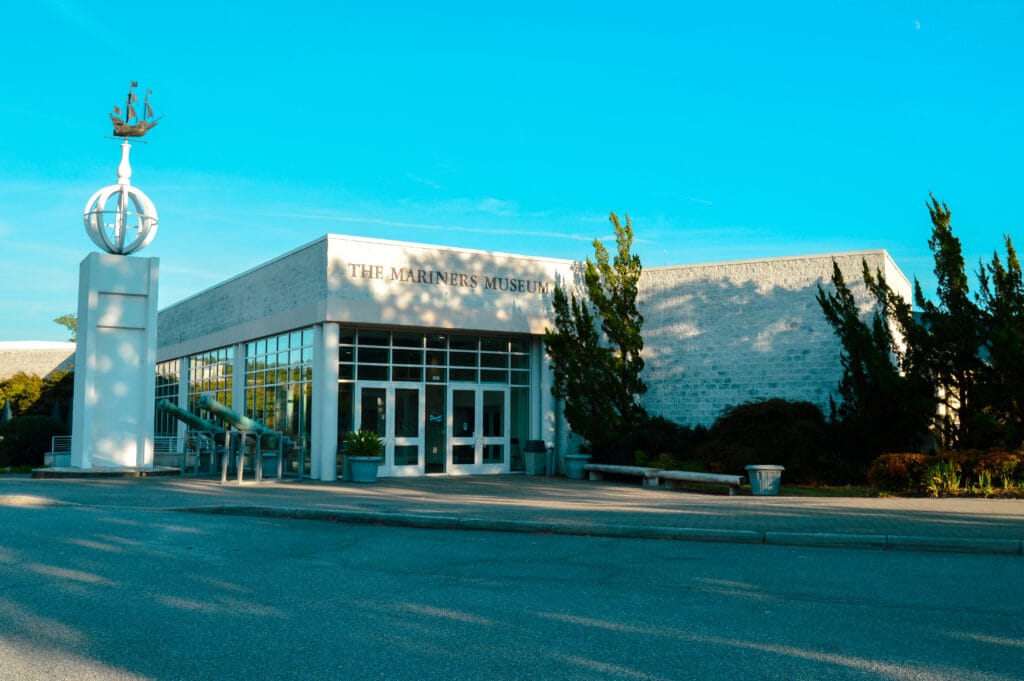
Upon approaching The Mariners’ Museum and Park, visitors are greeted by a grand yet approachable facility that nestles comfortably within a blend of wooded parkland and waterfront scenery. The museum’s architecture is thoughtfully designed to balance modern exhibition needs with a classic aesthetic, inviting a sense of both discovery and reverence for the past. A spacious, welcoming lobby sets the tone, featuring towering maritime-themed sculptures and nautical motifs that immediately convey the institution's thematic focus. Outside, well-maintained paths wind through the park’s extensive green spaces where statues and maritime memorials serve as outdoor introductions to the stories housed inside. The presence of the iconic battleship navigation tower and other maritime artifacts on the grounds immediately signals the depth and breadth of the museum’s offerings. This harmonious integration of indoor and outdoor spaces creates an anticipatory atmosphere, preparing visitors for an immersive journey through maritime history.
Highlights and Key Exhibitions
The Mariners’ Museum and Park boasts an extraordinary collection that spans three main areas: historical vessels and ship models, marine art and artifacts, and technological maritime developments. Noteworthy is the museum’s display of the USS Monitor, the famous Civil War ironclad warship. While the entire vessel is underwater, the museum houses a remarkable exhibition of recovered artifacts that illuminate the Monitor’s design innovations and historical significance. This exhibition contextualizes the vessel within the broader evolution of naval warfare and industrial-era shipbuilding.
Another standout is the extensive collection of detailed ship models that offer insight into centuries of naval architecture. Ranging from clipper ships to early steam-powered vessels, these models serve as both educational tools and works of art. The marine art collection enriches the visitor experience with paintings, prints, and sculpture that depict sea life, maritime adventures, and naval battles, connecting historical narratives with cultural representation.
Additionally, the museum covers the maritime history of exploration and commerce, illustrating how ocean travel facilitated global exchange and cultural interconnection. Interactive exhibits and digital media help animate these stories without overwhelming traditional artifact displays, supporting varied learning preferences. Exhibitions dedicated to underwater archaeology, navigation tools, and maritime communication technologies further deepen the narrative of human interaction with the sea.
Visitor Experience
The Mariners’ Museum and Park offers a thoughtfully paced visitor experience geared toward a diverse range of audiences. The museum’s layout is intuitive, with clear signage and logical exhibition flow allowing visitors to engage with exhibits at their own pace. Audio guides and multimedia kiosks are available, enhancing understanding without dominating the experience. The balance between artifact displays and interactive elements is well executed, ensuring that the museum caters to both casual visitors and maritime enthusiasts seeking deeper knowledge.
For families and younger visitors, the museum incorporates educational programs and hands-on activities that encourage curiosity about oceanography and maritime culture. The park itself serves as a popular spot for relaxation after museum tours, with picnic areas and walking trails providing opportunities to enjoy the natural setting.
The museum store and café also contribute to a comprehensive visitor experience. The store offers a focused selection of maritime-themed books, models, and souvenirs, while the café provides a pleasant environment for refreshments without detracting from the museum’s contemplative atmosphere.
Tickets, Access, and Planning
Planning a visit to The Mariners’ Museum and Park is straightforward, with clear information available on its official website regarding opening hours, admission fees, and group bookings. The museum is accessible by car and public transportation, though private vehicle use is more common given its suburban location. Ample parking is provided free of charge, an added convenience for travelers.
Admission costs are reasonable and include access to both the museum exhibits and the park grounds, which is especially valuable for those wishing to explore the outdoor space. Discounts are typically available for seniors, students, and military personnel, with free admission granted to children under a certain age.
Accessibility is a noted priority for the museum, with wheelchair access, elevators, and accessible restrooms available throughout the facility. Visitor services include resource materials for those with visual or hearing impairments. Booking tickets online in advance is recommended to ensure a smooth entry, although walk-ins are generally accommodated outside of peak times.
Final Verdict
The Mariners’ Museum and Park in Newport News offers a rich and varied exploration of maritime history that appeals to a broad spectrum of visitors. Its strengths lie in the careful curation of artifacts, particularly the collection related to the USS Monitor, and the integration of traditional displays with interactive and educational elements. The scenic park setting enhances the experience, providing a contemplative space that underscores the museum’s maritime themes.
While some visitors might find the deeper historical content demanding, the museum’s presentation style is generally accessible and engaging, supported by well-designed informational materials and programming. The balance between indoor exhibitions and outdoor engagement makes it a distinctive destination not only for maritime history enthusiasts but also for families, educators, and tourists appreciating cultural heritage in a natural environment.
In sum, The Mariners’ Museum and Park stands as a significant institution within America’s maritime heritage landscape—an educational resource and a place of reflection that successfully bridges the past and present of seafaring traditions. It is well worth a visit for those interested in the enduring legacy of humanity’s relationship with the sea.