Tekniska museet Review
History Museums · Stockholm, Sweden. Tekniska museet, situated in Stockholm, is Sweden’s national museum dedicated to technology, science, and innovation. Established in the early 1930s, the museum has evolved alongside the rapid technological changes of the twentieth and twenty…

Auto-rated with GMR rubric v1: collection 3.8, importance 3.6, visitor 3.3, presentation 3.5, practical 3.3, uniqueness 3.4. Confidence: medium.
Best forScience, technology, hands-on learning
Review focusExhibits, interpretation, visitor flow
Historical Context
Tekniska museet, situated in Stockholm, is Sweden’s national museum dedicated to technology, science, and innovation. Established in the early 1930s, the museum has evolved alongside the rapid technological changes of the twentieth and twenty-first centuries. Its foundation reflected a broader Scandinavian interest in the societal impacts of industrial and technological advancement. Over the decades, the institution has expanded its collections and exhibitions in response to shifts in technological fields, from early mechanics and engineering to contemporary developments in computing, telecommunications, and environmental technologies.
The museum’s mission is to document, present, and critically engage with technology’s role in shaping modern life. It serves a dual purpose: preserving Sweden’s technological heritage and addressing global scientific questions. The setting of the museum in Stockholm links it closely to Sweden’s long tradition of innovation and industrial enterprise, encompassing firms and inventors that have had international influence. Tekniska museet’s historical trajectory mirrors evolving public attitudes toward technology – from early enthusiasm and optimism to a more complex view that incorporates ethical, social, and environmental considerations.
What You See on Arrival
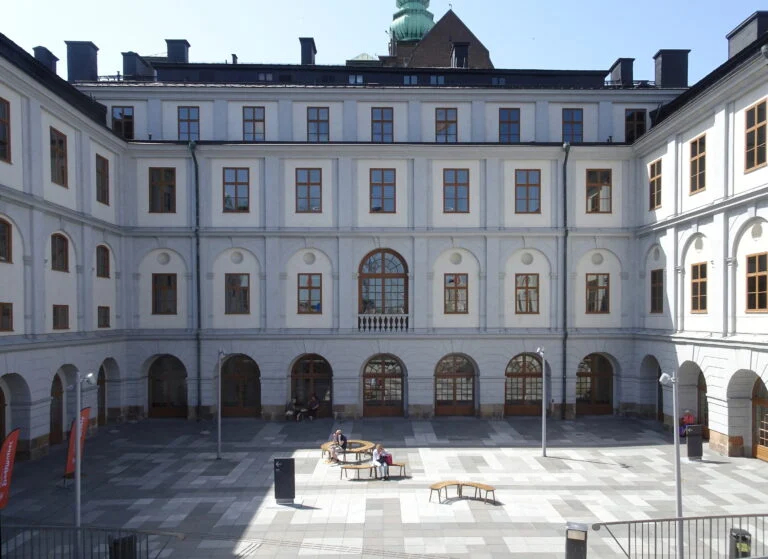
Approaching Tekniska museet, visitors become aware that the institution positions itself clearly at the intersection of education and engagement. The museum’s exterior and entrance areas tend to emphasize a functional design, signaling a focus on science and technology without ostentation. The overall impression is of a dedicated space where learning about technology happens through both display and interaction.
The lobby and entrance space set the tone with clear signage and an atmosphere that suggests inquiry and experimentation. There is typically a balance between accessibility and informational density in the entrance area. Visitors are prompted early on to consider the museum not only as a venue to observe historical artifacts but also as a place to experience technological phenomena firsthand. The framing underscores a forward-looking approach, encouraging curiosity rather than passive observation.
The museum identity, as presented at the arrival stage, indicates an emphasis on presenting technology in real-world contexts. This provides visitors with a glimpse of how the institution thinks about technological progress: as a story continuously unfolding, involving human creativity and societal challenges.
Highlights and Key Exhibitions
Tekniska museet’s collection spans a wide range of technological fields, with particular strength in Swedish inventions alongside international contributions. Permanent exhibitions delve into the development of transport, communication, energy, and industrial production, often tracing the evolution of these technologies from early industrial machines to contemporary digital devices.
One notable highlight is the section dedicated to transport innovations. This includes an extensive array of vehicles and prototypes, from early steam engines and automobiles to bicycles and aerospace models. These exhibits frequently contextualize technological developments within Sweden’s industrial history and its relationship with global engineering trends. The displays include technical drawings, machinery parts, and interactive elements that clarify mechanical principles.
Another significant segment is the communication technologies exhibit. Here, visitors can find artifacts documenting the transition from telegraphy to modern telecommunications, including early radios, telephones, and computing devices. This historical progression is explained through carefully curated display cases and multimedia presentations that illuminate how communication infrastructures transformed societies. Particularly well-attended is the focus on programming and early Swedish computing efforts, which relate directly to the country’s ongoing reputation in the tech sector.
Visitors interested in energy and environmental technology will find exhibitions covering Sweden’s pioneering work in harnessing hydroelectric power and exploring sustainable energy solutions. These sections tie into contemporary debates about technology’s environmental footprint while providing historical context on Sweden’s role in renewable energy innovation.
For children and families, Tekniska museet offers interactive zones where basic scientific principles and technological functions can be explored hands-on. These are designed to engage younger audiences and those new to scientific concepts, contributing to the museum’s educational mandate.
Although the museum is strong in many areas, certain high-tech frontiers may receive less coverage. The emphasis remains largely historical and mid- to late-twentieth century, with some consideration of how emerging technologies might develop, but less on very recent digital or biotechnological advancements. Visitors seeking a deep dive into the latest cutting-edge technology might find the scope more limited.
Visitor Experience
The visitor experience at Tekniska museet is carefully crafted to accommodate a broad audience, from families and school groups to technology enthusiasts and researchers. The museum layout typically allows for a paced exploration, with clear pathways between thematic sections. This helps visitors build a coherent understanding of technological development in discrete stages.
Interpretive materials are generally thorough, with bilingual text panels in Swedish and English. These include technical explanations, historical narratives, and contextualizing information that link exhibits to broader societal impacts. However, while some displays cater to specialist interests, there remains a strong focus on accessibility for general visitors. Complex scientific concepts are translated into concrete examples and supported by multimedia and interactive displays.
The interactive components are a major draw, especially for younger visitors and families. Hands-on exhibits related to physics, mechanics, and digital technology encourage engagement beyond passive viewing. This active involvement can enhance learning and appreciation for technological principles.
The museum’s educational programs and activities typically complement the permanent collections, creating an environment where learning is ongoing. Nonetheless, the experience may require some self-direction, as museum flow is more about individual or family paced exploration rather than regimented tours or narrative-driven paths.
Visitors with a more specialized interest in the latest technological research or in-depth contextual analysis might find the museum’s treatment somewhat generalist. The focus is on broad themes and foundational technologies rather than niche or highly technical subjects. This makes Tekniska museet well suited to introductory and mid-level audiences but less compelling for advanced professionals seeking detailed technical seminars within museum spaces.
Tickets, Access, and Planning
For those planning a visit, it is advisable to consult the official Tekniska museet website before arrival. This enables up-to-date information on opening hours, admission fees, guided tours, and any necessary advance booking procedures. As with many museums, details around special discounts, school group visits, and accessibility services will also be best confirmed from official channels.
At its location in Stockholm, the museum is accessible by local public transport, although the specifics of transit routes and parking availability should be verified in advance. Visitors should also plan timing to allow a thorough visit, as the range of exhibits can require several hours for full engagement, especially if participating in interactive zones.
It is worth noting that Tekniska museet’s emphasis on technology and science means that visiting with children or students is often rewarding, though individuals with very specialized or academic interests might supplement their visit with additional resources beyond the museum’s scope.
Final Verdict
Tekniska museet occupies an important niche in Sweden’s cultural landscape by providing an extensive survey of technological history with an educational emphasis. Its collections and displays effectively illustrate the path by which technology has shaped both Swedish society and the wider world from the industrial era to the digital age’s early stages.
The museum succeeds in combining historical artifacts with interactive elements that encourage hands-on learning. Its balanced approach makes it suitable for families, school groups, and general visitors interested in gaining insight into technological development without prior expertise. The bilingual interpretive texts and thoughtful exhibition design support a clear and instructive visitor journey.
However, the museum’s scope leans more towards technology’s recent past than cutting-edge developments. Visitors seeking detailed current research or very recent innovations may find the content limited in this area. Additionally, the self-directed nature of the visit suits those comfortable navigating a museum at their own pace but may be less ideal for visitors expecting guided narratives or focused, thematic tours.
Overall, Tekniska museet offers a solid and reliable exploration of technology’s role in society, well grounded in Swedish innovation and science history. It is a recommended destination for those wanting a comprehensive technological education framed within engaging museum contexts, provided practical details such as hours and admissions are checked ahead.