Submarine Library Museum Review
Archaeology Museums · Wethersfield, United States. Situated in the coastal town of Wethersfield, the Submarine Library Museum presents a unique fusion of maritime heritage and literary preservation, reflecting the town’s deep-rooted naval history. This institution was conceived…
Archaeology Museums · Wethersfield, United States. Situated in the coastal town of Wethersfield, the Submarine Library Museum presents a unique fusion of maritime heritage and literary preservation, reflecting the town’s deep-rooted naval history. This institution was conceived…
Best forMaritime history, ships, harbour heritage
Review focusArchaeological collections, context, and visitor planning
Historical Context
Situated in the coastal town of Wethersfield, the Submarine Library Museum presents a unique fusion of maritime heritage and literary preservation, reflecting the town’s deep-rooted naval history. This institution was conceived as a response to the need for a dedicated space that archives and celebrates the often-overlooked history of submarines alongside a vast collection of marine-themed literature and research materials. Wethersfield, once a bustling shipbuilding hub during the early 20th century, naturally fostered an environment where naval innovation intersected with cultural storytelling. The museum offers valuable insights into the evolution of underwater vessels—from rudimentary early designs to the sophisticated submersibles of the modern era—and contextualizes these developments within broader maritime and military history. It also aims to serve as a resource center for scholars, enthusiasts, and the general public interested in the technological advancements and social narratives associated with underwater exploration.
What You See on Arrival
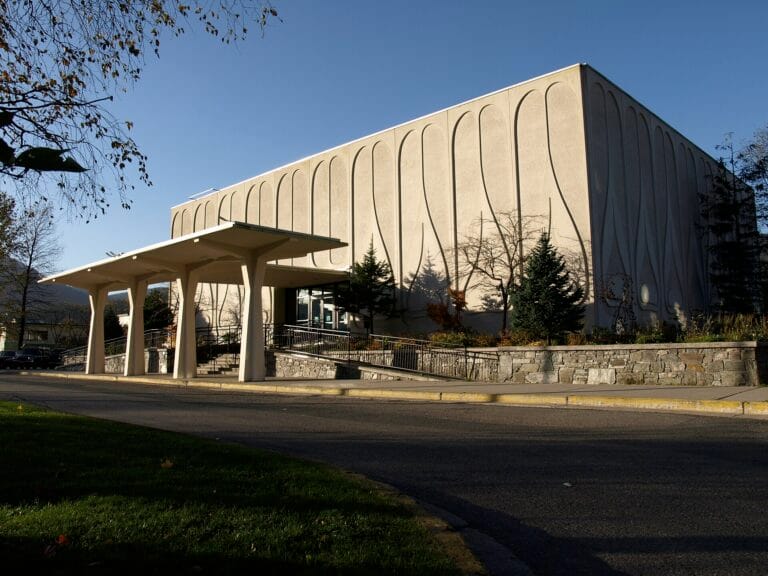
Approaching the Submarine Library Museum, visitors are greeted by a striking façade that echoes the sleek, streamlined form of a submarine hull. The building’s design cleverly integrates elements reminiscent of underwater vessels with a modern architectural aesthetic that invites curiosity and exploration. The entrance features wide, glass-paneled doors that allow ample natural light to flood the lobby, creating an airy and welcoming atmosphere. Outside, subtle maritime motifs, including engraved metallic plaques and nautical sculptures, set the tone for the museum’s thematic focus. Adjacent to the main entrance, a neatly maintained plaza offers seating and informational kiosks, providing a restful space for visitors to orient themselves before beginning their visit. The outdoor area is complemented by educational signage that briefly outlines the museum’s mission and highlights key historical milestones relevant to the submarine’s role in naval history.
Highlights and Key Exhibitions
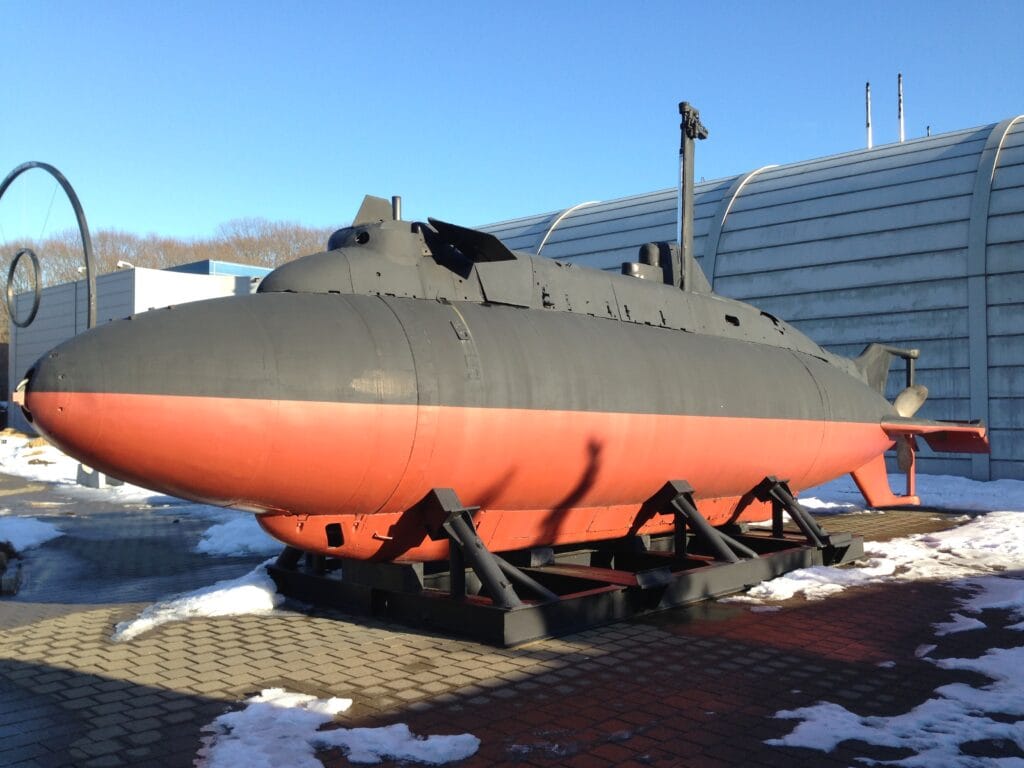
The core of the Submarine Library Museum lies in its extensive archival holdings and thoughtfully curated exhibitions. Among the collection’s most notable features is an impressive array of original submarine blueprints, many of which are painstakingly preserved and displayed in climate-controlled cases. These technical documents chart the incremental innovations in submarine design, offering viewers a detailed understanding of engineering challenges and breakthroughs. Additionally, the museum houses a significant number of artifacts recovered from decommissioned submarines, including navigation instruments, crew uniforms, and personal effects that provide an intimate glimpse into life beneath the waves.
One of the permanent exhibitions focuses on the tactical and strategic impact of submarines across various conflicts, underlining their pivotal role during both World Wars and the Cold War. This section employs multimedia installations that combine archival footage, interviews with veterans, and interactive maps to create an engaging narrative experience. Another important gallery is dedicated to the literary dimension of the museum’s mission, featuring rare marine-themed manuscripts, first editions, and contemporary works that explore human interaction with the ocean’s depths. This literary collection is complimented by a reading room, exemplary for those who wish to delve deeper into the texts on display.
Visitor Experience
The museum caters to a broad audience, balancing scholarly depth with accessibility. Exhibition spaces are thoughtfully laid out and incorporate clear, informative signage that is both concise and rich with details. Interactive kiosks and digital touchscreens enhance visitor engagement, allowing individuals to explore topics such as submarine mechanics and historical timelines at their own pace. Staff members are knowledgeable and approachable, often stationed at key points within the galleries to provide additional context and answer questions.
While the museum excels in its educational offerings, it might present a challenge to casual visitors unfamiliar with naval jargon or mechanical engineering. However, efforts to simplify complex concepts through visual aids and narrative storytelling largely succeed in making the content comprehensible without sacrificing nuance. The institution also offers guided tours, which are highly recommended for those seeking a more structured and enriched experience.
Tickets, Access, and Planning
Admission to the Submarine Library Museum is reasonably priced, with discounts available for students, seniors, and military personnel. The ticketing process is streamlined, allowing for online reservations that help manage visitor flow and reduce wait times. The museum is strategically located in Wethersfield’s cultural district and can be accessed via public transportation, with nearby bus stops and a modest parking facility for those arriving by car.
Accessibility features are thoughtfully implemented throughout the museum premises, including wheelchair ramps, elevators, and accessible restrooms, ensuring that visitors with mobility challenges can navigate the space comfortably. Audio guides and braille exhibit descriptions are available upon request, highlighting the museum’s commitment to inclusivity. Opening hours are sufficiently generous to accommodate various visiting schedules, although potential guests are advised to consult the official website for the most current information on operating days and hours, especially during holidays or special events.
Final Verdict
The Submarine Library Museum in Wethersfield is an exceptional destination for anyone interested in maritime history, naval technology, or marine literature. Its dual focus on the technical and cultural aspects of submarines presents a multifaceted perspective that is rarely found in a single institution. The museum’s exhibitions are thoughtfully curated, combining authentic artifacts with engaging multimedia to illuminate the story of underwater exploration and its broader historical significance.
While some technical displays may feel dense for visitors lacking a background in naval sciences, the museum makes commendable efforts to remain accessible and engaging through interactive elements and guided tours. Its commitment to educating the public is evident in every aspect, from the architectural design to the range of visitor services offered.
Overall, the Submarine Library Museum stands out as a well-rounded institution that honors its unique niche within the museum landscape of the United States. It serves both as a scholarly resource and an inspiring cultural experience, making it a worthwhile stop for local visitors and tourists alike. The museum successfully bridges the gap between engineering marvel and literary treasure, appealing to a diverse audience without diluting its specialized focus.