Samos Wine Museum Review
The Samos Wine Museum, located on the picturesque Greek island of Sámos, offers an insightful exploration into one of the region’s.

The Samos Wine Museum, located on the picturesque Greek island of Sámos, offers an insightful exploration into one of the region’s.
Best forScience, technology, hands-on learning
Review focusCollections, visitor experience, and practical planning
Historical Context
The Samos Wine Museum, located on the picturesque Greek island of Sámos, offers an insightful exploration into one of the region’s most celebrated traditions: wine production. Sámos has long been associated with viticulture, boasting a legacy spanning thousands of years, deeply intertwined with the island’s cultural identity and economy. Renowned for its production of muscat wine, the island’s unique climate and terrain contribute to the distinctive flavors that have made Samos wines famous throughout the Mediterranean and beyond. The museum itself serves as a guardian of this heritage, preserving not only the winemaking techniques passed down through generations but also the social and historical narratives that accompany the craft. The island’s wine story is a microcosm of broader Greek viticultural history, reflecting ancient agricultural practices, the influence of various civilizations, and modern advances in enology. Visiting the Samos Wine Museum is an invitation to understand how wine shaped both the landscape and cultural fabric of this corner of Greece.
What You See on Arrival
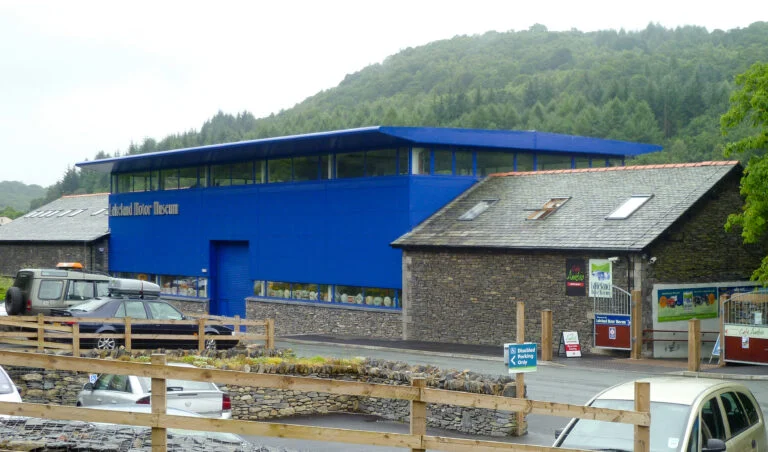
Upon approaching the Samos Wine Museum, visitors are greeted by a modest yet inviting façade that echoes the traditional Cycladic architectural style with whitewashed walls and soft curves. The building is situated within a serene setting that suggests a direct connection to the surrounding vineyards, underscoring the intimate relationship between the museum’s content and its environment. The entrance area is welcoming and well-maintained, hinting at the quality of curation found within. Surrounding the museum grounds, there are often sightlines to the lush vines, which help contextualize the exhibits before even stepping inside. The interior spaces emphasize warmth and accessibility, with an atmospheric layout that gradually immerses guests into the Sámos wine narrative. From historical artifacts to contemporary displays, the museum’s entrance prepares visitors to embark on a journey through the evolution of the island’s winemaking tradition.
Highlights and Key Exhibitions
The core of the Samos Wine Museum lies in its well-curated collection of artifacts that illustrate the historical progression and artisanal craftsmanship of wine production. Among the most compelling displays are the ancient tools and vessels used in the cultivation, harvesting, and fermentation processes, some dating back to antiquity. These objects provide a tactile connection to the past, demonstrating how locals refined their techniques over centuries. The museum also offers detailed explanations about the muscat grape, the island’s signature varietal, complete with information on its cultivation challenges and unique flavor profile. Multimedia stations enhance the storytelling, providing interviews with local winemakers and insights into the modern-day industry. Notably, the exhibition successfully balances technical information with cultural and social contexts, including the ceremonial aspects of wine in Sámos society. The inclusion of taste sampling experiences, in some cases, deepens the connection between knowledge and sensory appreciation, offering visitors a direct encounter with the fruits of tradition.
Visitor Experience
The visitor experience at the Samos Wine Museum is characterized by informative and engaging content presented in an accessible manner. The museum caters to a broad audience, from casual tourists intrigued by local culture to wine enthusiasts seeking a more detailed understanding of Greek viticulture. Signage and exhibit texts are typically bilingual, accommodating both Greek and English speakers, which enhances accessibility for international visitors. The staff reputation for friendliness and helpfulness contributes positively to the overall atmosphere. Although the museum’s size is modest, the depth of information ensures a satisfying visit without overwhelming guests. Audio guides or guided tours may be available, providing an added layer of context and personal connection. For visitors wishing to deepen their experience, the venue often suggests complementary visits to nearby vineyards or local wine producers to witness contemporary practices firsthand. The museum’s integration of sensory experiences, such as wine tasting, encourages a multisensory appreciation that extends the educational value beyond the visual.
Tickets, Access, and Planning
Ticketing for the Samos Wine Museum is straightforward and reasonably priced, offering good value considering the quality of the exhibitions and the overall experience. Discounts are typically available for seniors, students, and groups, which helps make the museum accessible to a wider public. Visitors are advised to check the official website for current opening hours and any seasonal variations, as they may fluctuate depending on the time of year. The museum’s location on Sámos is relatively easy to reach via local transport options, though visitors relying on public transit should plan accordingly, as timetables can be limited. Parking facilities are generally available for those arriving by car. Accessibility within the museum is adequate, with ramps and provisions for visitors with mobility challenges, although some areas may be constrained due to the traditional architecture of the building. Planning a visit around guided tours or special events can enrich the experience, and advance booking is recommended during peak tourist seasons.
Final Verdict
The Samos Wine Museum offers a compelling and well-rounded exploration of Sámos’s rich winemaking heritage, combining historical artifacts with contemporary cultural narratives. It stands as a valuable destination for both scholars of Greek viticulture and curious travelers interested in authentic local experiences. The museum’s strength lies in its ability to balance educational depth with approachable presentation, making complex processes accessible without sacrificing nuance. Its atmospheric setting near vineyards and inclusion of sensory elements such as tastings elevate the visit beyond a standard museum experience. While modest in size, the museum’s careful curatorial choices foster an intimate and engaging environment that honors centuries of tradition. Visitors should consider this museum a worthwhile addition to any itinerary in Sámos, providing meaningful context to one of the island’s most enduring legacies. The Samos Wine Museum successfully encapsulates the island’s identity, inviting guests to appreciate wine as both an agricultural product and a social artifact.