Sakip Sabanci Museum Review
Art Museums · Istanbul, Turkey. Situated in Istanbul, Turkey, the Sakip Sabanci Museum stands as a significant institution bridging the rich artistic heritage of the Ottoman Empire with the evolving contemporary art scene. Founded through the vision and philanthropy…
Art Museums · Istanbul, Turkey. Situated in Istanbul, Turkey, the Sakip Sabanci Museum stands as a significant institution bridging the rich artistic heritage of the Ottoman Empire with the evolving contemporary art scene. Founded through the vision and philanthropy…
Best forMasterpieces, architecture, cultural history
Review focusCollection highlights, building, visitor flow
Historical Context
Situated in Istanbul, Turkey, the Sakip Sabanci Museum stands as a significant institution bridging the rich artistic heritage of the Ottoman Empire with the evolving contemporary art scene. Founded through the vision and philanthropy of the Sabanci family, one of Turkey’s most prominent industrial and cultural benefactors, the museum was established to honor Sakip Sabanci, an influential businessman and patron of the arts. Since its inception, the museum has played a vital role in preserving and showcasing an extensive collection of Ottoman calligraphy, paintings, and decorative arts, while also hosting notable international exhibitions. Set within a historic 19th-century Ottoman villa on the Bosphorus shore, the premise itself acts as a testament to the cultural grandeur of its era. This dual focus on past and present cultivates an environment where visitors can appreciate Turkey’s artistic lineage alongside modern interpretations, reinforcing Istanbul’s position as a thriving nexus of cultural dialogue between East and West.
What You See on Arrival
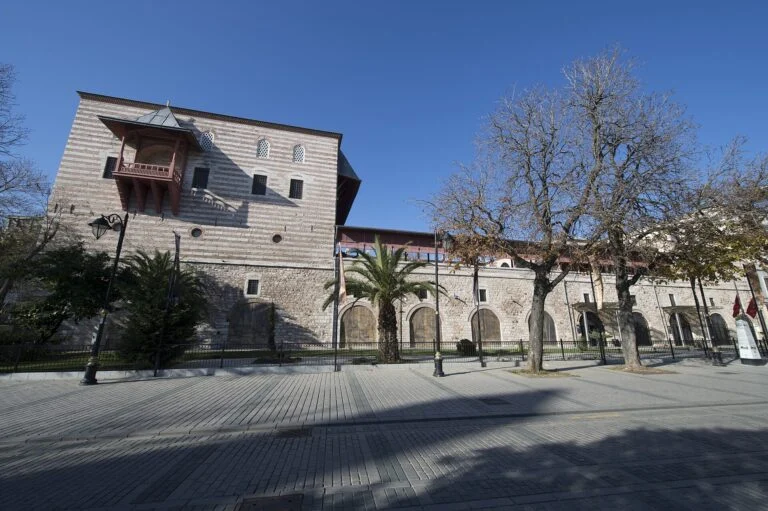
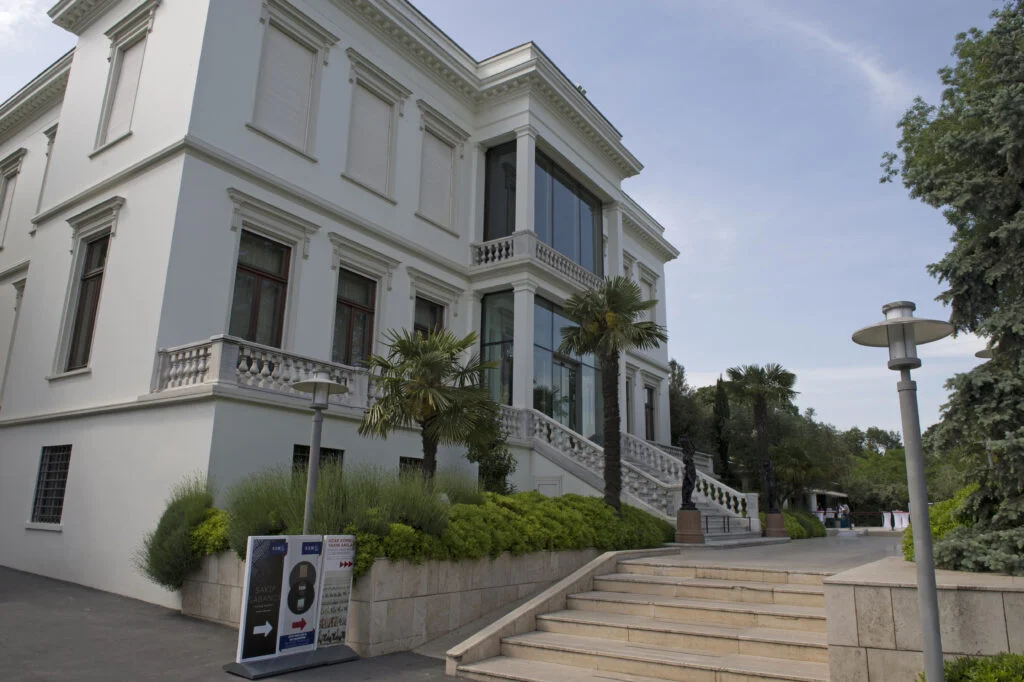
The approach to the Sakip Sabanci Museum is marked by the impressive façade of a grand historic mansion, evoking the refined elegance of late Ottoman architecture. The villa, with its distinctive wooden exterior and large windows opening onto manicured gardens, immediately signals the museum's heritage status. Surrounded by lush greenery and offering views of the Bosphorus Strait, the setting is serene and picturesque, creating a welcoming atmosphere before one even steps inside. Adjacent to the main building, a beautifully maintained garden offers peaceful spaces for reflection or leisurely walks and occasionally serves as a venue for outdoor cultural events. The entrance area is clean, well-organized, and staffed by friendly personnel who provide essential visitor information. Additionally, signage and informational panels outside help set the tone for the visit by outlining upcoming events and highlighting permanent collections, effectively preparing guests for the artistic journey within.
Highlights and Key Exhibitions
The museum’s permanent collection is a particular draw, centering on Ottoman calligraphy and painting. Its holdings include exquisite examples of illuminated manuscripts, Qur’anic texts, and intricate calligraphic panels, which demonstrate the exquisite craftsmanship that flourished under the Ottoman sultans. These pieces provide visitors with profound insights into Islamic art traditions and the religious and cultural contexts that inspired them. Complementing the calligraphy are highly refined examples of Ottoman painting, depicting court scenes, daily life, and landscapes with vivid detail and subtle coloration. The museum is also known for its decorative arts collection, featuring ceramics, textiles, and metalwork that further showcase the aesthetic richness of Turkish culture. Beyond its permanent displays, the museum thoughtfully curates a diverse range of temporary exhibitions that explore connections between local and global art movements, although these vary and should be checked on the official website. The institution also frequently supports the work of contemporary Turkish artists, providing a compelling dialogue between past masterpieces and present-day creativity.
Visitor Experience
Visitors can expect a thoughtfully designed flow throughout the museum, allowing for an immersive experience that is neither overwhelming nor rushed. The galleries are spacious and adequately lit, enabling close inspection of delicate artworks without discomfort. Labels and information panels are presented in both Turkish and English, offering detailed contextual information that enriches understanding without veering into academic jargon. Audio guides and guided tours are available and highly recommended for those wishing to deepen their engagement with the collections. The museum amenities include a café with scenic views of the Bosphorus, perfect for a restful break, and a well-curated shop offering art books, local crafts, and souvenirs that reflect the museum’s artistic ethos. While the museum encourages quiet reflection, the ambiance remains welcoming for families and groups, with educational programming that caters to various age groups. Staff are consistently reported to be approachable and knowledgeable, adding to the overall positive impression.
Tickets, Access, and Planning
Ticketing is straightforward, with options for single admissions, discounts for students, seniors, and groups, as well as free entry on specified days that are promoted through the museum’s communication channels. Advance booking is advised during peak tourist seasons or when special exhibitions are running, to ensure availability and smooth entry. Located on the European side of Istanbul, the museum is accessible by public transport and taxis; however, visitors should plan extra time for travel due to traffic congestion common in the city. Parking is limited but available on site for those arriving by car. The museum is wheelchair accessible, with elevators and ramps facilitating movement for visitors with mobility challenges. Signage throughout the premises aids navigation, and facilities such as restrooms and seating areas are well-maintained. Nearby amenities include hotels and restaurants, making it convenient for those fitting the museum visit into a broader exploration of Istanbul. Opening hours are generally consistent but subject to change during holidays or special events, so checking the official website before visiting is prudent.
Final Verdict
The Sakip Sabanci Museum represents a distinguished cultural jewel in Istanbul’s museum landscape, offering a richly layered exploration of Ottoman artistic traditions alongside contemporary art expressions. Its setting in a historic villa overlooking the Bosphorus adds an undeniable charm and context that enhances the visitor’s experience beyond the artworks themselves. The permanent collections, with a strong emphasis on calligraphy and decorative arts, provide a rare and valuable glimpse into a cornerstone of Turkish cultural identity, while the museum’s evolving exhibitions introduce fresh perspectives that keep the institution dynamic and relevant. Facilities and visitor services meet high standards, contributing to an overall comfortable and enlightening engagement with the arts. While access logistics warrant some advance planning, the rewards of a visit to this museum are substantial for those interested in Ottoman heritage, Islamic art, or the vibrant art scene of Turkey today. For art lovers and cultural enthusiasts travelling to Istanbul, the Sakip Sabanci Museum is undoubtedly a must-see destination that promises deep enrichment and inspiration.