Railway Museum Review
Railway Museums · Wylam, United Kingdom. Nestled in the charming village of Wylam, the Railway Museum stands as a significant tribute to the origins and evolution of railway transportation in the United Kingdom. Wylam is known for its profound place…
Railway Museums · Wylam, United Kingdom. Nestled in the charming village of Wylam, the Railway Museum stands as a significant tribute to the origins and evolution of railway transportation in the United Kingdom. Wylam is known for its profound place…
Best forScience, technology, hands-on learning
Review focusRailway collections, locomotives, and visitor planning
Historical Context
Nestled in the charming village of Wylam, the Railway Museum stands as a significant tribute to the origins and evolution of railway transportation in the United Kingdom. Wylam is known for its profound place in railway history, being closely associated with the pioneering efforts of George Stephenson, often hailed as the "Father of Railways." The museum’s geographical setting reflects this rich industrial heritage, located near the site where early locomotives such as the famed "Locomotion No. 1" were first tested and operated. This association imbues the museum with an authentic atmosphere, bridging the gap between the past and present of railway innovation. The Railway Museum seeks to preserve not only the machinery that shaped Britain's transport infrastructure but also the stories of the people, technologies, and societal changes woven into the development of the railway system. As such, it offers an insightful window into the transformative impact that railways had on the industrial revolution and the modern world.
What You See on Arrival
Upon approaching the Railway Museum, visitors are greeted by an inviting façade that melds the traditional industrial architecture of historic railway facilities with modern museum design elements. The exterior, composed of brickwork and large glass panels, hints at the collection housed within—a blend of preservation and accessibility. The museum’s grounds are well-maintained, integrating restored railway tracks and outdoor displays that introduce visitors to the scale and physicality of railway equipment from the outset. Classic locomotives and carriages on static display provide an immediate visual connection to the industrial past, setting the tone for the deeper explorations to be encountered indoors. Signage and outdoor information panels offer a primer on the significance of the site, its historical figures, and key milestones in railway development. This initial experience provides a strong contextual framework that enhances anticipatory engagement before guests even step inside the museum galleries.
Highlights and Key Exhibitions
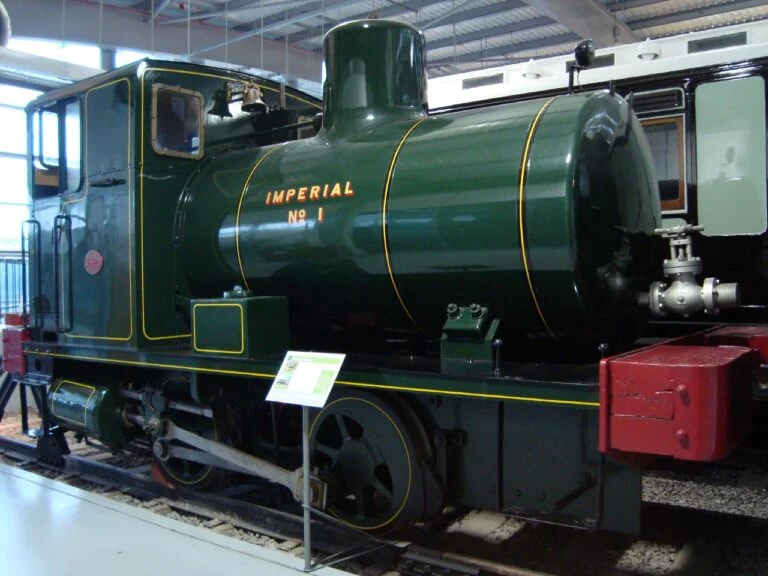
The museum’s core attraction lies in its comprehensive collection of locomotives, rolling stock, and railway artifacts that chart the trajectory of the British railway from its infancy to the mid-20th century. One of the standout features is the carefully restored early steam engines that highlight engineering breakthroughs during the nascent stages of rail travel. Several notable pieces showcase the craftsmanship and mechanical ingenuity emblematic of the period, reflecting variations in design and technological advancement over time.
In addition to the mechanical exhibits, the museum excels in narrating the broader historical narrative of railway expansion, labor, and its socio-economic impact. Displays incorporate interpretive elements, including archival photographs, engineering drawings, and multimedia presentations that reveal the lives and work of those who built and operated the railways. The inclusion of personal stories and oral histories adds a human dimension to what could otherwise be purely technical exhibits.
While the Railway Museum does not focus heavily on contemporary developments or future rail technologies, its strength lies in the detailed and authentic portrayal of the railway’s foundational era. The exhibition layout is thoughtful, allowing visitors to appreciate both the scale of the machinery and the finer details of locomotive construction. Moreover, thematic displays on railway safety, signaling, and communication technologies further broaden the interpretive scope, appealing to enthusiasts and casual visitors alike.
Visitor Experience
The Railway Museum is designed to be accessible and engaging across a broad audience spectrum, from railway aficionados and historians to families and school groups. The flow of exhibits creates a coherent journey that is easy to follow without overwhelming the visitor. Signage throughout the museum is clear and informative, balancing technical specificity with accessible language. Interactive elements, such as hands-on displays or audio guides, enhance the educational value, although the extent of these features can vary.
The museum staff are noted for their helpfulness and enthusiasm, often providing additional context and answering questions, contributing positively to the overall atmosphere. Facilities such as seating areas, restrooms, and a café on-site support visitor comfort during extended stays. The museum’s gift shop offers a well-curated selection of railway-related literature, models, and memorabilia, helping to extend the visit experience beyond the galleries.
While the Railway Museum’s historical focus offers depth, it may lack some of the dynamic engagement found in larger, more commercial railway museums, particularly in terms of interactive digital exhibits or simulation experiences. Nevertheless, for those seeking a serious and well-researched exploration of early railway history, the museum provides a rewarding visit.
Tickets, Access, and Planning
Ticket pricing at the Railway Museum is reasonable and offers good value for money given the quality and breadth of the exhibits. Discounts are generally available for children, seniors, and families, making it a viable outing for groups of varying sizes and interests. For those traveling from outside Wylam, the museum’s website delivers clear information on public transport links and parking facilities, ensuring logistical planning is straightforward.
The museum is committed to accessibility, with provisions for visitors with disabilities including ramps, accessible restrooms, and designated parking spaces. While the building maintains elements of its historical architecture, care has been taken to ensure compliance with accessibility standards without compromising the heritage environment. Audio guides and written materials are available in multiple formats to accommodate different needs.
Advance booking is recommended during peak tourist seasons, as the museum is a popular destination within the region’s cultural circuit. The official website serves as a crucial resource for up-to-date information on opening hours, any temporary closures, or special events which may influence visit planning.
Final Verdict
The Railway Museum in Wylam delivers a thoughtful, well-curated homage to the foundational period of railway history in the United Kingdom. Set against a backdrop of genuine historical significance, it excels in presenting a detailed and authentic narrative that balances technical achievement with social history. The quality of the collections, the clarity of interpretation, and the overall visitor amenities position the museum as a valuable destination for both specialist enthusiasts and general audiences.
While the museum may not incorporate the high-tech interactive elements or extensive contemporary rail coverage found elsewhere, its strength lies in its focused and knowledgeable presentation of a pivotal era. This makes it particularly appealing to those interested in the engineering and historical significance of railways rather than solely entertainment or futuristic themes. In sum, the Railway Museum offers a compelling cultural experience that honors the legacy of the railways in a manner both richly informative and accessible, securing its place within the United Kingdom’s important heritage attractions.