Perry Memorial Review
The Perry Memorial in Yokosuka, Japan, commemorates a pivotal chapter in Japanese history: the arrival of Commodore Matthew Perry and.
The Perry Memorial in Yokosuka, Japan, commemorates a pivotal chapter in Japanese history: the arrival of Commodore Matthew Perry and.
Best forMaritime history, ships, harbour heritage
Review focusCollections, visitor experience, and practical planning
Historical Context
The Perry Memorial in Yokosuka, Japan, commemorates a pivotal chapter in Japanese history: the arrival of Commodore Matthew Perry and his American fleet in the mid-19th century. This event marked the beginning of the end of Japan’s centuries-long policy of national isolation, known as sakoku, which had effectively sealed the country from much of the outside world. Perry’s 1853 arrival aboard his “Black Ships” led to the signing of the Convention of Kanagawa in 1854, opening Japanese ports to American vessels and initiating significant political, social, and economic transformations within Japan. Yokosuka itself was profoundly influenced by these developments, later becoming an important naval base. The Perry Memorial pays tribute not only to the man and his expedition but also reflects on the nuanced legacy of this encounter, which catalyzed Japan’s rapid modernization and its complex relationship with Western powers. The museum offers visitors an opportunity to explore this momentous historical episode through an array of informative exhibits and carefully preserved artifacts.
What You See on Arrival
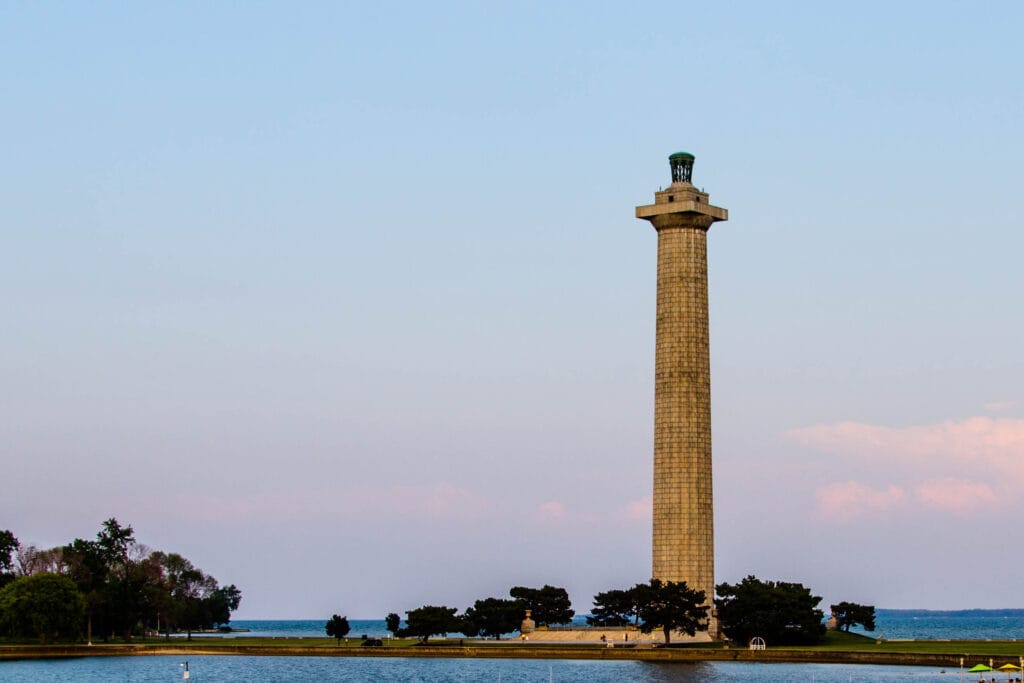
Approaching the Perry Memorial in Yokosuka, visitors are greeted by an unassuming yet dignified structure nestled within a peaceful park setting. The museum’s exterior architecture reflects restrained traditional Japanese aesthetics with modern minimalist influences, suggesting reverence for history without ostentation. The tranquil surroundings are a prelude to the contemplative experience offered inside. Near the entrance stands a prominent statue of Commodore Perry, a symbolic reminder of his lasting impact on Yokosuka and Japan as a whole. The museum’s façade is marked by clear signage and modest decorative elements that emphasize its historical dedication. Visitors immediately sense the institution’s focus on education and reflection rather than spectacle. From this point, the access to the main exhibits is straightforward, and the layout anticipates a balanced flow through the historical narrative that will unfold within.
Highlights and Key Exhibitions
The Perry Memorial is distinguished by its collection of artifacts and displays that vividly recount the Perry Expedition’s significance. One of the foremost attractions is the detailed model of the Black Ships themselves, which offers a tangible sense of the vessel design and naval technology of the era. Complementing this are original documents, including copies of treaties, letters, and sketches that contextualize diplomatic exchanges between the Japanese bakufu (government) and American envoys. The museum also houses a series of panels exploring the cultural and political ramifications of Japan’s forced opening, shedding light on both Japanese and American perspectives.
Interactive multimedia presentations are sometimes employed to deepen visitors’ understanding of the complexities involved in the encounter. Exhibits dedicated to Yokosuka’s evolution as a strategic naval base following the treaty vividly illustrate the broader consequences for the city and region. In addition, artifacts related to the life of Commodore Perry, including period uniforms and navigational instruments, personalize the historical narrative, bringing it closer to life. While the Perry Memorial does not frequently feature temporary exhibitions, its permanent collection is thoughtfully curated to provide a comprehensive and nuanced depiction of this critical juncture in Japanese history.
Visitor Experience
Visitors to the Perry Memorial can expect a well-organized and intellectually stimulating experience. The museum’s layout is designed for logical progression, guiding visitors through the buildup to Perry’s arrival, the events on and after the ships’ landing, and the subsequent transformations in Japanese society. The narrative is conveyed through multilingual interpretative panels, with English offered alongside Japanese and sometimes additional languages, valuable for both domestic and international visitors.
The ambiance within is calm and contemplative, encouraging thoughtful engagement with the often complex and sometimes contentious history presented. Staff are generally knowledgeable and approachable, although some visitors may find the explanations somewhat text-heavy and wish for more varied interpretive formats or additional audio guides. Seating areas and rest spots are adequately provided, allowing guests to pause and absorb the information. Photographic opportunities are selectively permitted, with clear guidelines to respect the preservation of exhibits.
Tickets, Access, and Planning
Entry to the Perry Memorial is typically free or modestly priced, reflecting its status as a civic cultural institution. This accessibility supports a wide audience, from history enthusiasts and scholars to tourists seeking insight into one of the crucial events shaping Japan’s modern identity. The museum’s operating hours are generally standard but subject to seasonal variation, so potential visitors should consult the official website or local resources before planning their visit.
The museum is conveniently located within Yokosuka, easily reachable by public transportation, including trains and buses. Accessibility for those with mobility challenges is thoughtfully considered, with ramps and other accommodations ensuring that most areas can be navigated without difficulty. While the museum does not provide extensive on-site parking, nearby facilities and public transit options compensate well. Visitors are advised to allocate roughly one to two hours to experience the museum fully, depending on their interest level and engagement with the exhibits.
Final Verdict
The Perry Memorial stands as an essential cultural and historical institution that encapsulates a defining moment in Japanese history. Its strength lies in the careful curation of artifacts and narratives that offer balanced insight into the complex encounter between Japan and the West. Visitors benefit from a respectful and educational atmosphere, a clear chronological framework, and thoughtful attention to the evolving legacy of Perry’s arrival.
While the museum excels in presenting a focused historical narrative, some may find the experience slightly formal and text-reliant in an age increasingly dominated by interactive and immersive exhibition styles. Nevertheless, for those seeking an informed perspective on the origins of modern Japan and the specific role Yokosuka played in global diplomatic history, the Perry Memorial remains a valuable destination.
In sum, this museum offers a meaningful journey through a critical transpacific encounter, suitable for scholars, students, and the historically curious alike. It serves both as a memorial to a moment of profound transformation and as a vibrant educational resource within the cultural landscape of Yokosuka.