Old train Review
Railway Museums · İzmit, Turkey. The Old Train museum in İzmit, Turkey, stands as a poignant tribute to the history of rail transport in the region, offering a window into the transformative era when railways reshaped commerce, industry, and…
Railway Museums · İzmit, Turkey. The Old Train museum in İzmit, Turkey, stands as a poignant tribute to the history of rail transport in the region, offering a window into the transformative era when railways reshaped commerce, industry, and…
Best forScience, technology, hands-on learning
Review focusRailway collections, locomotives, and visitor planning
Historical Context
The Old Train museum in İzmit, Turkey, stands as a poignant tribute to the history of rail transport in the region, offering a window into the transformative era when railways reshaped commerce, industry, and daily life. İzmit’s strategic location as a nexus between Istanbul and the broader Anatolian interior positioned it as a vital juncture during the expansion of the Ottoman Empire’s rail network in the late 19th and early 20th centuries. This facility, housed in a preserved railway depot, serves to commemorate the significance of rail travel not just as a mode of transport but as a catalyst for İzmit’s industrial growth, especially in manufacturing and resource distribution. As Turkey transitioned into the modern republic, the railways evolved, yet the legacy of early trains and their impact on communities like İzmit remains vividly encapsulated within the museum’s carefully curated exhibits. The Old Train museum thus bridges the past and present, narrating technological advances alongside the human stories intertwined with the tracks.
What You See on Arrival
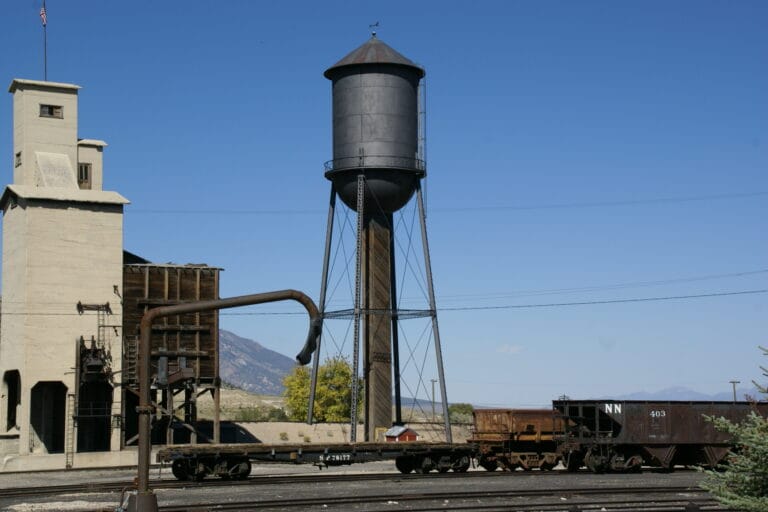
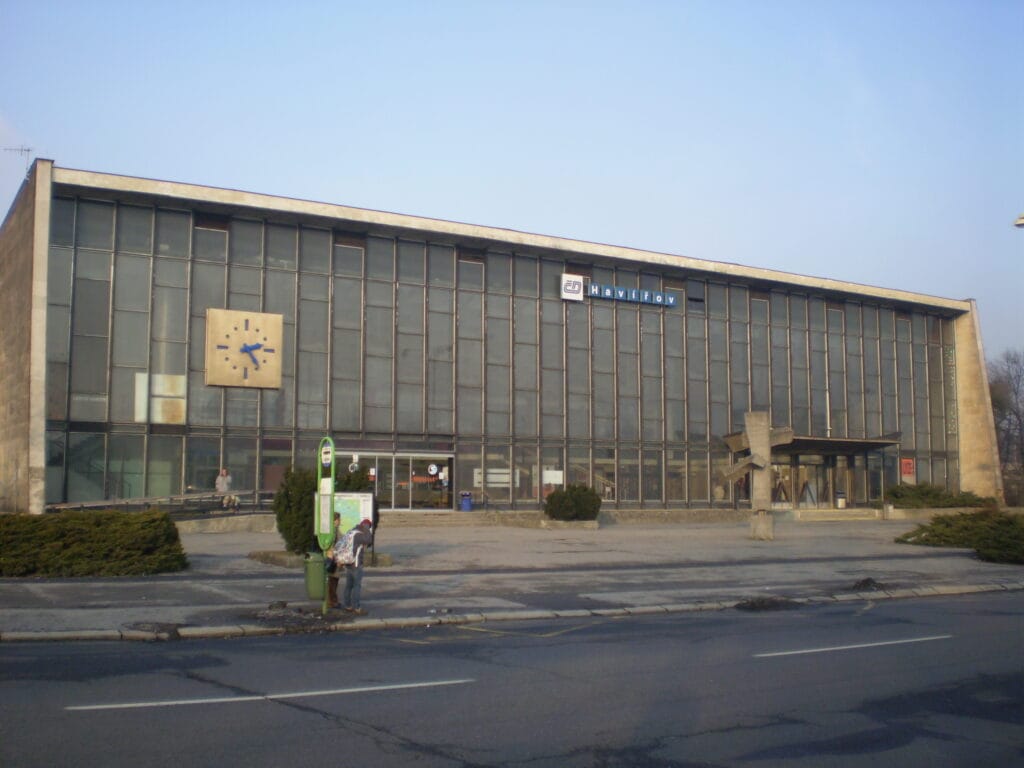
Visitors approaching the Old Train museum are welcomed by the imposing façade of the historic railway depot, a structure that itself conveys an architectural narrative of industrial pragmatism combined with early 20th-century aesthetics. The rust-red steel framework and expansive windows hint at the building’s original function, embodying the robust spirit of railway engineering. The surrounding grounds feature restored railcars and locomotives that evoke a tangible sense of history. Old tracks, some still embedded in the pavement, create an authentic setting that immediately channels visitors back to the heyday of steam and diesel travel. The station’s original signage and utilitarian equipment dotted around the entrance add layers of authenticity while serving as a gentle prelude to the museum’s indoor exhibitions. This initial encounter primes visitors to appreciate the extensive historical narrative that unfolds inside, establishing a vivid atmosphere where the romance of railways is palpable.
Highlights and Key Exhibitions
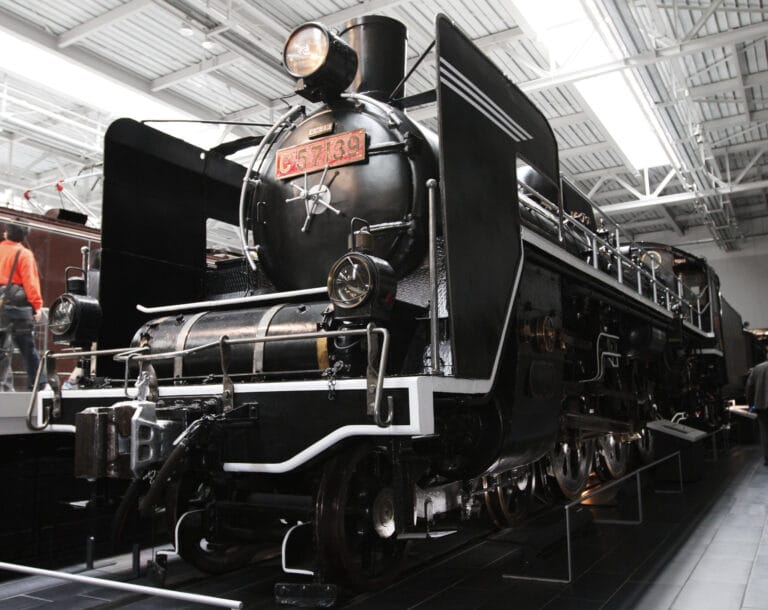
Once inside, the museum presents a thoughtfully arranged collection that balances technical detail with cultural storytelling. A standout feature is the display of early locomotives, engines painstakingly restored to showcase engineering milestones achieved during the Ottoman and early Republican eras. These machines are accompanied by detailed interpretative panels that describe their mechanical workings and historical deployment, appealing both to enthusiasts and casual visitors. Another highlight is the exhibit dedicated to the railway workers themselves—a tribute to the men and women whose labor underpinned the entire railway system. Authentic uniforms, tools, and personal artifacts lend a human dimension often overlooked in technology-centric museums.
The museum’s collection of timetables, tickets, posters, and photographs offers further insight into how railways influenced daily routines, holidays, and economic activity. Particularly compelling is an exhibition depicting the role of railways during critical historical junctures, such as wartime mobilizations and industrial booms, which situates the Old Train within broader socio-political contexts. The preservation of carriages used for passenger and freight transport not only illustrates technological evolution but also speaks to the design and comfort considerations of different periods in rail travel history.
Visitor Experience
The museum staff are generally noted for their knowledgeable and welcoming demeanor, providing guided tours that enrich the visitor’s understanding without overwhelming. Informative audio guides are available, though the clarity and depth of on-site explanations make them optional rather than essential. The layout of the museum is accessible and intuitive, allowing guests to explore at their own pace with clear signage in multiple languages. Interactive features, including a reconstructed ticket booth and signal operator’s post, create engaging learning moments, especially for younger visitors and families.
While the museum excels at immersing guests in the railway world, some might find that more seating areas and refreshment options would enhance comfort during longer visits. The balance between technical detail and cultural narrative is generally well maintained, but those with a casual interest may sometimes find the extensive mechanical descriptions more than necessary. However, these elements are essential for enthusiasts, indicating the museum’s commitment to a broad audience.
Tickets, Access, and Planning
Entry to the Old Train museum is reasonably priced, with concessions available for students, seniors, and groups, ensuring accessibility for a wide demographic. The museum operates regular hours throughout the week, though inquiries about seasonal changes or holiday closures are advisable. İzmit being a city with established public transport, various bus and train lines connect to the museum’s vicinity, facilitating convenient access. For visitors arriving by car, ample parking is provided nearby, though spaces can become limited during peak tourist seasons.
Accessibility for individuals with mobility impairments is generally good, with ramps and elevators facilitating movement between levels. However, some older railcars and parts of the depot’s infrastructure pose challenges for wheelchair users, highlighting the ongoing challenge of integrating historic sites with modern accessibility standards. Advance inquiries or consultations with museum staff can help accommodate specific needs. On-site amenities include restrooms and a modest gift shop stocked with railway-themed books, souvenirs, and locally produced crafts.
Final Verdict
The Old Train museum in İzmit stands as a commendable institution that skillfully balances historical preservation with public education. Its rich array of exhibits offers a comprehensive look at the railway’s pivotal role in shaping İzmit and, by extension, Turkey’s industrial and social fabric. The museum’s strengths lie in its authentic environment, expert curation, and the human stories it elevates alongside engineering achievements. While it caters admirably to railway aficionados, its accessible presentation ensures that general audiences can appreciate the broader narratives of change and progress embodied by rail transport.
On the downside, minor improvements in visitor comfort and the careful simplification of technical content could broaden its appeal further. Nonetheless, for those fascinated by industrial heritage or exploring Turkey’s multifaceted history, the Old Train museum represents a rewarding destination. It offers not just a glimpse into mechanical ingenuity but a deeper understanding of the forces that railways exerted on communities, economies, and national development. As an educational and cultural resource, it deserves recognition on both a regional and international level. Overall, the Old Train museum is a must-visit for anyone interested in the profound connections between technology, society, and history.