Nubian Museum Review
Archaeology Museums · Aswan, Egypt. The Nubian Museum in Aswan, Egypt, stands as a pivotal institution dedicated to preserving, celebrating, and showcasing the rich heritage of Nubia—a region that has historically bridged the Nile Valley from southern Egypt into…
Archaeology Museums · Aswan, Egypt. The Nubian Museum in Aswan, Egypt, stands as a pivotal institution dedicated to preserving, celebrating, and showcasing the rich heritage of Nubia—a region that has historically bridged the Nile Valley from southern Egypt into…
Best forScience, technology, hands-on learning
Review focusExhibits, interpretation, visitor flow
Historical Context
The Nubian Museum in Aswan, Egypt, stands as a pivotal institution dedicated to preserving, celebrating, and showcasing the rich heritage of Nubia—a region that has historically bridged the Nile Valley from southern Egypt into northern Sudan. Nubia’s importance in antiquity stretches back millennia, being a cradle of ancient civilizations that contributed profoundly to the cultural, economic, and political history of Northeast Africa. The museum’s establishment emerged from a pressing need to conserve Nubian artifacts and traditions endangered by developments such as the flooding caused by the construction of the Aswan High Dam in the 1960s, which led to the displacement of Nubian communities and the submergence of archaeological sites. Thus, the museum functions not only as a repository of historical treasures but also as a cultural testimony to the resilience and identity of the Nubian people. Its extensive collections encompass archaeological finds, ethnographic displays, and works of art that illuminate Nubia’s long-standing interactions with Egyptian, Greco-Roman, and Islamic civilizations.
What You See on Arrival
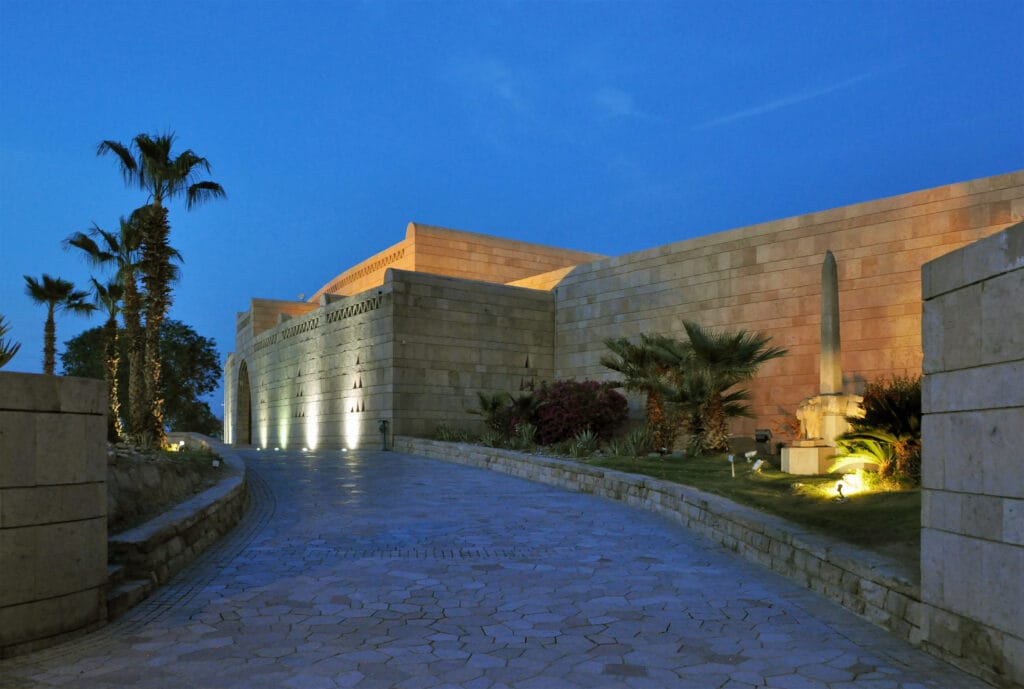
Upon approaching the Nubian Museum in Aswan, visitors are immediately struck by the architectural design that thoughtfully integrates with the surrounding landscape. The building’s warm sandstone exterior and traditional Nubian motifs pay homage to the cultural heritage it houses, creating a cohesive visual narrative from the outset. Situated on a hill overlooking the Nile, the museum offers scenic views that frame the visitor’s entry experience, hinting at the geographical and historical context of Nubia itself. The entrance area is spacious and designed for a smooth flow of visitors, leading naturally into the main exhibition galleries. Outside, landscaped gardens with indigenous flora provide a tranquil introduction that reflects the environmental setting of Nubia. Informational signage in multiple languages is prominently displayed, helping orient visitors. The presence of a gift shop and a café near the entrance also signals a well-rounded visitor experience, encouraging guests to linger and absorb the atmosphere before and after touring the exhibits.
Highlights and Key Exhibitions
The core appeal of the Nubian Museum resides in its comprehensive exhibitions that span thousands of years of Nubian civilization. A standout feature is the archaeological collection, which includes pottery, jewelry, statues, and reliefs that offer insights into daily life, spiritual beliefs, and political structures from the Pharaonic era through the Christian and Islamic periods. One of the most captivating sections is devoted to the Kingdom of Kush, highlighting Nubia’s role as a powerful and independent entity with unique achievements in architecture, metallurgy, and governance. The exhibition design skillfully employs replicas and original artifacts to contextualize historical narratives, allowing visitors to understand Nubia’s interplay with ancient Egypt, especially during periods when Nubian rulers ascended the Egyptian throne. Equally compelling are the ethnographic displays that celebrate contemporary Nubian culture—traditional dress, musical instruments, and crafts illustrate the persistence of cultural identity despite historical upheavals. The museum also features multimedia presentations and dioramas, which bring to life the archaeological discoveries and Nubian lifestyles in a dynamic fashion, enhancing engagement for diverse audiences.
Visitor Experience
The Nubian Museum offers a visit that balances educational depth with accessibility, catering to a broad spectrum of visitors from scholars and history enthusiasts to casual tourists. The layout of the museum is intuitive, with clear signage guiding visitors through chronological and thematic zones, thus facilitating a coherent storytelling experience. Exhibits are well-lit and curated with attention to detail, accompanied by descriptive labels that provide substantive information without overwhelming non-specialists. Multilingual panels make the content accessible to international audiences, though some visitors might find certain translations less polished than others. Staff members are generally approachable and knowledgeable; however, during peak periods, the level of personal interaction may vary. While photography is permitted in many sections, it is restricted in others due to the sensitivity of artifacts, an understandable policy that visitors appreciate when adequately informed. The museum’s facilities, including rest areas and the café, offer comfort and space to reflect on the exhibits. However, given the depth of the collections, dedicated time is essential to fully engage with the content.
Tickets, Access, and Planning
Ticketing at the Nubian Museum is straightforward, with prices set to be accessible for both domestic visitors and international tourists, reflecting a commitment to educational outreach. Discounts are available for students, seniors, and groups, which makes it an attractive destination for organized tours and academic visits. Opening hours are generally convenient, but potential visitors should verify timings in advance, especially during public holidays or special occasions, to avoid unexpected closures. The museum’s location in Aswan is easily reachable from the city center by taxi or organized transport, and its vicinity to other notable sites—such as the Philae Temple and the Unfinished Obelisk—makes it a fitting inclusion in any cultural itinerary. Accessibility considerations are in place, including ramps and adapted facilities for visitors with mobility challenges, although some areas with uneven surfaces might pose minor difficulties. To optimize the experience, visiting with a guide or audio commentary is recommended, given the complex historical backdrop and the nuanced cultural stories that the museum explores.
Final Verdict
The Nubian Museum in Aswan stands out as a significant cultural institution that provides a well-rounded, rich exploration of Nubia’s extraordinary history and living heritage. Its collections are both extensive and thoughtfully presented, successfully bridging the ancient and modern worlds while foregrounding a community often marginalized in broader historical narratives. The museum’s architectural charm, comprehensive exhibitions, and educational mission combine to make it an essential stop for those interested in the Nile Valley’s diverse civilizations. While it excels in content and presentation, minor areas such as translation refinement and enhanced visitor engagement during busy periods could elevate the overall experience further. Nevertheless, for anyone seeking a deeper understanding of Nubian history or the cultural mosaic of southern Egypt, the Nubian Museum offers an informative, immersive, and respectful tribute to a civilization of profound importance. It is a testament to the enduring spirit of Nubia and a vital resource for shaping future cultural appreciation and preservation.