New York City Transit Museum Review
The New York City Transit Museum, situated in the borough of Broolyn, United States, serves as a repository of the rich and complex.
The New York City Transit Museum, situated in the borough of Broolyn, United States, serves as a repository of the rich and complex.
Best forScience, technology, hands-on learning
Review focusCollections, visitor experience, and practical planning
Historical Context
The New York City Transit Museum, situated in the borough of Broolyn, United States, serves as a repository of the rich and complex history of urban transit in one of the world’s most iconic cities. Established in a locale deeply intertwined with the subway system’s past, the museum chronicles the evolution of public transportation from its inception in the early 20th century to the present day. It reflects the pivotal role that transit has played in shaping the economic, social, and cultural framework of New York City, a metropolis synonymous with speed, efficiency, and innovation. The museum’s collection offers insights into the technological advancements, challenges, and societal impacts associated with mass transit, showcasing how transit developments parallel the city’s own growth and transformations. The institution stands as an educational platform that engages both transit enthusiasts and the general public in understanding how transportation infrastructure influences urban life. Its historical grounding provides context to the ongoing urban dialogue on mobility, sustainability, and city planning.
What You See on Arrival
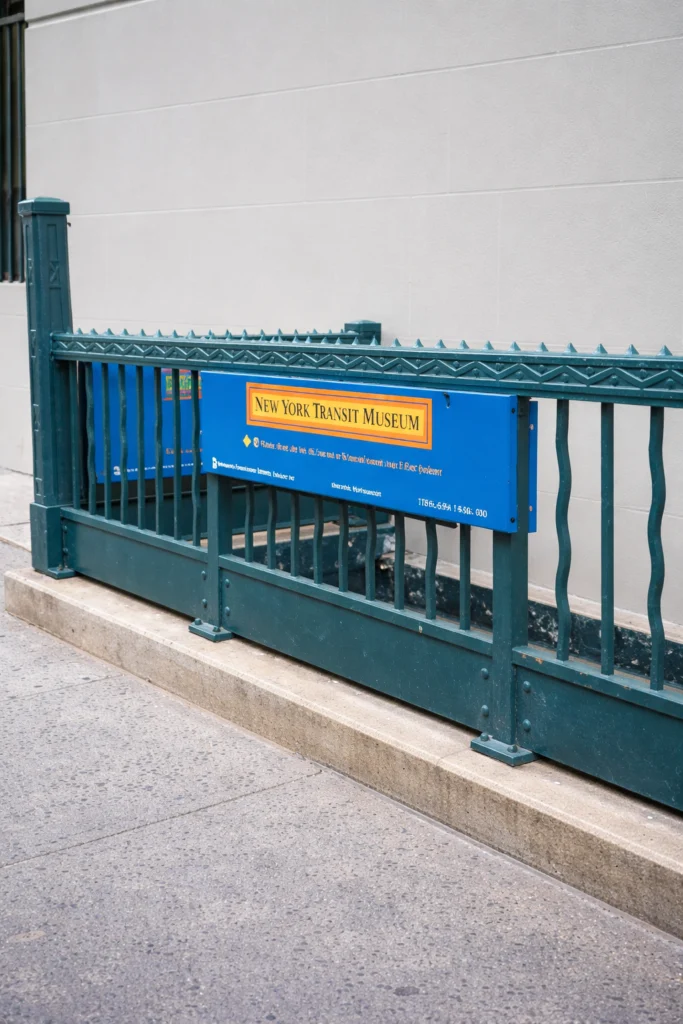
Upon arrival, the New York City Transit Museum immediately conveys its unique character and historical significance. The exterior is marked by a striking manifestation of the city’s utilitarian architectural style, lending an air of authenticity and direct connection to transit heritage. Visitors are welcomed into a space that reflects the museum’s roots in an actual former subway station, which sets it apart from traditional museum designs. The entryway, though modest, is adorned with transit signage and archival photographs that hint at the extensive collection awaiting inside. The atmosphere is one of immersion, evoking the experience of entering a bustling transit hub. This immediate visual and environmental context primes visitors to appreciate the link between the museum and the daily lives of commuters past and present. Signage and information kiosks at the entrance provide clear guidance on the layout, helping visitors orient themselves to the various exhibits and facilities throughout the building.
Highlights and Key Exhibitions
The New York City Transit Museum’s core appeal lies in its vast and meticulously curated exhibits that showcase the history and technology of one of the world’s most extensive and complex transit systems. The museum features a range of artifacts including vintage subway cars, period-specific signage, historical maps, and equipment used in the construction and maintenance of New York’s transit infrastructure. A highlight is undoubtedly the collection of decommissioned subway cars displayed on the tracks within the museum space, offering an intimate perspective on the design evolution and passenger experience from different eras.
Exhibits trace the development of subway lines, highlight significant engineering feats, and explore the social history of transit in urban life. Of particular interest is the comprehensive timeline detailing the system’s expansion phases and the challenges faced, such as technological innovations or responses to changing urban demographics. Interactive displays allow visitors to engage with operational aspects, such as track switching and signal systems, emphasizing the complexity behind daily transit operations.
The museum also delves into the cultural importance of transit through exhibits that touch on artwork, graffiti, and the ways in which public transit intersects with broader urban culture. Archival materials are supplemented with multimedia presentations, providing a dynamic visitor experience that appeals to both enthusiasts and casual learners.
Visitor Experience
The New York City Transit Museum strives to offer an educational and engaging experience for a wide range of visitors. Its design caters to families, students, history buffs, and transportation aficionados alike. The layout is thoughtfully arranged to encourage both chronological exploration and thematic discovery, allowing visitors to tailor their journey through transit history.
Educational programming and guided tours are available, enriching the visitor experience by providing expert context and storytelling. The museum is praised for its informative and accessible displays that balance technical detail with approachable language. Audio guides and digital resources enhance comprehension, though some visitors may find the dense historic content requires dedicated time to fully absorb.
The physical environment within the museum reflects its industrial heritage, with exposed brick, metal structures, and remnants of original station features lending authenticity. However, the space can feel somewhat confined in areas due to its location in an actual subway station, which may impact visitor flow during peak times. Seating areas and rest spots are thoughtfully placed to allow for downtime during extended visits.
Tickets, Access, and Planning
The New York City Transit Museum offers a straightforward ticketing system with affordable entry fees, making it accessible to a broad audience. Discounts and group rates are provided, ensuring inclusivity for school groups and those on limited budgets. Tickets can be purchased onsite and, for convenience, online in advance through the official website.
Access to the museum is well-considered, with clear directions and public transit options highlighted prominently. Given the museum’s focus, it is ideally situated near active transit lines, facilitating easy arrival for visitors who prefer public transportation. Accessibility accommodations are in place, including ramps and elevators, to support visitors with mobility challenges. However, the historic nature of the venue means some areas may present minor accessibility limitations, which are outlined clearly on official platforms.
Planning a visit benefits from reviewing the official website for current hours and any special operational notices. The museum’s layout and content recommend allowing several hours to fully engage with the exhibits. Additionally, on-site amenities include a well-stocked gift shop featuring transit-related merchandise and publications, as well as a small café that serves refreshments, contributing to a comfortable visitor experience.
Final Verdict
The New York City Transit Museum in Byram stands as a compelling and informative institution that successfully captures the multifaceted story of urban transit in one of the world’s most dynamic cities. Its unique setting within a former subway station offers a genuine and immersive historical ambiance, while its collections and exhibitions provide a comprehensive overview of transit’s technological and social evolution. The museum excels in balancing detailed, technical content with accessible presentation, making it suitable for diverse audiences.
While some spatial constraints inherent to its location may affect crowd movement and exhibit scale, these factors are offset by the museum’s engaging programming and thoughtful visitor services. It serves as an essential educational resource and a cultural landmark, celebrating the engineering achievements and everyday realities of public transportation. For anyone interested in the intersection of urban development, technology, and culture, the New York City Transit Museum offers a richly rewarding experience that contextualizes the vital role of transit in shaping metropolitan life. Its commitment to preservation and interpretation ensures it remains a valuable destination for both local residents and visitors from afar.