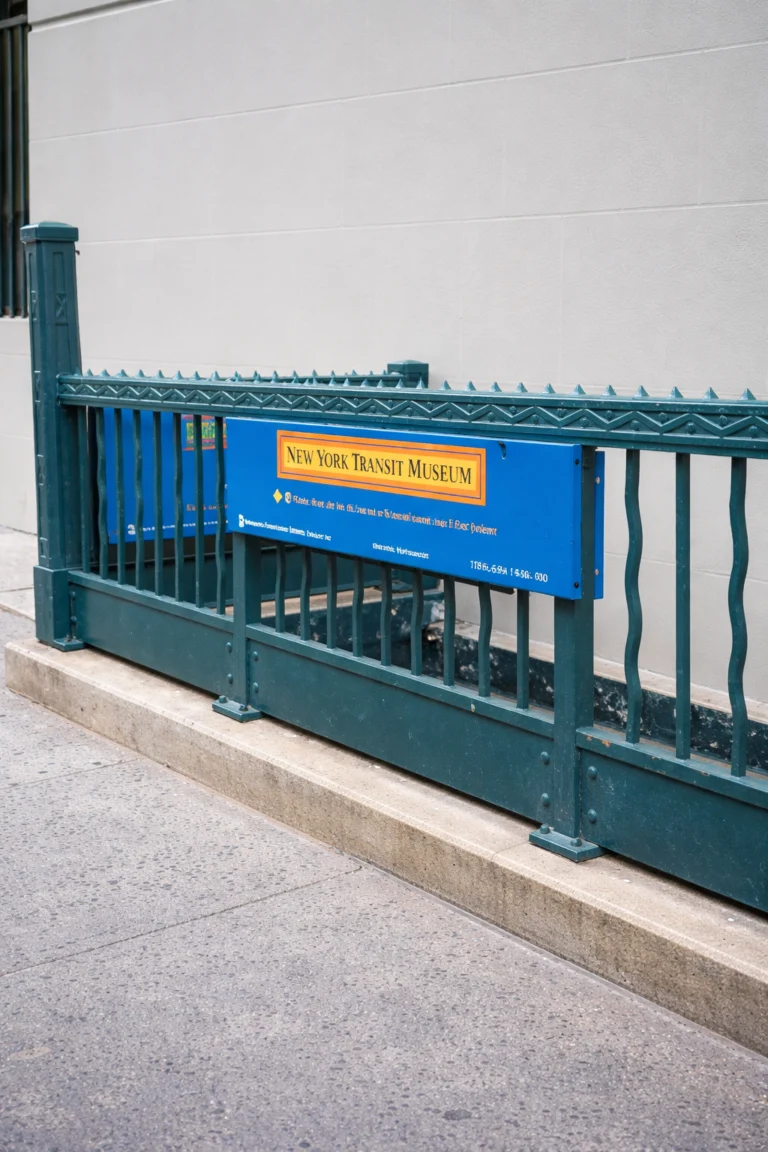
New York City Transit Museum
The New York City Transit Museum, located in Brooklyn, United States, offers a fascinating glimpse into the history and development of one of.
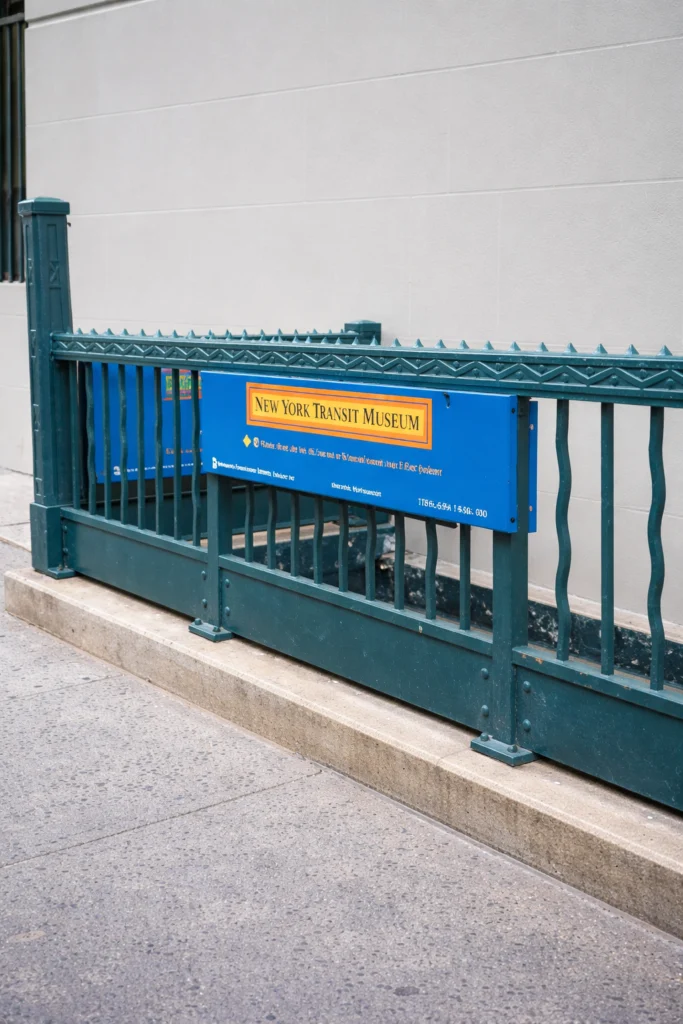
Best forScience, technology, hands-on learning
Setting / nearbyBrooklyn, United States, offers a fascinating glimpse into the history and development of
Overview
The New York City Transit Museum, located in Brooklyn, United States, offers a fascinating glimpse into the history and development of one of the world’s most extensive urban transit systems. As a dedicated railway museum, it serves as a cultural and educational resource that showcases the evolution of public transportation in New York City. Visitors can explore the rich heritage of subways, buses, and other transit modes that have shaped daily life in the city for over a century. This museum not only preserves vital pieces and stories of transit history but also invites guests to engage with the dynamic narratives of urban development and mobility.
Collection Highlights
The collection at the New York City Transit Museum is exceptional in its breadth and depth. One of its most captivating features is the array of vintage subway cars displayed on former subway platforms, each telling its own story of design, technology, and the passenger experience across different eras. These subway cars span multiple decades, illustrating the technological advancements and aesthetic changes that reflect shifting tastes and transportation needs.
The museum also exhibits an extensive assortment of artifacts including photographs, maps, posters, and tickets, all of which provide context and background to the transit system’s growth and evolution. Original signs, tools, uniforms, and control panels offer a tangible connection to the working life of the transit system’s employees. The collection helps visitors appreciate not just the mechanics of transit, but also the social and historical implications of public transportation in one of the United States’ most populous cities.
Exhibits often explore themes such as the integration of various transit lines, the challenges of building and maintaining an underground system, and the impact of transit on urban planning and community formation. Some temporary or rotating exhibits may focus on particular historical events, technological milestones, or cultural stories tied to transit. The museum’s comprehensive approach provides both transit enthusiasts and casual visitors with layered insights into the complexity and importance of urban transit.
Building and Setting
The New York City Transit Museum occupies a historically significant location that contributes greatly to its atmosphere and authenticity. Situated inside a decommissioned subway station in Byram, the museum space itself is a striking example of original subway architecture, with intact platforms, tile work, and signage from earlier periods. This unique setting allows visitors to experience the museum exhibits in an environment that closely resembles the actual context in which transit systems operated.
The preserved environment enhances the immersive experience, as visitors can physically walk through parts of the subway infrastructure, gaining a first-hand sense of the scale and atmosphere aboard vintage trains and beneath city streets. The museum’s location also serves as a reminder of the continuous changes and adaptations required in urban transit systems, evident in the care taken to maintain and repurpose such infrastructure for educational use.
Surrounding the museum is the neighborhood of Byram, an area with its own rich history that intersects with the broader story of regional transit development. The museum’s place within the city landscape makes it accessible for both tourists and locals interested in exploring the connections between transportation and urban life.
Practical Information
For those planning a visit to the New York City Transit Museum, it is advisable to check the museum’s official website at http://mta.info/mta/museum/index.html ahead of time to confirm the latest information regarding opening hours, ticket prices, and any special safety protocols or exhibition schedules. Such details can sometimes change without extensive advance notice.
The museum generally offers a range of ticket options, including general admission and discounted rates for seniors, students, and children. Some special programs or events may require separate registration or an additional fee. Accessibility information is also available through the museum’s official channels, addressing needs for visitors with mobility challenges or other considerations.
Visitors should allow ample time to explore both the main exhibit areas and any temporary exhibitions or special displays. Photography policies usually permit non-flash photography for personal use, but large groups or commercial photography might require prior approval. The museum also typically includes amenities such as a gift shop with themed merchandise and books related to transit history, as well as spaces for rest and refreshments.
Why Visit
The New York City Transit Museum is a compelling destination for anyone interested in urban history, engineering, design, or the everyday experiences of city life. It offers a rare opportunity to delve into the complex story of New York City’s transit infrastructure, which has played a crucial role in shaping the city’s growth, culture, and character.
Beyond the impressive collection of artifacts and vehicles, the museum invites reflection on the broader social and economic impacts of public transportation—how it connects communities, influences urban planning, and adapts to changing technologies and needs. The museum’s unique setting within a former subway station further enhances the visitor experience, making the history of transit tangible and engaging.
Families, historians, transit enthusiasts, and curious travelers alike will find the museum a welcoming space that combines education with immersive experience. Whether appreciating the craftsmanship of vintage subway cars, learning about the people who built and operated the system, or considering future transit challenges, visitors leave with a deeper appreciation for the essential role of transit in urban life. The New York City Transit Museum is not simply a repository of relics; it is a vibrant storytelling hub connecting past, present, and future journeys.