National Postal Museum Review
The National Postal Museum, located in Washington, D.C., stands as a testament to the rich history and evolution of postal services in.

The National Postal Museum, located in Washington, D.C., stands as a testament to the rich history and evolution of postal services in.
Best forScience, technology, hands-on learning
Review focusCollections, visitor experience, and practical planning
Historical Context
The National Postal Museum, located in Washington, D.C., stands as a testament to the rich history and evolution of postal services in the United States. Established to preserve and interpret the story of America's postal system, this institution chronicles the significant role mail has played in communication, innovation, and nation-building. The museum highlights key developments from the early colonial era to the modern day, reflecting the transformative impact of postal services on society, commerce, and culture. It also situates the U.S. postal narrative within a broader global context, acknowledging the universal importance of mail systems. Set near the historic Union Station, the museum connects visitors not only to postal history but also to the broader transportation and communication networks that have shaped American society. Its collections encompass an extensive range of artifacts, including postage stamps, mail transportation vehicles, and equipment, which collectively reveal the complexities and ingenuity behind the delivery of letters and packages. The National Postal Museum thus serves as both an educational resource and a cultural repository dedicated to the enduring legacy of mail.
What You See on Arrival
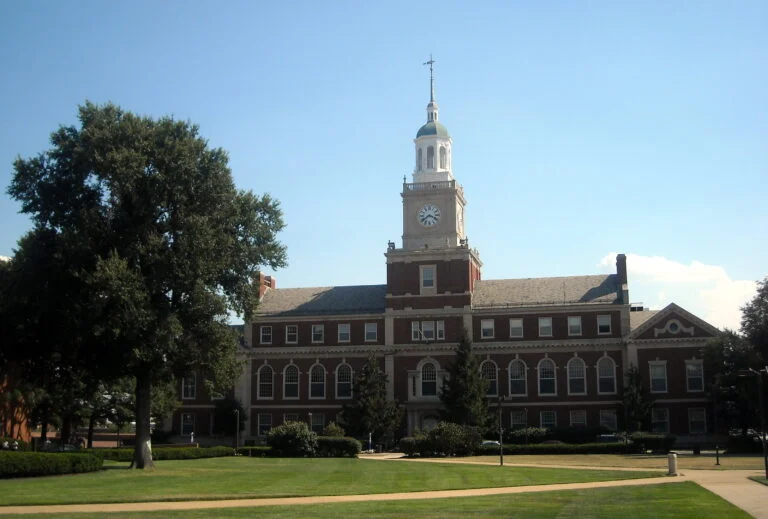
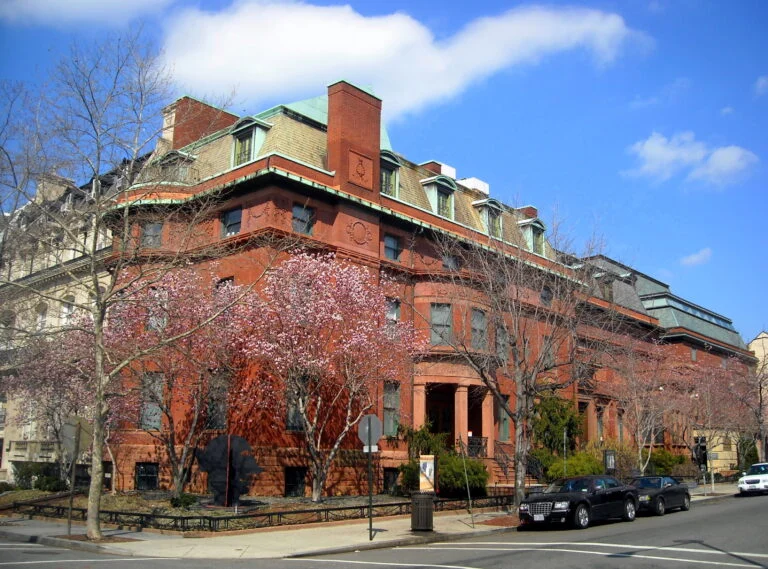
Upon approach, visitors are greeted by a striking exterior that harmonizes with its historic surroundings near Union Station. The building’s façade reflects an architectural style suited to a grand yet accessible cultural institution. The entrance leads into a spacious, well-lit atrium that provides clear, welcoming sightlines into the museum’s interior. Prominent graphic displays and directory signage guide visitors efficiently toward ticketing and exhibit areas. The lobby’s design emphasizes openness, setting an inviting tone as visitors prepare to embark on their exploration of postal history. One immediately notices the blend of modern exhibition techniques with period-inspired motifs, creating an atmosphere that respects tradition while engaging contemporary audiences. Interactive kiosks and informative panels preview the thematic organization of the exhibits, giving visitors a glimpse of the narratives and artifacts that await them. Comfortable seating and a conveniently located museum shop combine to enhance the arrival experience by marrying functionality with ambiance.
Highlights and Key Exhibitions
The National Postal Museum’s curatorial strength lies in its comprehensive coverage of postal evolution, showcased through an array of compelling exhibits and artifacts. Among the central displays is the expansive stamp collection, featuring rare and historically significant postage stamps from the United States and around the world. Some of these stamps represent milestones in printing technology and postal policy, as well as reflections of cultural changes over time. The museum also emphasizes the development of mail transportation, presenting historic vehicles such as mail trucks, train cars, and even a restored mail plane. These convey the logistical ingenuity required to maintain the nation’s vast communication network.
Another focal point of the museum’s narrative is the role of postal workers. Exhibits honor the professional dedication and daily challenges faced by those who have served within the postal system, including stories about the service’s role during wartime and its contributions to civil rights movements. The educational displays use multimedia presentations to bring these histories to life, incorporating oral histories, archival footage, and interactive components that allow visitors to gain a deeper understanding of the human element behind mail delivery.
The museum also explores the broader cultural significance of letters and correspondence, showcasing how handwritten communication has influenced literature, personal relationships, and diplomacy. This is supplemented by unique temporary and rotating exhibitions that delve into specific themes or notable postal anniversaries, enriching the overall visitor experience without overwhelming the permanent collection.
Visitor Experience
Visitors can expect a thoughtfully designed experience that balances education with engagement. The layout is intuitive, encouraging a fluid progression through thematic zones that build upon one another logically. Informative placards provide thorough context without becoming overly technical, striking an accessible tone for a diverse audience. Interactive stations cater especially to younger visitors, offering hands-on activities such as stamp designing and mail sorting simulations, which inject a playful dimension into the learning process.
Multimedia installations further enhance the sensory engagement, featuring audio elements such as historic radio announcements and reenactments that transport visitors through different eras of postal history. The museum’s staff are generally noted for being knowledgeable and approachable, capable of offering additional insights during guided tours or casual conversations. Accessibility is emphasized throughout, with clear signage, wheelchair ramps, and seating available at regular intervals to ensure comfort during the visit.
Educational programs and workshops extend the museum’s reach beyond passive viewing, encouraging participation from school groups and family audiences alike. This commitment to interactive education helps foster an appreciation for the often-overlooked world of mail and postal operations, making the visit both informative and memorable.
Tickets, Access, and Planning
Entrance to the National Postal Museum is free of charge, a notable advantage for visitors seeking an enriching cultural experience without financial barrier. This accessibility aligns with the museum’s public service mission and allows for broader community engagement. The museum is conveniently situated within close proximity to Union Station, making it easily accessible by public transportation, including Metro, bus, and commuter rail services. Nearby parking options are also available, albeit at a premium given the central urban location.
Hours of operation typically accommodate both weekday and weekend visits, though it is advisable to consult the official website before planning a trip, as occasional changes or holiday closures can occur. The website also offers practical information such as directions, event calendars, and current health and safety protocols, which facilitates smooth visitor planning.
On-site amenities include a museum shop offering a variety of postal-themed memorabilia, books, and educational materials, allowing visitors to take a piece of the experience home. Refreshments are available nearby, though the museum itself does not have an extensive dining facility, so planning accordingly is recommended for visitors who intend to spend several hours exploring.
Final Verdict
The National Postal Museum offers an intriguing and multifaceted glimpse into the United States’ postal heritage, combining historical artifacts, engaging multimedia presentations, and educational resources into a coherent and rewarding experience. Its strength lies in the depth and variety of its collection, which appeals not only to philatelists but also to general audiences interested in communication, technology, and social history. The museum skillfully balances scholarly rigor with accessible interpretation, ensuring that visitors of varying ages and backgrounds can find points of connection and interest.
While the absence of a full-service café may be a minor inconvenience for some visitors, the overall facilities and staff support contribute positively to the visit. The museum’s location near a major transportation hub enhances its appeal, making it a convenient cultural stop in the nation’s capital. Offering free entry further underscores its role as a public resource dedicated to preserving and sharing postal history.
In summary, the National Postal Museum is a distinctive and enriching institution, providing a nuanced perspective on a seemingly everyday service that has profoundly shaped American life. It invites visitors to appreciate the complexities and human stories behind mail delivery, transforming a familiar topic into an engaging journey through time. For anyone interested in history, communication, or Americana, this museum represents a valuable and enjoyable destination.