National Museum of Iceland Review
Reykjavík, Iceland. The strength of the National Museum of Iceland lies in its commitment to telling Iceland’s story through objects anchored firmly in time and place. Unlike broader Nordic museums or sweeping European histories, this institution…
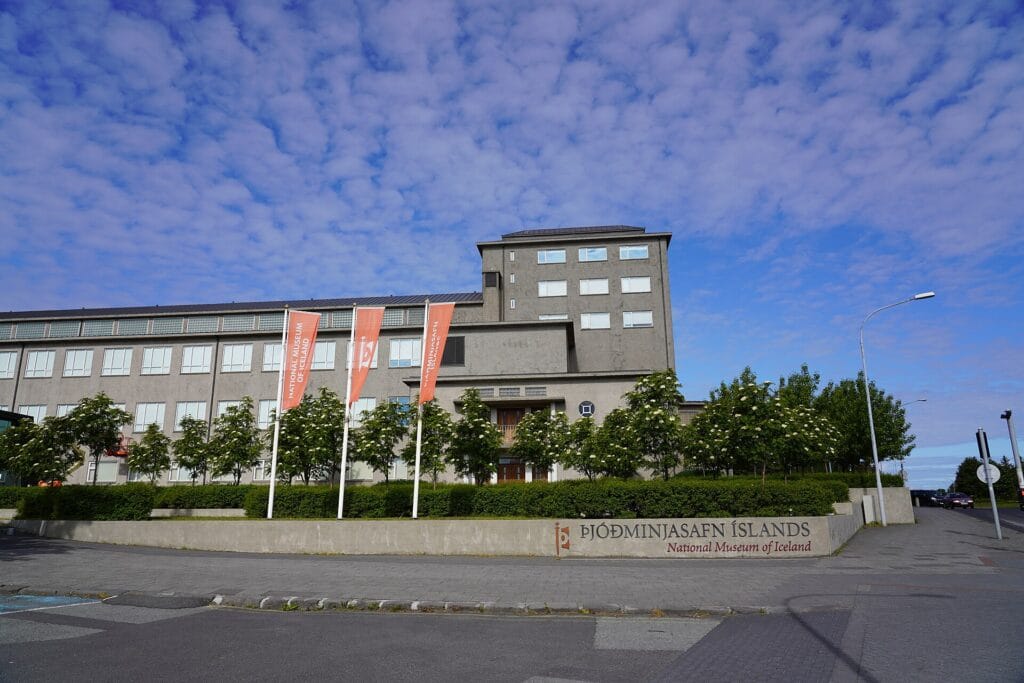
Reykjavík, Iceland. The strength of the National Museum of Iceland lies in its commitment to telling Iceland’s story through objects anchored firmly in time and place. Unlike broader Nordic museums or sweeping European histories, this institution…
Best forMuseum lovers, culture travelers, first-time visitors
Review focusCollections, visitor experience, and practical planning
A Tight Historical Focus Shaping Visitor Expectations
The strength of the National Museum of Iceland lies in its commitment to telling Iceland’s story through objects anchored firmly in time and place. Unlike broader Nordic museums or sweeping European histories, this institution narrows its lens to chart the social and cultural evolution of Iceland specifically. It does this with a discipline that can both satisfy and limit. Visitors encounter a clear, material-based narrative from the Viking settlement onward, set against the island’s challenging environment and shifting governance. This focus allows depth rather than breadth, trading an all-encompassing approach for one that brings the Icelandic experience itself into sharper, more concrete relief. The museum’s chronological and thematic structure supports this well, helping visitors track how political structures, religious practices, and daily life interconnect over centuries.
However, this sharp focus does mean its appeal narrows. Visitors expecting a Nordic panorama or a grand artistic or natural history sweep will find only brief engagements with art or environment. The museum’s defining commitment—to Iceland’s distinct national history—frames its entire collection and curatorial choices, shaping what visitors see and how they understand it. This creates a tight narrative coherence but forecloses a more comparative or multicultural experience.
Archaeology and Material Culture as Narrative Pillars
What sets the National Museum apart is its reliance on artifacts such as church items, manuscripts, and everyday tools to translate centuries of Icelandic life. The museum’s medieval religious objects, including relics from bishoprics and churches, and iconic manuscripts tied to saga literature, provide rare windows into Iceland’s written tradition and spiritual world. These pieces anchor the medieval period while establishing continuity with the island’s settlement era. Equally important are the items illustrating daily and domestic life: tools, textiles, and knitwear that reveal a gradual adaptation to environmental and social changes. This dual emphasis tells both the grand story of nation-building and the quieter one of individuals coping with isolation and natural limits.
The tangible presence of these artifacts enables visitors to move beyond abstract historic accounts. For example, seeing early Christian silver alongside wooden household objects underscores the intersection of faith and function in an isolated setting. Yet, this artifact-driven approach can challenge those unfamiliar with archaeology or ethnographic presentation styles. It demands sustained attention to detail and sometimes dense explanatory labels to connect objects to broader narratives.
Exhibit Design and Flow Reflect Historical Rigor
The museum’s layout organizes exhibits chronologically and geographically to guide visitors through Iceland’s history logically and methodically. This clarity allows a steady progression from Viking Age archaeology through to modern republic formation, reinforcing the interpretive thread. The galleries support close examination and controlled pacing, which suits a reflective visitor rather than one seeking impulsive spectacle. This measured presentation encourages piecing together a historical puzzle from communal life, religion, and governance artifacts, creating a cumulative understanding.
On the other hand, this rigor means the museum’s visual and spatial dynamics are restrained. The lack of theatrical reconstructions or immersive multimedia might make some sections seem static or slow, particularly for general audiences. The experience does not emphasize entertainment or spectacle, instead asking for thoughtful engagement with textual and physical material. Those who appreciate methodical history benefits; casual visitors might find the flow demanding.
Audience Alignment and Intellectual Demands
By centering its story on Iceland’s historical evolution through original artifacts, the museum best suits visitors with specific interests in archaeology, medieval history, or cultural anthropology. This includes scholars, history enthusiasts, or those with prior knowledge of Viking settlement and Icelandic culture. The collection’s detail and the density of written interpretation reward those prepared for concentrated reading and critical thought.
Visitors less familiar with these topics or those seeking a light or broadly accessible introduction may find parts of the exhibit challenging. The signage is factual rather than evocative, avoiding theatrical narration or simplified storytelling. Visitors without context might struggle to connect some objects to bigger themes without supplemental reading or guidance. This makes the museum less suitable for tourists seeking a quick cultural snapshot or families with young children hoping for interactive engagement.
Comparing the National Museum with Reykjavík’s Broader Museum Scene
Within Reykjavík, the National Museum of Iceland distinguishes itself by its comprehensive archaeological and ethnographic approach to national history. Unlike the Saga Museum with its wax figures dramatizing famous narratives, or the Reykjavík Art Museum focusing on contemporary visual arts, this museum remains anchored in physical evidence of life across centuries. Its mission is closer to academic history than theatrical performance or artistic expression.
This specificity clarifies the museum’s purpose but also makes it less flexible as an introduction to Icelandic culture for the general public. Other museums might captivate broader audiences through sensory immersion or entertainment. In contrast, the National Museum requires a willingness to engage with slower, text-heavy displays centered on material culture and historical context.
Rotating Exhibits as Occasional Extensions
The National Museum offers temporary exhibitions that delve deeper into particular themes or integrate recent research and contemporary artistic perspectives related to Icelandic history. These temporary shows provide returning visitors fresh content and can broaden the museum’s usual chronological focus. They can bring in narrower but sometimes more vivid stories or contemporary voices responding to the past.
Since these exhibits change, they can temporarily extend the museum’s tone and range beyond the permanent displays. Prospective visitors interested in current research developments or specific historical themes should check the museum’s official website for up-to-date programming that might align with their interests and offer a more dynamic experience.
Practicalities and Visitor Preparation
Potential visitors should verify all details about opening hours, ticketing, accessibility, and visitor services on the museum’s official website ahead of their visit. This is important as practical arrangements may shift with the season or public health conditions. The museum’s focused content means that planning a visit of around 90 minutes to two hours is reasonable for most, though specialists might want to allocate more time for study.
Because the National Museum does not use extensive multimedia or hands-on exhibits, visitors should come prepared to engage with textual and material evidence. Those without a background or strong interest in history might seek supplementary materials or guided tours where available to enhance understanding.
Editorial Assessment and Recommendation
This museum excels at presenting a coherent, artifact-centered history of Iceland that is both scholarly and meticulously arranged. It answers the question “How did Iceland become Iceland?” through its unique material record rather than through broad cultural overviews or entertainment. Its well-defined narrative and archaeological collections provide a solid foundation for serious study and reflection about Iceland’s past and identity.
At the same time, this exacting focus narrows who will gain the most from a visit. The National Museum suits those ready to engage with dense historical information supported by original objects and who have a particular interest in Iceland’s formation over time. It is not designed for casual browsing or for visitors seeking spectacular or narrative theatrical presentations.
For readers deciding whether to visit, the museum offers a richly detailed, disciplined exploration of Iceland’s journey from settlement to modern nation. Those drawn to carefully contextualized material culture and chronological interpretation will find its clarity and substance rewarding. Others may prefer museums with broader thematic scope or more immersive displays. In sum, the National Museum of Iceland is a rigorous institution whose strength is in focused historical storytelling through tangible evidence. Check the official website for current exhibits and visitor conditions before planning a trip.