National Motor Museum Beaulieu Review
Automobile Museums · Beaulieu, United Kingdom. The National Motor Museum Beaulieu, located in the picturesque village of Beaulieu in the United Kingdom, stands as a significant institution dedicated to the preservation and celebration of motoring heritage. Established in 1952 by…
Automobile Museums · Beaulieu, United Kingdom. The National Motor Museum Beaulieu, located in the picturesque village of Beaulieu in the United Kingdom, stands as a significant institution dedicated to the preservation and celebration of motoring heritage. Established in 1952 by…
Best forArchitecture, royal history, heritage
Review focusVehicle collections, design history, and visitor planning
Historical Context
The National Motor Museum Beaulieu, located in the picturesque village of Beaulieu in the United Kingdom, stands as a significant institution dedicated to the preservation and celebration of motoring heritage. Established in 1952 by Edward Douglas-Scott-Montagu, the 3rd Baron Montagu of Beaulieu, the museum was initially conceived to showcase his personal collection of automobiles. Since its inception, the museum has evolved into one of the most comprehensive and respected automotive museums in the world. It offers a compelling narrative that traces the historical development of motor vehicles from the late 19th century to the present day. The museum not only reflects the technological advancements of the automotive industry but also captures the social, cultural, and economic impact of motor vehicles on British society and beyond. Situated within the grounds of Beaulieu Abbey and surrounded by scenic New Forest countryside, the museum benefits from a unique setting that enhances its appeal to both automobile aficionados and general visitors alike.
What You See on Arrival
Upon approaching the National Motor Museum Beaulieu, visitors are greeted by an impressive Victorian-style entrance building that sets the tone for the historic treasures within. The museum is situated within a sprawling estate, which includes the Beaulieu Palace House and the ruins of Beaulieu Abbey, though access to these sites typically requires separate arrangements or tickets. The arrival area is well-organized, featuring clear signage directing visitors towards the main exhibition halls, the museum shop, and café facilities. The welcoming atmosphere is complemented by a spacious car park, designed to accommodate a wide range of visitor vehicles.
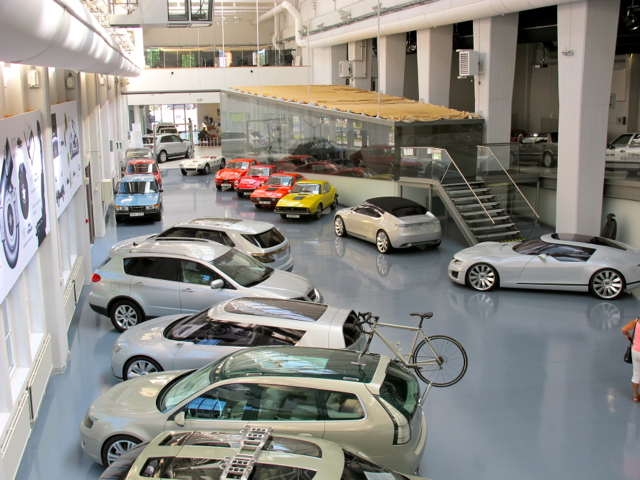
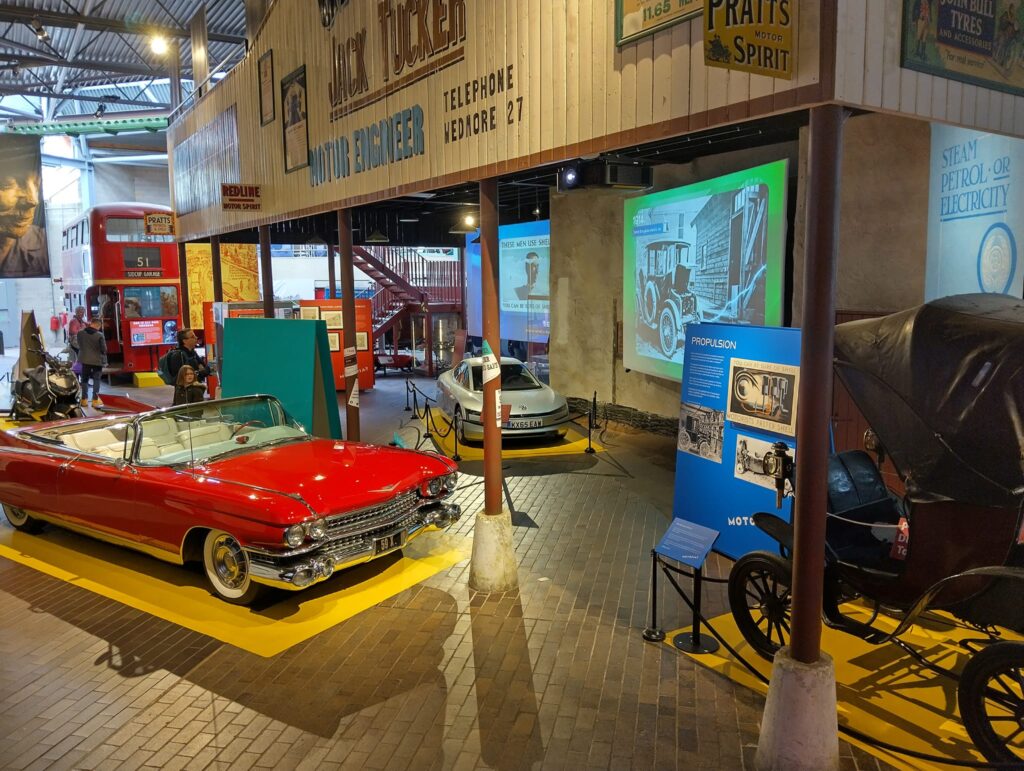
The first views inside the museum reveal a carefully designed layout that encourages exploration. The main exhibition hall is expansive, housing a large array of vehicles arranged chronologically and thematically. Visitors immediately notice a mix of veteran, vintage, classic, and modern automobiles, displayed alongside informative panels, multimedia presentations, and historic photographs. The architecture of the museum interior integrates natural light, which brings out the colour and sheen of the vehicles while making the overall environment inviting. The setting encourages a leisurely pace, allowing visitors to immerse themselves in the rich stories behind each exhibit without feeling rushed.
Highlights and Key Exhibitions
Among the standout features of the National Motor Museum Beaulieu is its exceptional collection of over 250 vehicles, spanning more than a century of motoring history. One of the core strengths of the museum lies in its breadth and diversity. From early motorcars that embody pioneering engineering feats to iconic British marques such as Rolls-Royce, Bentley, and Jaguar, the collection delivers a comprehensive overview of automotive evolution.
A particularly notable exhibit is the display dedicated to the development of the British motor industry, which combines vehicles with contextual information detailing manufacturing techniques, design trends, and the socio-economic factors influencing car production. Vintage racing cars occupy a prominent place, reflecting the United Kingdom’s storied history in motorsport. These vehicles are often accompanied by detailed narratives about the drivers, races, and technological innovations that shaped the sport.
Another highlight is the collection of royal vehicles, underscoring the historical connection between the monarchy and the automobile. These cars often impress with their regal design and bespoke craftsmanship, contributing to the museum’s unique appeal. For enthusiasts interested in automotive design and lifestyle, there are displays exploring motoring memorabilia, advertising, and related cultural artefacts. The museum balances its focus on vehicles with these supplementary exhibits to present a holistic view of motoring’s impact on everyday life.
Visitor Experience
The visitor experience at the National Motor Museum Beaulieu is carefully curated to engage a wide audience, from casual tourists to dedicated car enthusiasts. The museum’s interpretive signage is detailed and accessible, offering clear explanations without overwhelming the reader. Audio guides are available, adding an extra layer of depth for those seeking a more informative visit. Interactive elements and digital displays are integrated in certain areas to provide dynamic learning opportunities, particularly appealing to younger visitors and families.
The museum staff are generally praised for their knowledge and friendliness, contributing to an inviting and helpful atmosphere. Facilities such as the on-site café provide a comfortable space for rest and refreshments, with views overlooking the museum grounds. The gift shop offers an extensive range of automotive-themed merchandise, books, and souvenirs that cater to varying budgets and interests.
The museum grounds offer additional attractions, including the scenic walk through the Abbey ruins and the adventure playground for children, making a trip to Beaulieu a more versatile day out. However, some areas of the museum can become quite busy during peak seasons or weekends, which may detract slightly from the visitor’s ability to fully appreciate all exhibits without interruptions.
Tickets, Access, and Planning
Ticketing options at the National Motor Museum Beaulieu provide flexibility for different types of visitors. Admission prices cover access to the motor museum itself as well as to several other attractions on the Beaulieu estate, including the historic house and the Abbey ruins, making it an economical choice for those wishing to explore the full site. Discounts are available for seniors, children, and families, and advance booking is recommended, especially during holidays and school breaks to avoid long queues.
Accessibility is a priority for the museum, with provisions made for visitors with mobility challenges. Pathways throughout the museum are largely wheelchair accessible, and assistance is available on request. Ample parking spaces are designated for blue badge holders close to the entrance, further facilitating ease of access. For those relying on public transport, the site can be reached by bus services from nearby towns, though availability may vary by season, making private transport or car hire the most reliable options for arriving at Beaulieu.
Additional planning considerations include checking the museum’s official website for opening hours, as seasonal changes may affect availability. The museum is closed on certain public holidays, so prospective visitors should verify dates in advance. Photography is generally allowed within the main exhibition spaces, but flash photography or touching exhibits is prohibited to protect the vehicles.
Final Verdict
The National Motor Museum Beaulieu offers an enriching and comprehensive glance into the history of the automobile within a uniquely beautiful setting. Its extensive collection is impressive for its scope and depth, effectively contextualized with well-crafted interpretive materials. This makes the museum accessible and engaging for a diverse spectrum of visitors, accommodating both enthusiasts keen on technical and historical details and families looking for an enjoyable day out.
While the museum excels in its presentation and breadth, moments of crowding during busy periods and the separate ticketing for certain estate areas can pose minor inconveniences. Nonetheless, the quality of the exhibits and the overall visitor experience remain strong draws, encouraging repeat visits and positive word of mouth. With its thoughtful integration of vehicles, memorabilia, and social history, the National Motor Museum Beaulieu stands as a distinguished repository for motoring heritage and a valuable cultural destination within the UK’s museum landscape. Whether for a casual visitor or an automotive aficionado, the museum provides a meaningful exploration of the enduring fascination with motor vehicles and their place in British history.