Mystic Seaport Museum Review
Maritime Museums · Mystic, United States. The Mystic Seaport Museum, located in Mystic, Connecticut, holds a distinguished position as one of the premier maritime museums in the United States. Established in 1929, it has grown to become a significant repository…
Maritime Museums · Mystic, United States. The Mystic Seaport Museum, located in Mystic, Connecticut, holds a distinguished position as one of the premier maritime museums in the United States. Established in 1929, it has grown to become a significant repository…
Best forMaritime history, ships, harbour heritage
Review focusMaritime collections, ship history, and visitor planning
Historical Context
The Mystic Seaport Museum, located in Mystic, Connecticut, holds a distinguished position as one of the premier maritime museums in the United States. Established in 1929, it has grown to become a significant repository of American maritime history, culture, and heritage. The museum's mission is firmly rooted in preserving the legacy of seafaring and shipbuilding, particularly focusing on the 19th and early 20th centuries when the United States was at the height of its maritime prowess. Mystic itself, historically a thriving shipbuilding and whaling hub, provides an authentic backdrop that enriches the museum’s narrative. Over the decades, the museum has expanded its scope to include not only ship restoration and preservation but also extensive collections of artifacts, documents, and artworks related to maritime life. This comprehensive approach ensures visitors gain a nuanced understanding of the intricate relationship between seafaring communities and America’s broader historical development.
What You See on Arrival
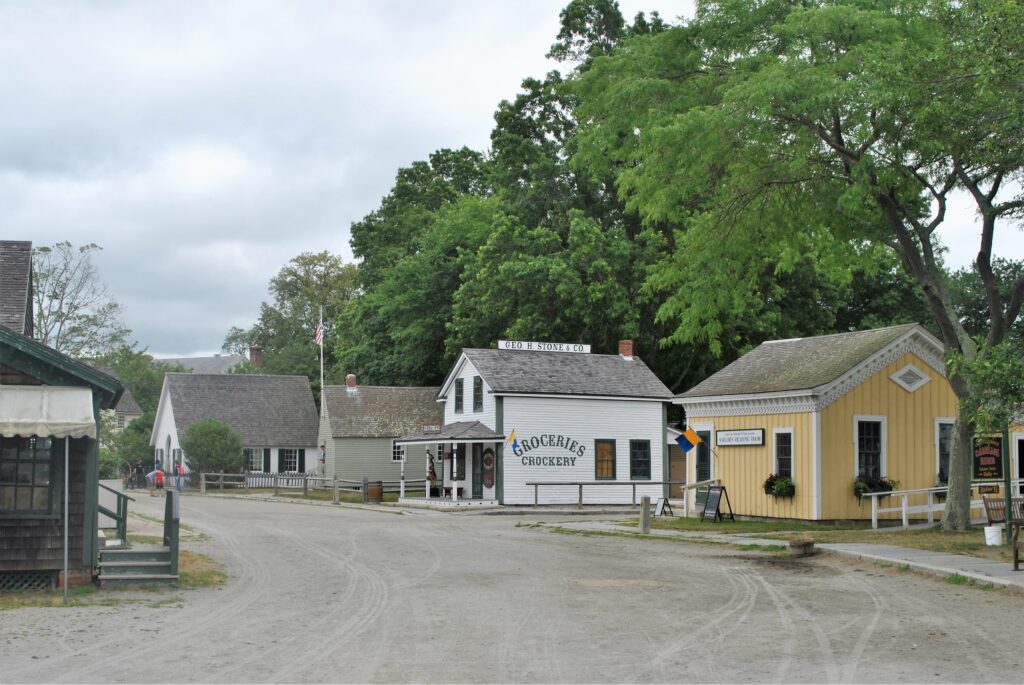
Upon arrival at the Mystic Seaport Museum, visitors are greeted by an expansive, thoughtfully laid-out waterfront campus that immediately conveys a sense of maritime ambiance. The entrance area provides clear directional signage and a welcome center, setting a hospitable tone. The imposing presence of historic vessels anchored in the harbor dominates the view, with the majestic Charles W. Morgan, the last wooden whaleship in the world, standing out as a focal point. Beyond the dock, traditional New England maritime architecture lines the grounds, including shipyard buildings, a working boat shop, and recreated seafaring village structures. The combination of open waters, wooden piers, and period-appropriate buildings immerses visitors even before stepping into the museum’s formal exhibits. This visually rich environment encourages exploration and primes visitors for the layers of history that await within.
Highlights and Key Exhibitions
The Mystic Seaport Museum’s offerings are both diverse and meticulously curated, providing multiple entry points for those interested in maritime history. A perennial highlight is the Charles W. Morgan, a fully restored 1841 whaleship, which serves as a tangible link to the era of American whaling. Visitors can board the vessel to explore its decks, cabins, and hold spaces, gaining insight into ship design and the harsh realities faced by crews on long voyages.
Alongside the Morgan, the museum’s collection of historic ships includes various smaller craft, ranging from sloops to sailboats, offering a broader view of maritime technology and regional shipbuilding traditions. These vessels are often moored adjacent to the Watercraft Center, where boat-building demonstrations provide an active, engaging dimension to the museum experience.
The Seaport’s galleries feature comprehensive displays that delve into the daily lives of sailors and the myriad industries tied to the sea. Artifacts such as navigational instruments, ship models, and maritime art convey cultural and technological developments. Exhibits on trade, fishing, and shipbuilding contextualize the seafaring economy and its impact on American life. The re-created seafaring village with its period-authentic shops and businesses furthers this immersive educational approach.
Notably, the museum also dedicates space to the environmental history of the region, underscoring the relationship between maritime industries and ecological change. This broad perspective emphasizes the museum’s commitment to presenting maritime history as a dynamic and multifaceted story.
Visitor Experience
The Mystic Seaport Museum excels in its ability to engage a wide range of visitors through a blend of interactive, educational, and contemplative experiences. The outdoor setting offers natural ventilation and a scenic backdrop, reinforcing the maritime theme. Interpretive signage throughout the grounds is thoughtfully designed, providing detailed information without overwhelming casual visitors.
Docents and museum staff are typically knowledgeable and approachable, readily available to answer questions and enrich the narrative with stories that bring the exhibits to life. The museum also offers guided tours, which add value for visitors seeking deeper insight, though self-guided options remain effective thanks to well-crafted exhibit text and supplementary materials.
Educational programming caters to families and school groups, with hands-on activities that foster engagement for younger audiences. The integration of live demonstrations, such as rope making and boat building, bridges theory with practice and enhances the sensory experience.
One potential challenge for visitors is the size of the site, which may be physically demanding for some, especially in less favorable weather conditions. However, bench seating and sheltered areas are strategically placed for comfort. The museum’s layout encourages a non-linear exploration, allowing visitors to tailor their journey according to interests and stamina.
Tickets, Access, and Planning
Ticketing at the Mystic Seaport Museum is straightforward, with options for single-day admissions, family passes, and memberships available. Advance purchase is recommended during peak tourist seasons to ensure entry and reduce wait times. Admission prices are positioned mid-range relative to comparable historic sites, reflecting the comprehensive nature of the offerings and maintenance of the preserved vessels.
The museum provides ample parking facilities on-site, though public transportation options are limited, making a private vehicle the most practical means of access for most visitors. The museum is wheelchair accessible, with ramps and level pathways incorporated throughout much of the property, though some historic vessels naturally present mobility challenges due to their design.
Amenities include a well-stocked gift shop featuring maritime-themed merchandise and publications, as well as dining options that serve light meals and refreshments. The visitor center offers maps and information to assist with itinerary planning.
The museum’s website serves as a reliable resource for updated opening hours, special events, and educational offerings. Given the size and variety of the site, allocating at least half a day is advisable to fully appreciate the experience.
Final Verdict
The Mystic Seaport Museum stands out as a premier destination for those interested in maritime history and American coastal culture. Its expansive waterfront campus, historic vessel collection, and immersive exhibits combine to provide an authentic and educational experience that resonates across generations. The museum’s strength lies in its ability to balance detailed historical interpretation with hands-on engagement and visual appeal, creating a dynamic environment that caters to both enthusiasts and casual visitors.
While the physical scale of the site may present challenges for some, the well-considered visitor infrastructure and programming mitigate these issues effectively. The emphasis on environmental context and the broader social impact of maritime industries enrich the narrative, ensuring a well-rounded portrayal that moves beyond the mere preservation of artifacts.
In sum, the Mystic Seaport Museum offers a richly rewarding visit that deepens understanding and appreciation of America’s maritime heritage. It is a cultural landmark worthy of inclusion on any itinerary exploring New England’s historical and coastal attractions.