Museum of Pop Culture Review
Art Museums · Seattle, United States. The Museum of Pop Culture (MoPOP) in Seattle stands as a distinctive cultural institution devoted to the celebration and exploration of contemporary popular culture. Founded in 2000 by Microsoft co-founder Paul Allen, its original…
Art Museums · Seattle, United States. The Museum of Pop Culture (MoPOP) in Seattle stands as a distinctive cultural institution devoted to the celebration and exploration of contemporary popular culture. Founded in 2000 by Microsoft co-founder Paul Allen, its original…
Best forScience, technology, hands-on learning
Review focusExhibits, interpretation, visitor flow
Historical Context
The Museum of Pop Culture (MoPOP) in Seattle stands as a distinctive cultural institution devoted to the celebration and exploration of contemporary popular culture. Founded in 2000 by Microsoft co-founder Paul Allen, its original incarnation was the Experience Music Project (EMP), whose mission centered on the history and evolution of popular music, especially rock and roll. Since its inauguration, the institution has broadened its scope significantly, embracing multiple aspects of pop culture including science fiction, fantasy, video games, and film. This expansion reflects a keen understanding of the evolving dynamics of cultural production and consumption in the late 20th and early 21st centuries.
MoPOP’s architecture, designed by Frank Gehry, is an iconic iconoclastic presence on the Seattle waterfront, itself a testament to innovation and creative expression. The museum has cultivated a reputation for dynamic and interactive exhibitions, making it a locus for enthusiasts of cultural innovation and storytelling. Positioned within a city renowned for its vibrant music scene and technological innovation, MoPOP holds a unique position bridging creative arts and entertainment, embodying the spirit of popular culture in a holistic and evolving manner.
What You See on Arrival
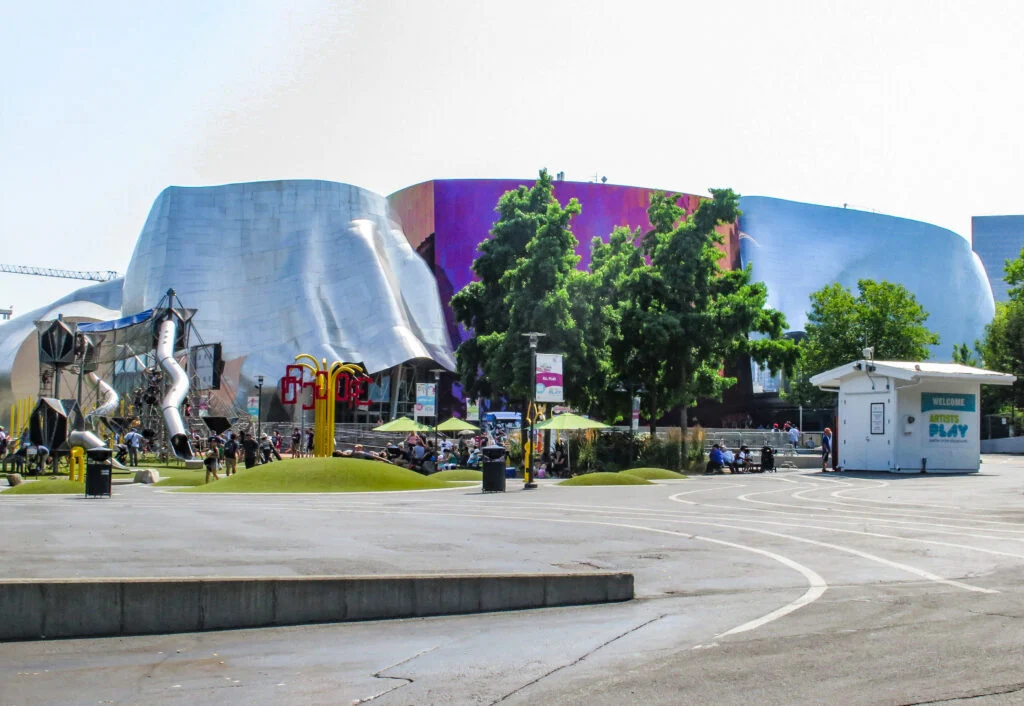
Upon arrival, visitors are immediately struck by the building’s dramatic and unconventional architecture. The structure’s fluid, sculptural form, composed of undulating metal panels in a riot of colors, commands attention against the backdrop of Seattle’s urban and waterfront landscapes. Its bold aesthetic makes a definitive statement about the museum’s commitment to creativity and boundary-pushing art forms.
Guests enter a lobby space that is open and inviting, designed to facilitate a smooth transition from the outside world into an immersive environment celebrating pop culture. The use of lighting, color, and space is thoughtfully curated to evoke a sense of excitement and anticipation. Visitors will typically find prominent signage that directs them toward various galleries and amenities, setting a tone of accessibility while hinting at the diversity of content housed within. The immediate sense is one of energy and modernity, in keeping with the museum’s mission to celebrate dynamic cultural shifts.
Highlights and Key Exhibitions
The core appeal of the Museum of Pop Culture lies in its eclectic and wide-ranging collections, with a particular strength in music and science fiction. Among the highlights is the extensive array of artifacts related to the history of rock and roll, including instruments, costumes, and personal items belonging to iconic musicians. These exhibits provide a tactile connection to the legacy of popular music, contextualizing its development and cultural significance.
Another notable feature is the emphasis on science fiction and fantasy media, reflecting the genre’s profound impact on popular imagination. Collections include memorabilia from landmark movies and television shows, giving fans and scholars alike an opportunity to explore the creative processes and cultural themes these works address. Interactive exhibits often enable visitors to engage with elements of storytelling and technological innovation.
Video game culture is also prominently represented, with an array of vintage and contemporary gaming consoles, rare titles, and exhibits detailing the art and technology of game creation. This inclusiveness underscores MoPOP’s understanding of pop culture as a multifaceted phenomenon that spans beyond traditional artistic disciplines.
The museum also offers temporary rotating exhibitions that periodically refresh the visitor experience. While specifics may vary, these exhibitions often delve into niche areas of pop culture, such as celebrity culture, comic book artistry, or emerging trends in digital media.
Visitor Experience
The Museum of Pop Culture seeks to create an immersive, hands-on environment encouraging active participation and exploration. Interactive displays and multimedia installations are integrated throughout the galleries, providing visitors with opportunities to engage directly with the exhibits rather than passively observe. This approach caters to diverse ages and interests, enhancing educational impact and enjoyment.
The museum staff are known for their expertise and enthusiasm, available to offer additional context or answer questions, which enhances the interpretive quality of the visit. Audio guides and digital resources complement physical displays by providing deeper narrative layers for those inclined to explore content in more detail.
Amenities such as a gift shop and café offer convenient locations to relax and purchase memorabilia, further extending the museum experience. The layout is generally navigable and family-friendly, though visitors should allow ample time to fully absorb the depth and breadth of the collections.
Tickets, Access, and Planning
Admission to the Museum of Pop Culture is reasonably priced, with various options available including general admission, family passes, and discount rates for seniors, students, and military personnel. It is advisable to check the official website before visiting, as ticket prices and policies may be subject to change. Online ticket purchases are recommended to avoid potential queues and ensure entry during busy periods.
The museum is located in downtown Seattle, easily accessible by public transportation, including buses and light rail, as well as by private vehicle with parking options nearby. The facility is designed to accommodate visitors with disabilities, featuring wheelchair access, elevators, and accessible restrooms to ensure an inclusive experience for all.
Planning a visit should also take into account the unpredictable Pacific Northwest weather, encouraging visitors to allocate indoor time to MoPOP as a cultural refuge, especially during periods of rain.
Final Verdict
The Museum of Pop Culture is a standout institution that adeptly captures the diverse and constantly evolving essence of popular culture. Its architectural boldness matches the ambition of its curatorial program, making it both a visual landmark and a rich repository of cultural artifacts. By encompassing music, science fiction, video games, and related media, the museum provides a comprehensive overview of the forces shaping modern entertainment and cultural identity.
While some may find the broad thematic scope somewhat overwhelming or eclectic, this is also a strength, allowing for a wide range of visitor interests to be addressed. The interactive and educational elements significantly enhance engagement, ensuring that the experience is as intellectually stimulating as it is enjoyable.
In summary, the Museum of Pop Culture is an essential destination for anyone interested in the impact of popular media and creativity on society. Its commitment to celebrating cultural innovation within a dynamic setting makes it a must-visit for both locals and tourists seeking to understand the pulse of contemporary culture in one of America’s most vibrant cities.