Museum of History and Industry Review
History Museums · Seattle, United States. The Museum of History and Industry (MOHAI) in Seattle stands as a testament to the dynamic interplay between technology, culture, and the evolving identity of the Pacific Northwest. Founded initially in 1952 and relocated…
History Museums · Seattle, United States. The Museum of History and Industry (MOHAI) in Seattle stands as a testament to the dynamic interplay between technology, culture, and the evolving identity of the Pacific Northwest. Founded initially in 1952 and relocated…
Best forMaritime history, ships, harbour heritage
Review focusCollection, setting, visitor experience
Historical Context
The Museum of History and Industry (MOHAI) in Seattle stands as a testament to the dynamic interplay between technology, culture, and the evolving identity of the Pacific Northwest. Founded initially in 1952 and relocated to its current facility in the South Lake Union neighborhood in 2012, MOHAI has been central in chronicling the region’s growth from its early indigenous communities through the age of exploration, industrialization, and up to its contemporary role as a hub for innovation and industry. Emphasizing Seattle’s distinctive economic and social development, the museum situates its narratives within both local and global contexts. This approach allows visitors to appreciate how Seattle’s history—including its maritime roots, aerospace triumphs, and tech industry revolutions—intertwines with broader American and world history. MOHAI’s evolution mirrors the city’s own transformation, shifting from a repository of artifacts to a dynamic institution committed to immersive storytelling and educational outreach.
What You See on Arrival
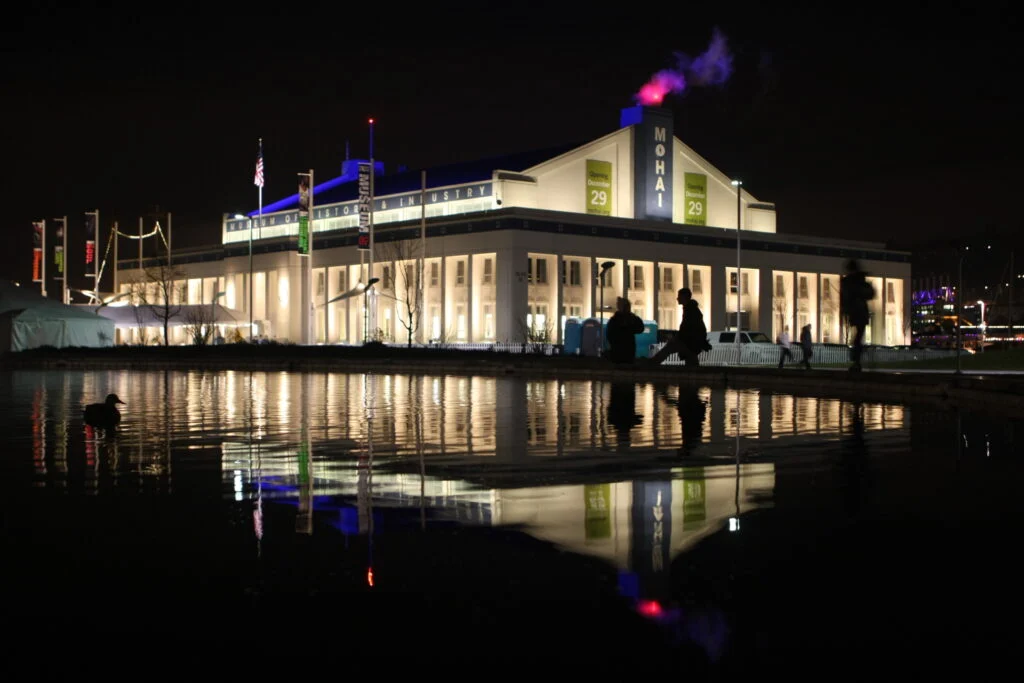
Upon approaching MOHAI, visitors are welcomed by the museum’s imposing, yet modern architectural design, thoughtfully integrated into the historic building that once housed Seattle’s Naval Reserve Armory. The building itself reflects a fusion of contemporary revitalization and heritage preservation, with large windows offering glimpses into the public spaces inside. The entrance is inviting, flanked by well-maintained landscaping that enhances the lakeside atmosphere. Right away, the location signals Seattle’s intimate relationship with water—Seattle’s Lake Union shoreline is visible and omnipresent, setting the tone for understanding the city’s maritime importance. Inside the lobby, there is a palpable sense of openness and light, achieved through the building’s layout and interior finishes. Signage is clear and informative, guiding visitors effortlessly to ticket counters, orientation areas, and amenities such as the museum café and gift shop. This initial encounter promises a well-thought-out visitor experience, blending historical gravitas with contemporary accessibility.
Highlights and Key Exhibitions
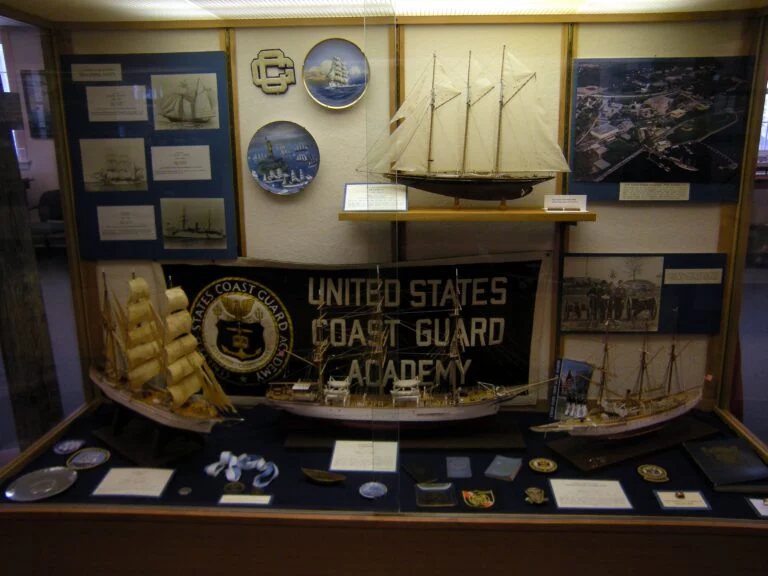
MOHAI’s exhibition spaces provide a carefully curated overview of Seattle’s diverse history, emphasizing industry and innovation. Among the most notable permanent exhibitions is the narrative on Seattle’s maritime legacy. Here, visitors encounter detailed models, historic photographs, and authentic artifacts that explore the city’s shipbuilding heritage, its role in naval operations, and the commercial shipping that fueled regional growth. This section elegantly combines immersive multimedia elements and traditional displays to engage a wide demographic.
Another standout exhibition delves into the aerospace sector, most prominently represented by the story of Boeing. Artifacts including early aircraft components and documents trace the company’s trajectory and its profound impact on local and national economies. The exhibition situates aerospace achievements within the broader context of mid-century innovation and Cold War dynamics, enriching the storytelling with a broader political and technological perspective.
MOHAI also addresses Seattle’s cultural history through thematic displays that illuminate the experiences of diverse communities, including indigenous peoples, immigrants, and labor movements that shaped the city’s social fabric. These exhibitions often integrate oral histories and graphic panels, offering nuanced perspectives beyond standard historical recounting.
The museum’s approach to industrial history is not merely retrospective; contemporary industry and technology trends are interwoven, creating a dialogue between past and present. Permanent displays celebrate the evolution of Seattle’s digital economy, referencing tech pioneers and the city’s rise as a modern innovation hub.
Visitor Experience
MOHAI excels in providing an engaging and accessible visitor experience characterized by well-designed galleries and thoughtful interpretive materials. Exhibition texts are concise yet informative, avoiding jargon while maintaining scholarly rigor. The layout of the museum promotes a logical flow, encouraging visitors to explore the interconnections between exhibitions without feeling overwhelmed. For families and younger audiences, interactive elements such as touchscreens and hands-on displays foster active participation, making the historical content more approachable.
The museum’s staff are reputed to be knowledgeable and welcoming, enhancing the educational atmosphere. Guided tours are available and often enrich the experience by adding depth and anecdotal context to the exhibitions. Audio guides and mobile app options supplement the visit by providing layered content for those who wish to delve deeper into specific topics.
MOHAI’s public programming includes lectures, film screenings, and community events, which contribute to its role as a cultural hub. Though such events are outside the immediate scope of the permanent exhibitions, they demonstrate the institution’s commitment to fostering ongoing engagement with historical and contemporary issues.
Tickets, Access, and Planning
Planning a visit to MOHAI requires a few practical considerations. The museum offers a range of ticket options, including general admission, discounted rates for seniors, students, and youth, as well as memberships that afford benefits such as free entry and priority access to special programs. On occasion, the museum participates in community offers or free admission days, which are worth checking on the official website before planning a visit.
Accessibility is a priority at MOHAI, with the building designed to accommodate visitors with mobility challenges. Elevators, ramps, and accessible restrooms are standard, and assistive listening devices can often be requested. The museum provides materials in multiple languages and braille versions of select texts, aiming for inclusivity. Parking nearby is limited but supplemented by public transit options, including bus routes and proximity to light rail stations.
Given MOHAI’s location in the bustling South Lake Union neighborhood, visitors may also wish to allow extra time to enjoy nearby dining and recreational opportunities, enhancing the overall outing. The museum’s website offers detailed visitor information, including hours, directions, event calendars, and educational resources.
Final Verdict
MOHAI stands out as a vital institution for those interested in understanding not only Seattle’s unique history but also the multifaceted nature of industry and innovation in shaping modern urban life. Its thoughtful and comprehensive exhibitions provide a rich narrative that balances technological achievements with social and cultural perspectives. The museum’s strengths lie in its ability to integrate diverse historical threads into a cohesive and engaging story, supported by an inviting space and a commitment to accessibility and educational outreach.
While MOHAI avoids the pitfalls of overwhelming visitors with dense content, some might find that additional temporary exhibitions or more frequent refreshes could inject further dynamism into repeat visits. Nevertheless, this museum remains a key cultural asset for locals and visitors alike, offering profound insights into Seattle’s past and present. Its location, design, and programming all contribute to a rewarding museum experience that bridges history and contemporary life with clarity and relevance. For anyone with an interest in industry, community narratives, or the evolution of a city known for constant innovation, MOHAI is an invaluable destination.