Museum of Occupations and Freedom Fights Review
History Museums · Vilnius, Lithuania. The Museum of Occupations and Freedom Fights in Vilnius, Lithuania, stands as a somber and poignant tribute to the country’s turbulent 20th-century history, particularly its experience under Soviet and Nazi occupations. Established to preser…
History Museums · Vilnius, Lithuania. The Museum of Occupations and Freedom Fights in Vilnius, Lithuania, stands as a somber and poignant tribute to the country’s turbulent 20th-century history, particularly its experience under Soviet and Nazi occupations. Established to preser…
Best forScience, technology, hands-on learning
Review focusExhibits, interpretation, visitor flow
Historical Context
The Museum of Occupations and Freedom Fights in Vilnius, Lithuania, stands as a somber and poignant tribute to the country’s turbulent 20th-century history, particularly its experience under Soviet and Nazi occupations. Established to preserve the memory of the struggles endured by the Lithuanian people, the museum focuses on the resistance efforts against totalitarian regimes, including the Soviet secret police’s repressive tactics and the broader themes of oppression, resilience, and the fight for national freedom. Housed in what was once the KGB headquarters, the institution occupies a space heavy with historical significance, where many detainees were interrogated or imprisoned. It functions not only as a memorial but also as a center of education, aiming to shed light on the grave human rights abuses and the courageous acts that characterized Lithuania’s mid-20th-century history. Its dedication to truthful narration and documentary evidence makes it an essential visit for those seeking to understand Lithuania’s journey toward independence and the broader impacts of Soviet totalitarianism in Eastern Europe.
What You See on Arrival
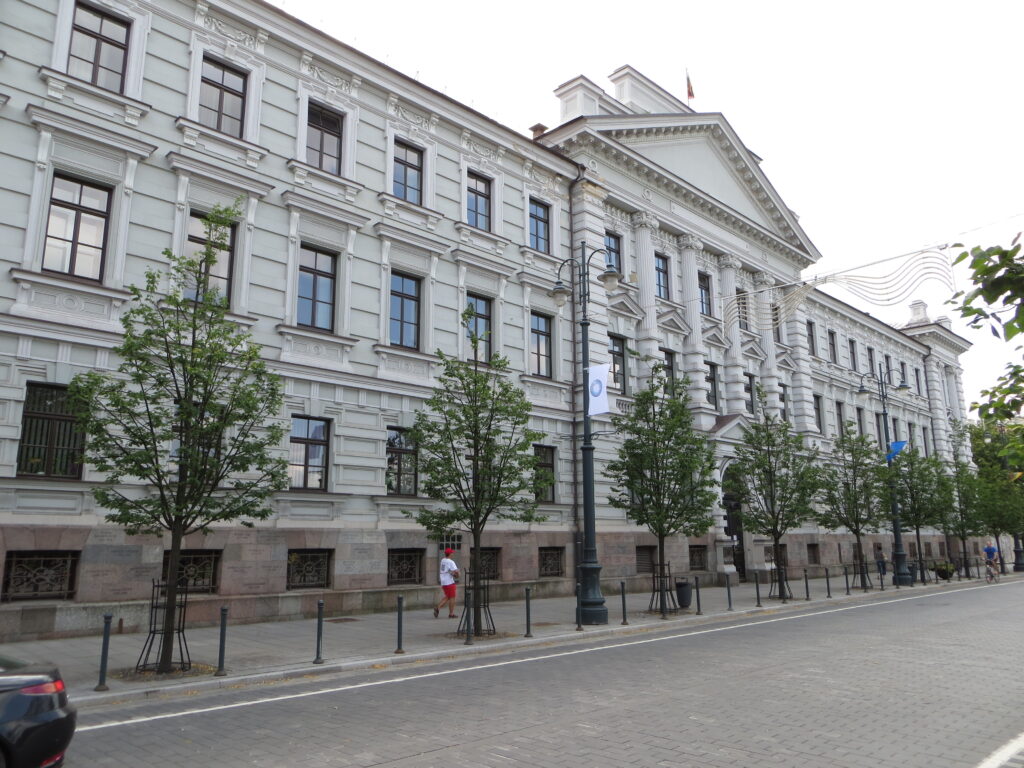
The museum’s exterior is stark and imposing, reflecting the gravity of the history contained within. Situated in the former KGB building in central Vilnius, the architecture itself is a testimony to the institutional power once wielded from this site. Upon approaching, visitors are met with a modest entrance, often flanked by informational panels offering introductory context to the museum’s purpose. The atmosphere is sober and reflective, setting the tone for the serious subject matter explored inside. The immediate visual impression is one of authenticity; original prison cells, interrogation rooms, and offices are preserved with a remarkable degree of detail. The building’s utilitarian, brutalist design, paired with the use of subdued colors and sparse lighting, evokes a chilling sense of confinement and surveillance. Outside, one may also notice monuments or symbolic art installations dedicated to the victims of occupation and to those who fought for freedom.
Highlights and Key Exhibitions
The museum’s core strength lies in its extensive archival material and thoughtfully curated exhibits that chronicle Lithuania’s occupations from 1940 until the restoration of independence in 1991. A key section of the museum focuses on the mechanisms of the Soviet security apparatus, including detailed presentations on the activities of the KGB within Lithuania. The preserved prison cells offer an immersive insight into the harsh conditions detainees endured, with authentic furnishings, personal belongings, and chilling dossiers displayed to contextualize their stories. The interrogation rooms remain largely intact, providing a stark window into the methods of control and intimidation used by the regime.
Additional highlights include documentary films, photographs, and testimonies that recount the broader resistance movements, including partisan warfare and underground cultural dissidence. One of the exhibits particularly noteworthy is dedicated to the “Forest Brothers,” the guerrilla fighters who mounted an armed resistance to Soviet rule. The museum also incorporates interactive displays that help visitors grasp the scale of repression and the courage required to oppose it.
While the permanent exhibition is the museum’s centerpiece, it thoughtfully balances grim historical realities with the triumphant narrative of resilience, highlighting how freedom was ultimately reclaimed. Artefacts related to political trials and forced deportations to Siberian labor camps deliver a poignant reminder of the human cost behind political oppression.
Visitor Experience
Visitors to the Museum of Occupations and Freedom Fights can expect a deeply moving, often intense experience. The museum’s layout is linear and deliberate, guiding guests through a chronological journey that enables a comprehensive understanding of events and their interconnections. The exhibition design respects the need for reflection, with quiet spaces and well-designed narrative pacing to allow visitors to absorb complex and disturbing content.
Audio guides, available in multiple languages, enhance understanding by providing detailed explanations, personal stories, and historical context beyond what is available on information panels alone. Knowledgeable and respectful staff are generally on hand to assist, contributing to an educational yet respectful environment.
The museum’s tone is deliberately restrained and factual, avoiding sensationalism while still conveying the emotional weight of the historical material. Photographic and documentary evidence is presented with clarity and sensitivity, enabling visitors to engage intellectually and empathetically. The attention to detail in reconstructing spaces such as cells and interrogation rooms creates a palpable atmosphere without resorting to dramatization.
That said, the subject matter is inherently somber and may prove emotionally challenging for some. The museum is best suited to visitors with a strong interest in history, political science, or human rights, or those with a willingness to confront difficult legacies.
Tickets, Access, and Planning
Admission to the Museum of Occupations and Freedom Fights is typically modest, reflecting its educational mission. Tickets can often be purchased on site, though potential visitors are encouraged to verify current operating hours and ticketing policies on the museum’s official website prior to arrival, as these can vary seasonally or due to special circumstances.
The museum is centrally located in Vilnius, making it readily accessible via public transportation or by foot from the city’s historic Old Town. There is limited parking nearby, so public transit or taxis are recommended for those arriving by car. Accessibility provisions for visitors with mobility challenges are in place, including ramps and accessible restrooms; however, the original constraints of the historic building mean some areas might be less accessible than modern museums.
Group visits, including educational tours, are available and can be arranged in advance. These guided tours provide valuable insights and are particularly recommended for international visitors or those unfamiliar with Lithuania’s complex history.
Final Verdict
The Museum of Occupations and Freedom Fights offers a vital, unflinching exploration of a dark chapter in Lithuanian and European history. Its strength lies in its commitment to truthfulness and its respectful preservation of memory, making it a significant institution both nationally and internationally. Visitors seeking to comprehend the impact of Soviet and Nazi occupations on Lithuania, and the extraordinary perseverance of its people, will find this museum an essential experience.
While the atmosphere is undoubtedly somber and the content serious, this is a purposeful aspect that underscores the gravity of the subject matter. The museum successfully balances detailed archival presentations with personal stories, creating an educational environment that fosters understanding rather than despair. For those interested in twentieth-century history, human rights, and political resistance, the Museum of Occupations and Freedom Fights provides a compelling and thoughtfully curated journey.
In conclusion, this museum is strongly recommended for individuals willing to engage deeply with history’s darker moments and who appreciate museums that challenge and educate with authenticity. It is less suited for casual tourists seeking light entertainment but invaluable for students, scholars, and anyone interested in the resilience of the human spirit under oppression. Its location in Vilnius enriches the visitor experience through proximity to other cultural and historical sites, making it an integral part of exploring Lithuania’s capital.