Museum of Islamic Art Cairo Review
Art Museums · Cairo, Egypt. The Museum of Islamic Art Cairo stands as a monumental repository preserving the rich and diverse heritage of Islamic art across centuries and civilizations. Founded in 1903, the museum opened its doors in 1903…
Art Museums · Cairo, Egypt. The Museum of Islamic Art Cairo stands as a monumental repository preserving the rich and diverse heritage of Islamic art across centuries and civilizations. Founded in 1903, the museum opened its doors in 1903…
Best forMasterpieces, architecture, cultural history
Review focusCollection highlights, building, visitor flow
Historical Context
The Museum of Islamic Art Cairo stands as a monumental repository preserving the rich and diverse heritage of Islamic art across centuries and civilizations. Founded in 1903, the museum opened its doors in 1903 after a passionate Egyptian prince, who was also an avid collector of Islamic artifacts, amassed a significant collection that would serve as the foundation for this institution. This museum has since evolved to house one of the world's most comprehensive collections of Islamic art, spanning a broad geographical area that includes the Middle East, North Africa, Spain, and Central Asia. The collection covers more than a millennium of artistic achievements, from intricate ceramics and textiles to metalwork, manuscripts, and woodcraft. The goal has always been to offer insight not only into the aesthetic achievements of the Islamic world but also into the cultural and historical contexts underpinning these creations. As such, the museum plays a crucial role in both preserving and presenting Islamic artistic heritage within Cairo’s bustling cultural landscape.
What You See on Arrival
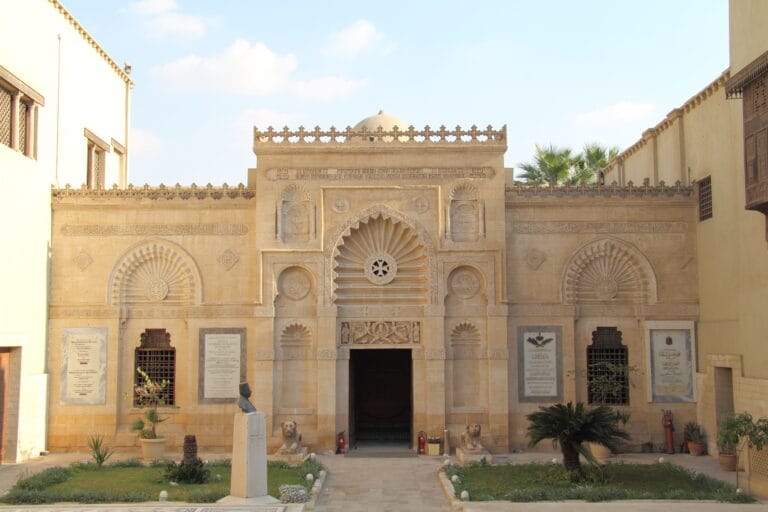
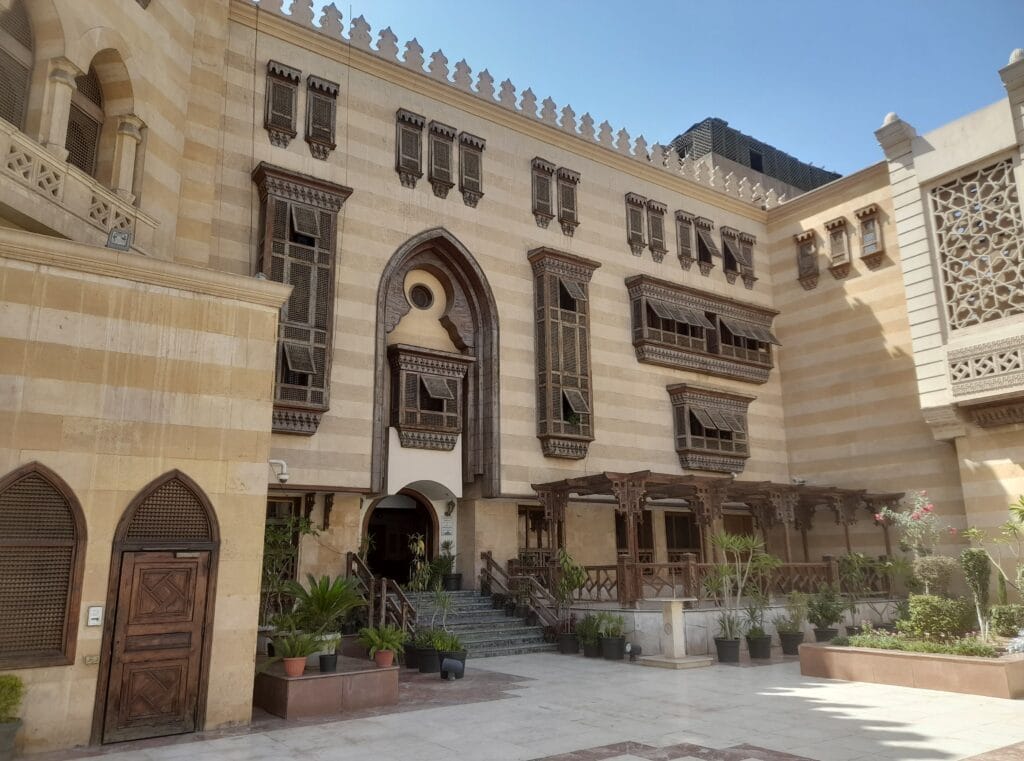
Approaching the Museum of Islamic Art Cairo, visitors are greeted by an imposing edifice that reflects both the grandeur and elegance associated with Islamic architectural traditions. The building itself, with its distinctive blend of traditional Islamic motifs and early 20th-century architectural elements, establishes an immediate sense of anticipation. The museum is situated in a central area of Cairo, easily accessible and imposing in scale, with well-maintained gardens providing a calm contrast to the city’s vibrant streets. Upon entering, the visitor encounters a spacious, thoughtfully arranged lobby that sets a tone of scholarly respect and artistic reverence. Natural light filters into the spaces, emphasizing the intricate details of the architectural flourishes including arches and ornamental tiles. The initial impression combines openness with a sense of discovery, preparing visitors to embark on a journey across Islamic art’s many epochs and regions.
Highlights and Key Exhibitions
The Museum of Islamic Art Cairo houses an extraordinary array of masterpieces that are carefully categorized and displayed throughout its galleries. One of the museum’s most praised features is its extensive collection of ceramics, showcasing glazes and techniques from the early Islamic period to the later Ottoman and Safavid dynasties. The diversity and evolution represented in these pieces provide valuable insights into technological advances as well as cultural exchange. Equally captivating are the ornate textiles and carpets, which reveal the artistry involved in fabric dyeing and weaving traditions. Among the coin and metalwork collections, one can find examples of intricate engraved patterns and inscriptions that highlight both artistic skill and religious significance.
Another remarkable component of the museum’s holdings is its manuscript collection. These manuscripts, some of which include finely illuminated Qur’ans, demonstrate the central role of calligraphy and book arts within Islamic culture. Each manuscript is not only a religious or literary artifact but also a canvas for detailed artistic expression. Wood and ivory carvings, including intricately designed doors and decorative objects, offer additional layers of engagement, illustrating the intersection of function and beauty.
While permanent exhibitions form the backbone of the museum’s offerings, carefully curated displays emphasize the evolving currents of Islamic art through different regions and historical contexts. The Museum of Islamic Art Cairo performs a discerning balance between presenting iconic, well-known pieces and introducing visitors to lesser-known artifacts that enrich understanding of the broad Islamic artistic heritage.
Visitor Experience
The visitor experience in this museum is marked by a calm and meticulous organization that invites both casual visitors and serious art enthusiasts to delve into Islamic art with some depth. The galleries are arranged in a logical progression according to chronological and thematic parameters, making it easier to follow the development of artistic styles and techniques across centuries. Signage is predominantly clear and bilingual, although some may find certain labels could be expanded for deeper contextual explanation, especially for visitors less familiar with Islamic art history. Audio guides or digital resources, when available, provide additional layers of interpretation that help weave connections between different artifacts.
While the museum’s collection is extraordinarily rich, the experience benefits from thoughtful curation that avoids overwhelming visitors with sheer volume. Each gallery space is well-lit and arranged to allow close examination without clutter. However, the infrastructure and some displays show signs of aging and could be enhanced with modern presentation technologies to further engage contemporary audiences.
The atmosphere maintains a quiet dignity, encouraging respectful exploration. Museum staff are generally reported to be helpful and knowledgeable, contributing positively to the overall experience. Security measures are appropriately discreet but thorough, ensuring both the safety of the collection and a pleasant visit for all.
Tickets, Access, and Planning
Planning a visit to the Museum of Islamic Art Cairo requires some practical considerations, particularly regarding location, opening hours, and admission policies. Located near central Cairo, the museum is relatively easy to access via public transportation and taxi services, though navigating the busy city streets can be challenging without prior preparation. Ample signage outside helps, but first-time visitors may benefit from planning routes ahead of time.
Entrance fees are moderate and reflect the cultural significance of the museum, often with discounted rates for students, children, and local residents. Ticket purchases can typically be made on-site, but online or pre-purchased options, where available, will streamline access and reduce waiting times. The museum usually has regular opening hours but checking in advance is advisable to confirm days of operation and any potential holiday closures.
Facilities include a modest gift shop and spaces for rest, but certain amenities such as cafes or extensive dining options are limited onsite; visitors might plan meals before or after their visit, especially since the surrounding area can offer a rich variety of local culinary experiences. Accessibility for those with mobility impairments remains an area where the museum could expand its provisions, as some sections may present challenges due to the building’s historic structure.
Final Verdict
The Museum of Islamic Art Cairo unquestionably holds a position of importance within the global cultural landscape, offering a detailed and nuanced portrait of the Islamic world’s artistic achievements across a variety of media and historical periods. Its comprehensive collection is both a testament to the artistic ingenuity of past civilizations and a vital educational resource for contemporary audiences. The museum’s architecture and setting enhance the overall sense of place and connection to Islamic history.
While certain aspects such as interpretative material and visitor amenities could benefit from modernization, these do not significantly detract from the museum’s core strengths: the breadth and quality of its collections and a quietly dignified ambiance that invites thoughtful engagement. For anyone seeking to deepen their understanding of Islamic art, whether as a student, scholar, or culturally curious visitor, the museum offers a valuable experience full of discovery and reflection. It remains a key destination within Cairo’s rich tapestry of cultural institutions and should be appreciated as such by anyone interested in the artistic and historical narratives of the Islamic world.