Museum Ludwig Review
Intro Museum Ludwig in Cologne, Germany, is one of the strongest art museums in Europe for the period from modernism to the present because it combines.
Intro Museum Ludwig in Cologne, Germany, is one of the strongest art museums in Europe for the period from modernism to the present because it combines.
Best forMasterpieces, architecture, cultural history
Review focusCollection highlights, building, visitor flow
Intro
Museum Ludwig in Cologne, Germany, is one of the strongest art museums in Europe for the period from modernism to the present because it combines international collection strength with a remarkably clear institutional profile. Large museums of modern and contemporary art often risk either becoming too sprawling or too dependent on temporary exhibitions for their identity. Museum Ludwig avoids both problems more successfully than many of its peers. Its collection is broad, but it still feels like a museum with a recognizable center.
That center is built from a combination of major Pop Art holdings, a substantial Picasso collection, strong postwar work, and a sustained commitment to photography and twentieth-century visual culture more broadly. The result is a museum that can support repeat visits and still remain coherent to first-time visitors.
How the Site Works
Museum Ludwig works by balancing canonical modern art with later movements and contemporary practice. This is a more difficult balance than it might appear. Museums covering so much historical ground can easily feel like a sequence of disconnected departments. Here, however, the holdings and layout usually allow visitors to understand the evolution of modern and postwar art as a field of overlapping developments rather than isolated episodes.
The museum also benefits from institutional confidence. It does not need to rely entirely on spectacle or architectural novelty to assert its importance. The collection itself carries much of the museum’s authority, and the galleries support that by giving major works enough space and context to register properly.
Because of this, Museum Ludwig works well for different kinds of visitors. It can function as a serious destination for art specialists while still remaining legible to those who arrive with more general cultural interest. That breadth of usability is one of its strongest practical qualities.
Exhibitions and Collection
The collection is the museum’s defining asset. Museum Ludwig is particularly celebrated for Pop Art and possesses one of the most important collections of that movement outside the United States. This gives the institution unusual international status. Yet the museum would still matter without Pop Art alone. Its Picasso holdings, photographic collection, postwar European art, Russian avant-garde works, and broader twentieth-century strengths make it one of Germany’s major museums in this field.
What is especially effective is the way these holdings create a wide but still navigable history of modern and contemporary art. Visitors can move from earlier modernism into later experimental, political, and postwar work without the whole experience dissolving into institutional overbreadth.
The museum also benefits from the visibility of certain canonical names. Picasso and Pop Art provide natural points of entry for general visitors, but the institution’s real strength lies in what surrounds these obvious attractions. The museum’s deeper holdings and connections between movements sustain the visit intellectually.
Temporary exhibitions are important as well, but Museum Ludwig does not depend on them to define itself. This gives the institution stability. A visitor coming for the collection alone can still have a major museum experience.
Architecture / Space
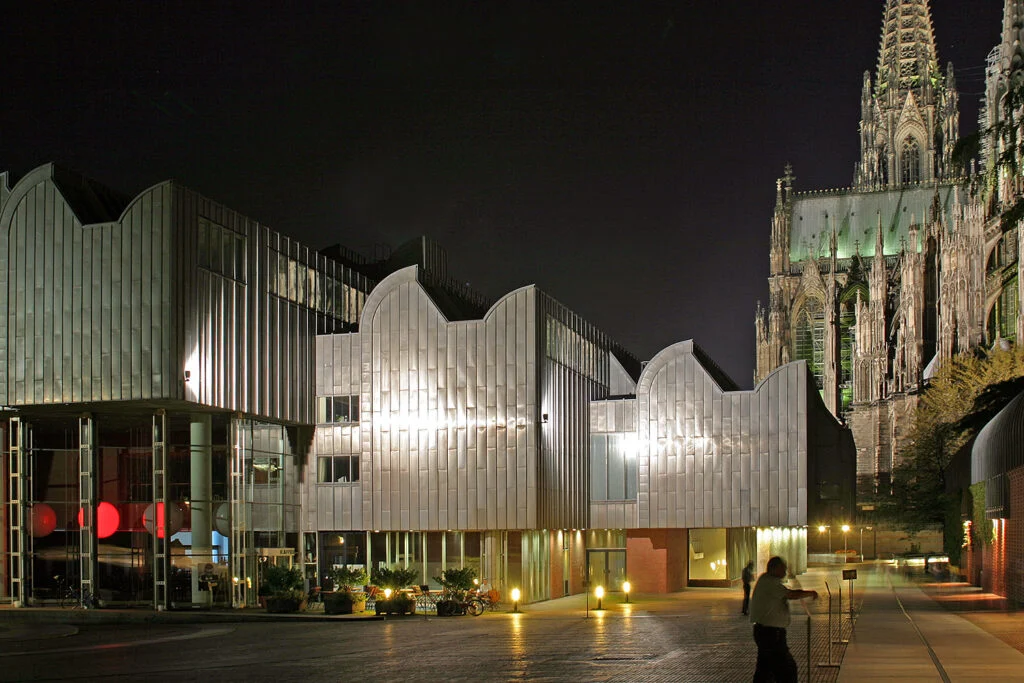
Museum Ludwig’s building serves the collection well because it emphasizes scale and clarity rather than eccentricity. The galleries are large enough to support ambitious display, and the museum benefits from a layout that can accommodate multiple collection strands without becoming completely disorienting.
Its location next to Cologne Cathedral is also significant. This places one of Germany’s major museums of modern and contemporary art directly beside one of Europe’s most famous Gothic landmarks. The contrast is striking and culturally productive. It reinforces Cologne’s identity as a city where deep historical time and modern art coexist in unusually close proximity.
Inside, the spaces are best when they allow major works and movements room to breathe. Museum Ludwig’s scale can sometimes feel demanding, but it generally remains a strength because the collection merits serious spatial treatment.
Visitor Experience
The visitor experience is rich, substantial, and usually rewarding. This is not a small or quick museum. It asks for time, and visitors who give it time are likely to leave with a strong sense of having encountered a major collection rather than a partial survey. Because the holdings are so well known in some areas, there is also a welcome mix of recognition and discovery.
General visitors are helped by the museum’s clear strengths. Even those without specialist training can respond immediately to major works and major movements. More experienced viewers will appreciate the quality of the holdings and the way the museum situates twentieth-century art within a larger international field.
The museum works particularly well as a central art destination in Cologne. It can anchor an entire cultural day and remains one of the city’s strongest reasons for extended museum-going.
Historical Context
Museum Ludwig belongs to an important chapter in postwar European museum history, when collectors, cities, and public institutions increasingly elevated modern and contemporary art into central civic collections. The Ludwig family’s role in this process was especially influential, helping to shape not only the Cologne museum but a wider understanding of modern and contemporary collecting in Europe.
This gives the museum more than local significance. It stands as part of the institutionalization of movements that were once controversial, recent, or market-driven. In that sense, Museum Ludwig is also a museum about how modern art became public heritage.
Practical Information
The museum is currently open Tuesday to Thursday from 10:00 to 18:00, Friday to Sunday from 10:00 to 20:00, with the first Thursday of the month open until 22:00, and closed Monday. Regular tickets are currently listed at 19.80 euros, reduced tickets at 13.50 euros, and free admission for visitors up to 18 years old.
Because the museum is collection-rich and often hosts significant temporary exhibitions, it is worth allowing several hours. A rushed visit will inevitably flatten the experience. Museum Ludwig works best when treated as a major destination rather than a quick stop near the cathedral.
Final Verdict
Museum Ludwig is one of the most important museums of modern and contemporary art in Germany because it combines major collection depth with unusually clear institutional identity. Its strengths in Pop Art, Picasso, photography, and postwar art make it a museum of real international significance.
For visitors to Cologne, it is essential. For anyone interested in how modern art museums can be broad without becoming shapeless, it remains an impressive and often highly rewarding institution.
Plan your visit
Plan Museum Ludwig as a central art visit in Cologne and give it enough time to unfold properly. It pairs naturally with the cathedral area geographically, but culturally it deserves its own sustained attention. Visitors interested in twentieth-century art, postwar European collecting, or photography should place it high on their itinerary and avoid reducing it to a brief stop between other attractions.