Museo Palatino Review
The Museo Palatino, located on the Palatine Hill in Rome, Italy, offers visitors a profound journey into the ancient history of one of.
The Museo Palatino, located on the Palatine Hill in Rome, Italy, offers visitors a profound journey into the ancient history of one of.
Best forAncient history, archaeology, cultural heritage
Review focusArchaeological collections, context, and visitor planning
Historical Context
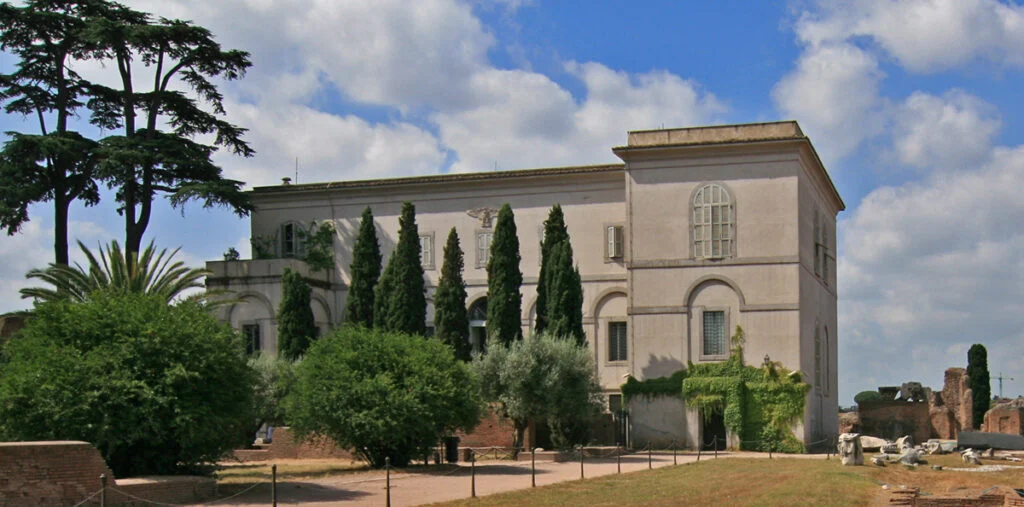
The Museo Palatino, located on the Palatine Hill in Rome, Italy, offers visitors a profound journey into the ancient history of one of the world’s most influential cities. Palatine Hill itself is often regarded as the birthplace of Rome, steeped in myth and history, forming the core of the original Roman settlements that evolved into the sprawling empire. This museum, standing amidst the ruins and remnants of imperial palaces, provides a crucial narrative that complements the physical landscape of the site. The museum’s collections primarily focus on artifacts recovered from the Palatine excavations, offering insights into the lives of emperors, aristocrats, and artisans who once inhabited this prestigious area. By contextualizing the archaeological findings alongside historical records, the Museo Palatino bridges the gap between myth and reality, augmenting our understanding of Rome’s foundational stories and its imperial grandeur. As such, it acts not only as a repository of ancient artifacts but also as a critical interpretative center for the history of the Roman civilization.
What You See on Arrival
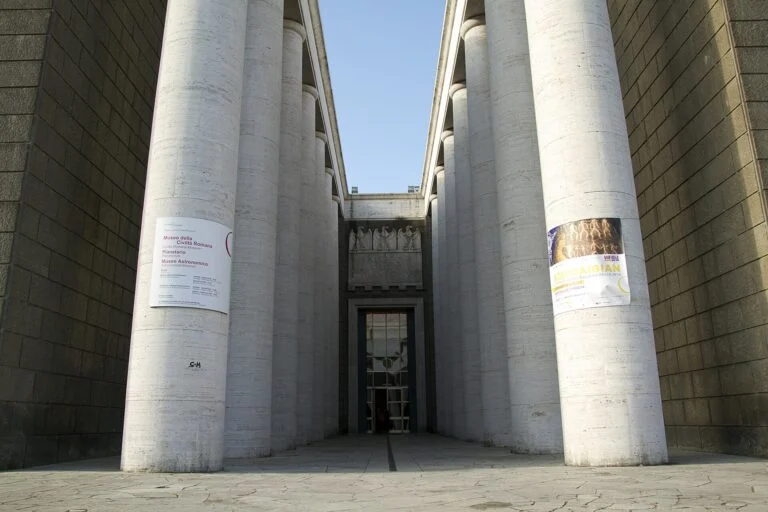
Upon arrival, visitors are welcomed by the museum’s discreet but elegant entrance set into the landscape of the Palatine Hill. The museum itself is housed within a carefully adapted structure that respects the historical environment while providing a modern, accessible space for exhibitions. It features a clear layout designed to guide visitors through the site’s topographical and historical significance. Inside, one is greeted with a well-lit, serene environment where age-old stone walls and archaeological finds are displayed with meticulous care. The atmosphere emphasizes a scholarly yet engaging tone, inviting exploration without overwhelming the visitor. Large panels provide detailed historical context, aided by intelligently designed displays of mosaics, sculptures, fresco fragments, and everyday items, allowing an immersive glimpse into ancient Roman life. The entrance area also offers maps and guides to help orient visitors and prepare them for both the indoor exhibits and the extensive ruins outside.
Highlights and Key Exhibitions
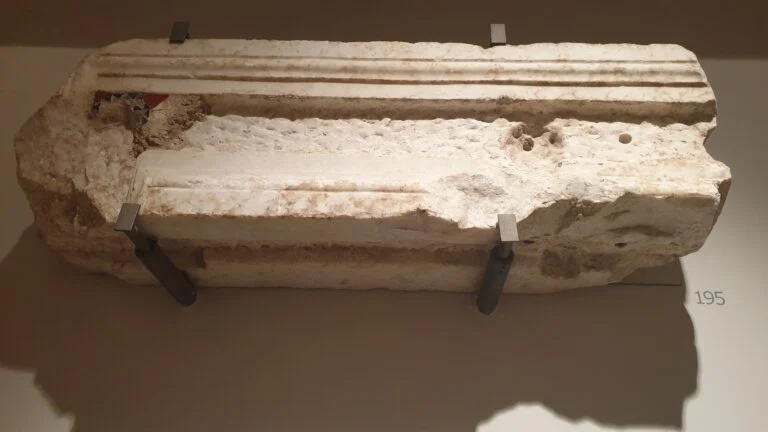
The Museo Palatino is remarkable for its focused collection of artifacts connected to the imperial palaces and urban residential areas on the hill. Some of the standout pieces include intricately designed mosaic floors that have been painstakingly preserved, showcasing artistic styles and themes popular in different historical eras. Sculptural fragments of mythological and imperial figures give a powerful sense of Rome’s cultural ideals and the political power that these images wielded. In addition, the museum features an impressive selection of Roman decorative arts, from finely worked jewelry to glassware, shedding light on the material culture of the elite. One particularly compelling aspect of the museum’s exhibition is its treatment of architectural fragments and reconstructions, which help visitors visualize the scale and layout of ancient structures now reduced to ruins outside. While the collection is not vast compared to larger national museums, it is expertly curated to maintain a focused narrative on the Palatine’s role throughout Roman history.
Visitor Experience
The visitor experience at the Museo Palatino is characterized by a harmonious balance between educational content and visual appeal. The museum’s interpretive strategy excels in layering myth, history, and archaeology to forge a comprehensive story. Labels are clear and multilingual, and informational panels are thoughtfully positioned to encourage reflection without detracting from the artifacts themselves. Exhibition spaces are quiet and contemplative, affording visitors space to absorb the details. The lighting design enhances the textures and colors of partially restored frescoes and mosaics, which can sometimes be difficult to appreciate under harsher illumination. The museum’s size means it can be comfortably visited within an hour or so, making it an excellent complement to exploring the broader archaeological park on Palatine Hill. For those interested in deeper research, the well-curated catalog and available audio guides provide additional layers of depth. However, visitors hoping for large-scale immersive multimedia installations or interactive displays may find the museum’s approach more traditional, focusing instead on authenticity and scholarly interpretation.
Tickets, Access, and Planning
Access to the Museo Palatino is generally integrated with entry to the larger archaeological complex of the Roman Forum and Palatine Hill, making it part of a comprehensive exploration of ancient Rome’s civic and imperial center. Tickets can often be purchased online in advance to avoid long queues, particularly during peak tourist seasons, enhancing convenience. The ticket price reflects the combined cultural experience offered by the site, with the museum representing a key component of this broader historical journey. The museum is wheelchair accessible, although some uneven terrain associated with the archaeological park outside may present challenges for visitors with mobility impairments. Facilities such as restrooms and a modest café are located nearby, ensuring that basic visitor needs are met. Visitors are advised to plan their visit during daylight hours to appreciate both the museum’s interior treasures and the extensive ruins surrounding it. Given Rome’s warm summers, spring and autumn visits tend to offer more comfortable conditions for combining indoor and outdoor experiences.
Final Verdict
The Museo Palatino stands as a vital and insightful institution for those interested in the origins and imperial history of Rome. Its relatively compact but carefully curated collection provides a rich complement to the ruins of the Palatine Hill, enriching visitors’ understanding of the city’s ancient past. The museum excels in presenting its artifacts within a well-researched historical framework, making it an essential stop for history enthusiasts, students, and archaeology aficionados. While it may not offer the extensive breadth of larger museums, its focused approach allows for a deeper appreciation of the Palatine’s unique role in Roman history. The visitor experience is enhanced by attentive displays and a tranquil atmosphere that encourages contemplation. Practical considerations such as ticketing and accessibility are well-managed, although some may prefer to pair this visit with broader explorations of the city’s ancient landmarks. Ultimately, the Museo Palatino serves as an indispensable gateway to one of the most significant sites in Western history, successfully bridging the tangible remains of ancient Rome with the stories that have shaped cultural memory for millennia.