Casal De Pazzi Museum Review
Archaeology Museums · Rome, Italy. The Casal De Pazzi Museum in Rome stands as a remarkable testament to prehistoric and ancient human history, housed within one of the city’s significant archaeological sites. Nestled in the northeastern outskirts of Rome,…
Archaeology Museums · Rome, Italy. The Casal De Pazzi Museum in Rome stands as a remarkable testament to prehistoric and ancient human history, housed within one of the city’s significant archaeological sites. Nestled in the northeastern outskirts of Rome,…
Best forMasterpieces, architecture, cultural history
Review focusArchaeological collections, context, and visitor planning
Historical Context
The Casal De Pazzi Museum in Rome stands as a remarkable testament to prehistoric and ancient human history, housed within one of the city’s significant archaeological sites. Nestled in the northeastern outskirts of Rome, this museum is intimately connected with the Casal De Pazzi prehistoric quarry, a site discovered in the 1970s that has since revealed invaluable paleoanthropological and archaeological finds. These discoveries unveiled a wealth of fossils and stone tools that shed light on human evolution and early activity in the region, dating back hundreds of thousands of years. The museum itself plays a crucial role in preserving and interpreting these materials, offering insight into the prehistoric landscape and environment that shaped early human settlement and subsistence strategies in the Italian peninsula. By situating this collection within the original quarry context, the Casal De Pazzi Museum serves not only as a repository of ancient artifacts but also as a crucial educational resource for understanding the broader narrative of human prehistory in Europe.
What You See on Arrival
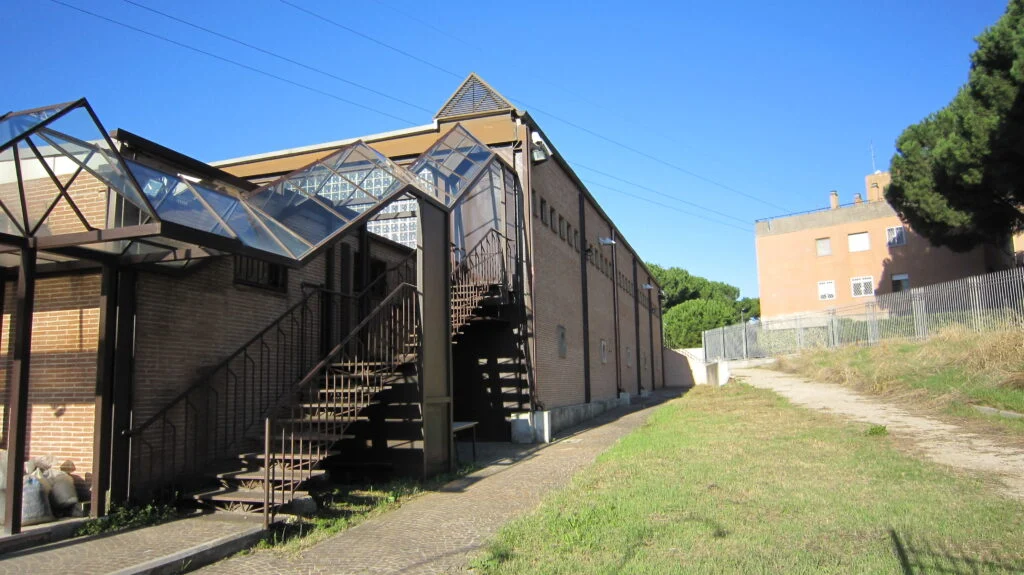
Upon arrival at the Casal De Pazzi Museum, visitors are greeted by a modest but thoughtfully integrated entrance that reflects the site’s archaeological nature. The exterior architecture is subdued, respecting the surrounding environment without overwhelming it. The museum’s location adjacent to the open-air excavation area offers an immediate connection between the exhibited artifacts and their original context. Surrounding greenery and the visible remnants of ancient quarry pits frame the museum, providing a tangible sense of the terrain early humans interacted with. Inside, the museum maintains an intimate scale, designed to complement rather than overshadow the importance of the objects on display. Informative panels and diagrams are clearly visible from the entrance, inviting visitors to begin their exploration of the prehistoric epoch from which the museum draws its significance.
Highlights and Key Exhibitions
The Casal De Pazzi Museum’s most compelling exhibits revolve around the extensive collection of fossilized fauna, lithic tools, and sediment samples recovered from the quarry site. The display features an array of mammalian fossils—such as extinct species of elephants, rhinoceroses, and deer—offering rare insight into Pleistocene fauna specific to this region of Italy. These finds are complemented by early stone tools, showcasing the technological capabilities and adaptations of the hominins that inhabited the area. One of the standout features includes detailed stratigraphic models that illustrate the sediment layers in which these items were excavated, providing a nuanced understanding of the geological context and dating techniques employed to establish chronological frameworks. Interactive displays also discuss theories about the paleoenvironment, giving visitors a chance to grasp the climatic and ecological conditions faced by early humans. While the museum does not rely heavily on multimedia or contemporary interpretation technologies, its methodical presentation ensures that the scientific significance of the finds is communicated with clarity and scholarly rigor.
Visitor Experience
The experience at the Casal De Pazzi Museum is marked by a distinct scholarly tone, appealing particularly to those with an interest in archaeology, paleontology, and early human history. The museum’s relatively small-scale layout facilitates a focused and contemplative visit but may require supplementary background knowledge for a full appreciation of the material. Information panels are thorough and well-written, though the museum currently lacks multilingual resources beyond Italian and English, which may pose a barrier for some international visitors. The absence of large crowds allows for a quiet atmosphere conducive to studying the intricacies of each exhibit. Staff members and guides, when available, are knowledgeable and willing to provide detailed explanations, enhancing the educational value of the tour. Accessibility within the museum is thoughtfully considered, with clear pathways and seating areas, although some outdoor areas related to the quarry visits may pose challenges for visitors with mobility difficulties.
Tickets, Access, and Planning
Admission to the Casal De Pazzi Museum is reasonably priced, reflecting the museum’s role as a specialized institution rather than a major tourist attraction. Discounts apply for students, seniors, and groups, encouraging both academic and community engagement. The museum is easily reachable by public transport from central Rome, with several bus lines serving the nearby stops, though visitors should plan their trip carefully due to the peripheral location. Parking availability is limited, so private vehicles may require additional planning. Opening hours are generally fixed but vary seasonally, and advance booking is recommended, especially for guided tours or educational groups. The museum’s official website provides essential information on ticketing and scheduling but could benefit from more frequent updates and a dedicated section for frequently asked questions to aid visitors in their preparations. Facilities such as restrooms and a small café area are available, but dining options nearby are limited, so visitors might consider eating beforehand or after their visit.
Final Verdict
The Casal De Pazzi Museum offers a compelling glimpse into the prehistoric era within the context of Rome’s rich archaeological heritage. Its strength lies in the authenticity and scientific importance of its collections, particularly for those with a keen interest in paleoanthropology and Pleistocene fauna. The museum excels in situating its exhibits within their original geological and environmental context, providing a unique interdisciplinary approach to understanding early human life in Italy. While the museum’s modest scale and specialized focus might not appeal to casual tourists seeking broader cultural experiences, it undeniably adds a valuable dimension to Rome’s museum landscape. The visitor experience may be somewhat limited by language and multimedia offerings, but the educational content remains robust and engaging. Overall, the Casal De Pazzi Museum is a must-visit for enthusiasts and scholars alike, offering a rare opportunity to explore a pivotal chapter in human history within a genuine archaeological setting.