Museo del Oro Review
Archaeology & Pre-Columbian Civilisations · Bogotá, Colombia Gold Without Spectacle Gold pulls institutions toward theatre. It glitters, it attracts.
Archaeology & Pre-Columbian Civilisations · Bogotá, Colombia Gold Without Spectacle Gold pulls institutions toward theatre. It glitters, it attracts.
Best forScience, technology, hands-on learning
Review focusExhibits, interpretation, visitor flow
Archaeology & Pre-Columbian Civilisations · Bogotá, Colombia
Gold Without Spectacle
Gold pulls institutions toward theatre. It glitters, it attracts myth, it invites the easy story. Museo del Oro resists. It begins with a refusal: gold here is not shorthand for wealth, but a medium for belief, authority, and transformation.
Architecture & Spatial Framework
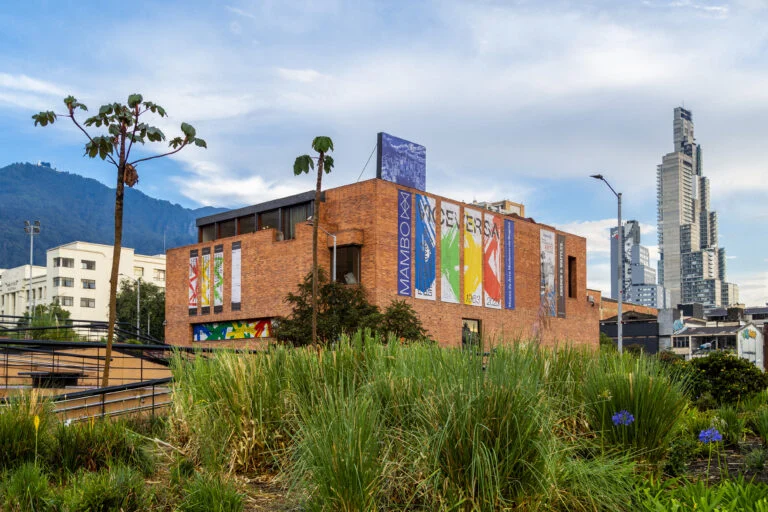
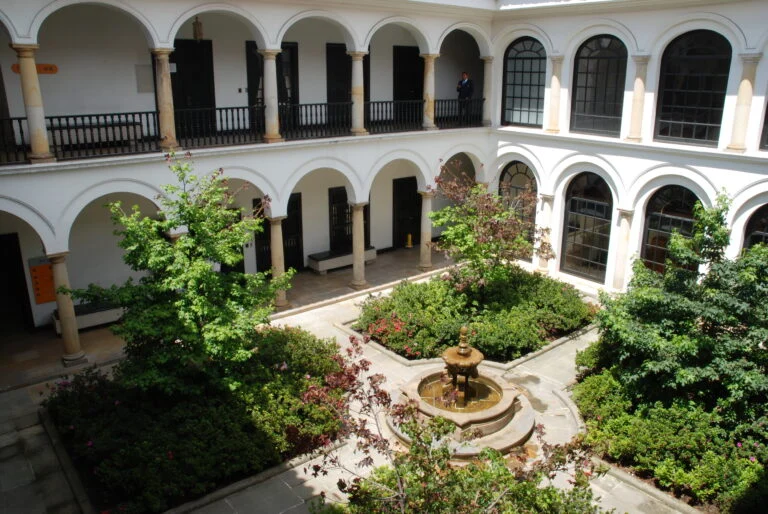
The building stays disciplined. Lighting is controlled, circulation is calm, and the museum’s best architectural decision is pacing: contextual rooms come first, so the metalwork arrives as cultural evidence rather than a “treasure room” reveal.
The Collection: Technique as Cultural Evidence
The objects are extraordinary, but the museum’s authority comes from explanation. Metallurgy is treated as knowledge — casting, hammering, alloying, finishing — and technique becomes inseparable from meaning. Ornament reads as social code: rank, ritual, worldview.
Visitor Experience & Pacing
Expect small clusters around signature works, but galleries absorb visitors well. Don’t skip the contextual rooms; they are the scaffolding that makes later galleries land. Two to three hours gives the collection room to unfold.
Atmosphere
The tone is sober and confident. Labels avoid sensational language. The final chamber is immersive, but not manipulative — closer to reflection than finale.
Who Will Appreciate It Most
- Archaeology and material-culture readers
- Travellers who value clarity over spectacle
- Visitors seeking a serious introduction to pre‑Columbian Colombia
Practical Considerations
- Allow at least 2 hours; 3 is better.
- Go early for the most contemplative experience.
- Save energy for the final chamber — it rewards stillness.
History and Collection
Museo del Oro in Bogotá is one of the most important museums in Colombia and is known for having the largest collection of pre-Columbian gold artifacts in the world. The museum was established in 1939 to preserve archaeological objects from indigenous cultures that lived in the region before the arrival of the Spanish. Over the decades the collection has grown to include tens of thousands of objects made from gold, ceramics, stone, shell, and textiles.
The exhibitions present the history of different indigenous cultures such as the Muisca, Quimbaya, Calima, and Tairona. Many of the objects were used in religious ceremonies and were considered sacred rather than decorative.
The museum explains how gold was connected to spiritual beliefs, power, and social status, which helps visitors understand why these objects were so important in pre-Hispanic societies.
One of the most famous objects in the museum is the Muisca raft, which represents the ritual ceremony that inspired the legend of El Dorado. The collection also shows how advanced the metalworking techniques of these cultures were, long before European contact. Because of the size of the collection, only part of it is shown at one time, and exhibitions are arranged to explain both the artistic and cultural meaning of the objects.
Visitor Experience and Exhibition Design
The museum is designed so that visitors move through the exhibitions in a clear order, starting with the earliest cultures and continuing toward more complex societies. Each room focuses on a specific theme, such as daily life, religion, or metalworking techniques.
Lighting is carefully controlled to highlight the gold objects, creating a strong visual effect while still protecting the artifacts.
One of the most well-known parts of the museum is the offering room, where gold objects are displayed in a dark space with sound and light effects that recreate the atmosphere of ancient ceremonies.
This section is often considered the highlight of the visit because it shows how the objects were used in rituals instead of simply being decorative items.
Because the museum is very popular, it can become crowded during busy hours, but the layout makes it easy to follow the exhibitions without getting lost.
Audio guides and written explanations are available in several languages, making the museum accessible for international visitors.
A full visit usually takes at least two hours, especially for visitors who want to see the entire permanent exhibition.
Overall, the Museo del Oro offers a different experience from many art museums, since the focus is on archaeology and cultural history rather than paintings.
The combination of historical information, carefully designed exhibitions, and the impressive gold collection makes it one of the most important museums in Latin America.
Architecture and Museum Layout
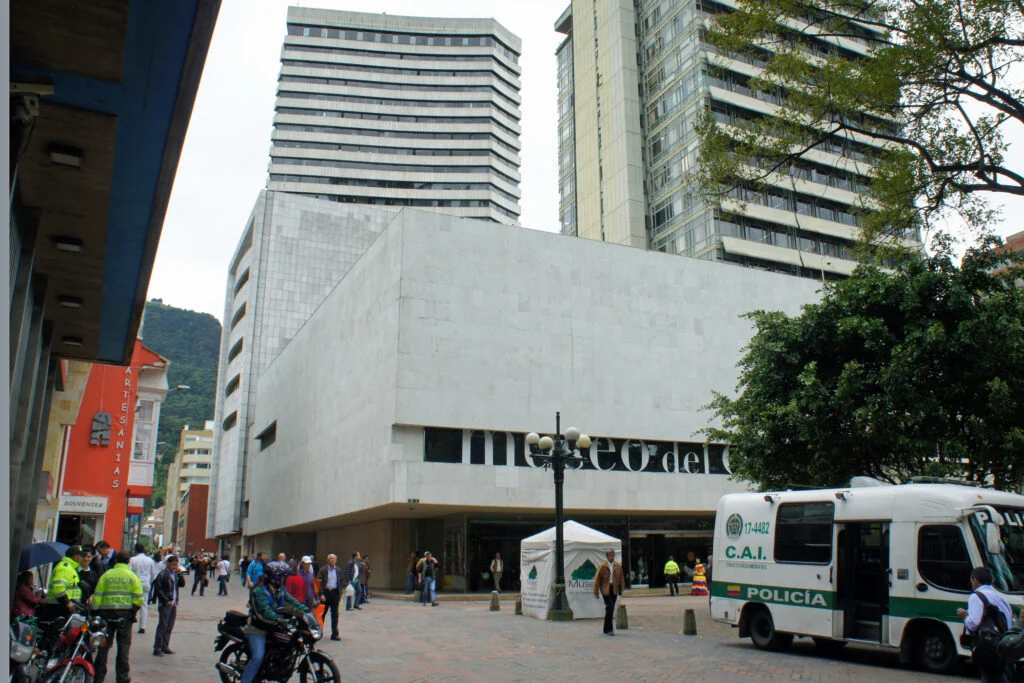
The current building of Museo del Oro was redesigned in the twentieth century to create modern exhibition spaces that could safely display the large gold collection. The museum uses controlled lighting and secure glass cases to protect the artifacts, since many of the objects are made from soft metals and require stable temperature and humidity conditions. The design of the galleries is simple and functional so that the focus stays on the objects themselves.
Visitors usually begin on the lower floors, where the exhibitions explain the history of the different indigenous cultures of Colombia. From there the route continues through several themed rooms that show religion, daily life, trade, and metalworking techniques. The museum is arranged so that the story becomes more detailed as visitors move forward, ending with the ceremonial objects and the famous gold offerings.
One of the most memorable parts of the museum layout is the dark exhibition rooms used for special displays. In these rooms the gold objects are illuminated while the surroundings remain almost completely black. This makes the details of the artifacts easier to see and creates a strong visual contrast that many visitors remember after the visit.
The museum also includes modern visitor facilities such as rest areas, a museum shop, and educational spaces used for school groups and guided tours. Because the museum is located in the center of Bogotá, it is easy to combine the visit with other historical sites nearby. The clear layout and modern design make the museum comfortable to explore even though the collection itself is very large.
Overall, the architecture of Museo del Oro supports the educational purpose of the museum by guiding visitors through the history of the collection step by step. Instead of overwhelming visitors with too many objects at once, the exhibitions are organized in a way that allows each section to explain a different part of pre-Columbian culture.
Final Verdict
Museo del Oro is world-class because it refuses shortcuts. It asks you to understand first — and that is why the gold feels powerful rather than decorative.