Musée de la Vie Romantique Review
Art Museums · Paris, France. The Musée de la Vie Romantique is located in the 9th arrondissement of Paris, in the former residence of painter Ary Scheffer, a notable figure of the Romantic era in France. This small museum…

Art Museums · Paris, France. The Musée de la Vie Romantique is located in the 9th arrondissement of Paris, in the former residence of painter Ary Scheffer, a notable figure of the Romantic era in France. This small museum…
Best forMuseum lovers, culture travelers, first-time visitors
Review focusCollections, visitor experience, and practical planning
Historical Context
The Musée de la Vie Romantique is located in the 9th arrondissement of Paris, in the former residence of painter Ary Scheffer, a notable figure of the Romantic era in France. This small museum was established in the late 20th century as a tribute to the Romantic movement that flourished in the early to mid-19th century, a period marked by profound shifts in artistic and intellectual expression. The movement is often described as a reaction against the strict classicism and rationalism of the Enlightenment, emphasizing emotion, individualism, and a fascination with nature and the past.
The museum’s site itself carries historical significance. The house was a lively salon during the 1830s and 1840s, frequented by literary and artistic figures such as George Sand, Frédéric Chopin, Alfred de Musset, and Victor Hugo. This social and cultural milieu forms the backbone of the museum’s focus, which turns away from grand historical narratives to explore the private, emotional, and creative lives of its subjects. By preserving both the physical space and a substantial collection of Romantic objects and artworks, the Musée de la Vie Romantique offers a concentrated look into a specific cultural moment, distinguished from the larger national museums nearby.
What You See on Arrival
The first impression of the Musée de la Vie Romantique is shaped by its petite scale and intimate setting. Unlike sprawling institutions on the Right Bank, this museum occupies a modest townhouse with a peaceful garden area at the rear. Visitors approaching the building are met with a façade that retains much of its 19th-century charm, signaling that this is a space committed to literary and artistic heritage rather than a general art museum.
This smaller scale predisposes the museum to a quieter, more contemplative experience. The entrance areas are likely to convey a domestic atmosphere rather than a monumental one, emphasizing the personal nature of the Romantic period’s cultural output. While the museum does not present itself as a comprehensive survey of European Romanticism, it sets clear expectations as a niche institution with a targeted collection. This focus is evident immediately and guides visitor flow and attention toward the intimate portraits, personal artifacts, and decorative arts connected with key figures of the movement.
Visitors familiar with larger Parisian museums might find the compactness of this site a noticeable contrast. Yet, the layout encourages slow, detailed viewing rather than rapid progression from room to room. The garden, often highlighted in descriptions, acts as both a literal and metaphorical breath of fresh air, offering a moment of reflection on the Romantic themes of nature and leisure between gallery visits.
Highlights and Key Exhibitions
The Musée de la Vie Romantique concentrates on the artistic, literary, and musical dimensions of French Romanticism through a blend of paintings, manuscripts, personal belongings, and period furniture. Rather than approaching Romanticism as a broad artistic style, the museum frames its collection around the interpersonal networks and cultural milieu that defined the era.
A central emphasis lies in the legacy of Ary Scheffer himself, whose portraits provide a visual anchor for the museum. Scheffer was renowned for his portraits of literary celebrities and socially prominent figures of the time. His works on display include representations of George Sand and other well-known acquaintances, situating visitors within the social circles that the museum recalls.
George Sand, one of the few women writers who enjoyed wide acclaim during the era, features prominently in several exhibits. Manuscripts and personal effects related to her life enrich the narrative, positioning the museum as a place to consider the intersection of gender, creativity, and social conventions in the 19th century. Her romantic partnerships with Chopin and Musset also broaden the museum’s scope into musical and theatrical fields. Correspondence, sketches, and even some musical scores or paraphernalia connected to Chopin occasionally appear in the displays, underscoring the multidisciplinary nature of Romantic culture.
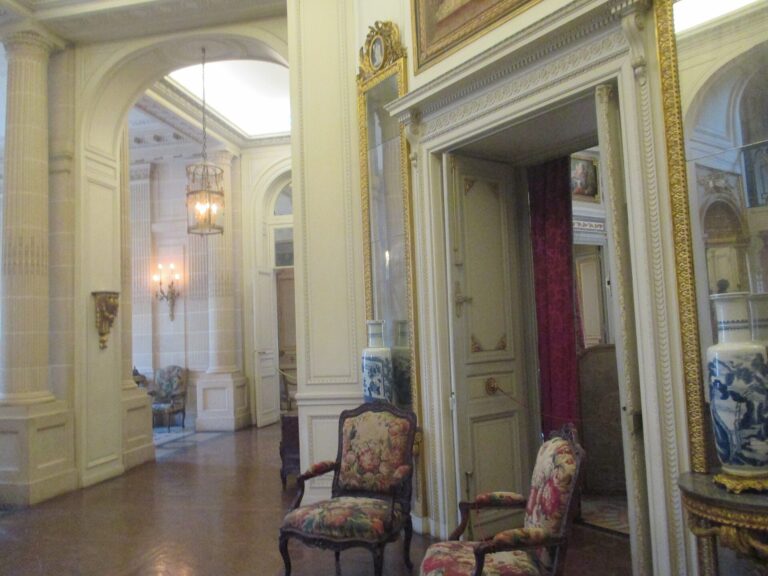
In addition to paintings and writings, the museum houses a variety of decorative arts closely associated with the period’s material culture. Furniture, porcelain, and objets d’art from the early 1800s contribute to a sense of how Romantic aesthetics permeated everyday life among the cultural elite. These objects are curated within authentic domestic settings that aim to reconstruct the ambiance of the Scheffer residence and the salons held there.
The museum’s small but focused holdings do not extend far beyond the Parisian circle centered on Scheffer, Sand, and their companions. Visitors looking for a pan-European Romantic overview, or coverage of movements in architecture and visual arts in other countries, will find this institution somewhat limited. Instead, the museum’s strength lies in giving close attention to a defined cohort and allowing visitors to observe how emotions, friendships, and ideas shaped art within a particular French context.
Visitor Experience
The Musée de la Vie Romantique lends itself best to visitors who value intimate, thematic presentations over grand scale or narrative breadth. The museum’s design encourages quiet contemplation rather than hurried walkthroughs. This quality aligns well with poetry, music, and personal letters as interpretive materials, which often require slower engagement.
Interpretive signage and labels tend to focus on narrative context, explaining the relationships among individuals and the significance of personal objects. This relational and biographical approach may appeal to those interested in cultural history from a human viewpoint rather than purely aesthetic or art historical analysis. It offers a sense of the Romantic period as a lived experience, not an abstract historic movement.
While the museum provides a rich experience for audiences with some prior knowledge or interest in 19th-century French art and literature, newcomers may find certain aspects challenging. The references to individual figures and their works assume familiarity to some degree, as the museum does not extensively contextualize the broader political or social history of the time. Without this background, some narratives may feel fragmentary rather than a seamless story.
The museum’s compact size means visitors need not commit to several hours but can combine a visit with other nearby cultural sites in Vintimille or Pigalle without fatigue. The garden acts as a welcome respite, grounding the experience in the pastoral and reflective motifs of Romanticism.
One limitation to note is the museum’s relatively small scale, which restricts the number of visitors and can sometimes lead to crowding during busy days despite the modest size. Due to its intimate nature, the pace must be careful—rushing risks losing the quiet charm that the setting offers.
Tickets, Access, and Planning
Prospective visitors to the Musée de la Vie Romantique should consult official sources for current practical details. This museum is run by the City of Paris and its policies regarding admission, opening hours, and visitor services can vary, especially in response to seasonal changes or health regulations.
Because the museum’s space is compact, visitor flow can be affected by capacity limits. Checking in advance about peak times or any required booking protocols may improve the visit. There are no widely reported large visitor amenities such as extensive cafés or shops within the museum, so planning accordingly is advisable, especially for longer cultural days in the neighborhood.
The museum’s location in the 9th arrondissement situates it near several metro stations and urban transit options, typical of central Paris. The surrounding area offers various eating and leisure options but, like much of Paris, can be busy and bustling. The garden provides some relief on-site.
As with many smaller museums situated within historic residences, those with mobility challenges should verify accessibility arrangements ahead of time. The building’s age and layout may impose some limitations.
Final Verdict
The Musée de la Vie Romantique is a focused institution that offers a distinctive window into the Parisian cultural scene of early-19th-century Romanticism. Its strength lies in the intimate portrayal of a circle of artists and intellectuals, through original artworks, personal items, and an authentic setting rooted in Ary Scheffer’s house.
It is particularly well suited to visitors already interested in the Romantic period or those drawn to the personal stories and artistic cross-pollination of the era. The museum’s small size and concentrated collection allow for a more meditative experience unusual in a city often dominated by larger scale museums. This intimacy, however, can also be a limitation; those seeking an expansive or comparative view of Romanticism or the broader social context will find the focus somewhat narrow.
The presentation relies heavily on biographical and cultural connections rather than broad thematic or ideological interpretations, making it a solid complement to more encyclopedic institutions but less so a standalone introduction to Romanticism. Its relatively limited visitor amenities mean planning ahead is prudent.
In sum, the Musée de la Vie Romantique functions as a niche cultural site that preserves a distinctive moment in French artistic history through careful curation and historic preservation. It can form a thoughtful addition to a Paris museum itinerary for those willing to engage with Romanticism on a more personal, detail-oriented level.