Musée de la Vie Romantique
Art Museums · Paris, France. The Musée de la Vie Romantique is a small house museum located in the 9th arrondissement of Paris, dedicated to the Romantic era in French art and culture. Founded in the early 20th century,…

Best forMuseum lovers, culture travelers, first-time visitors
Setting / nearbyParis, France
Overview
The Musée de la Vie Romantique is a small house museum located in the 9th arrondissement of Paris, dedicated to the Romantic era in French art and culture. Founded in the early 20th century, the museum preserves and presents the atmosphere and works linked to the period roughly spanning the early to mid-19th century. It focuses on the circle around the painter Ary Scheffer, who lived in the building, as well as the broader intellectual and artistic milieu of the time. Rather than a comprehensive art museum or historic house of a major public figure, it offers a niche experience centered on Romanticism’s cultural context, with particular attention to personal stories, literature, and the fine arts connected to this period.
The museum is situated in an elegant hôtel particulier at the foot of Montmartre hill, an area historically frequented by artists and writers. This location adds a sense of local continuity to the exhibits. Intimate and not sprawling, it is most suited to visitors with a specific interest in French Romanticism, early 19th-century painting and literature, and those curious about the smaller circles of artistic life in Paris during this time. While it does not present a full survey of Romanticism across Europe, it provides depth on French contributions and the social context around Scheffer and his contemporaries.
Collection Highlights
The Musée de la Vie Romantique centers on paintings, sculptures, drawings, and memorabilia associated with the Romantic movement in France. Visitors will see several works by Ary Scheffer himself, whose studio occupied the building. Scheffer’s portraits and historical scenes typify a sentimental and idealized side of Romantic painting during the 1830s and 1840s. Alongside his work are pieces and letters relating to George Sand, the celebrated novelist and a key figure among the museum’s circle. Several items document Sand’s life and relationships, including personal correspondence and portraits.
In addition to art, the museum contains a collection of personal objects that evoke the intimate cultural life of the era, such as memorabilia connected to writer Alfred de Musset and singer Pauline Viardot, who also figured in this circle. These artifacts help illustrate the cross-disciplinary connections typical of Romanticism, where literature, music, and visual arts intersected. There may be photographs and prints as well, which were starting to gain popularity during the second quarter of the 19th century.
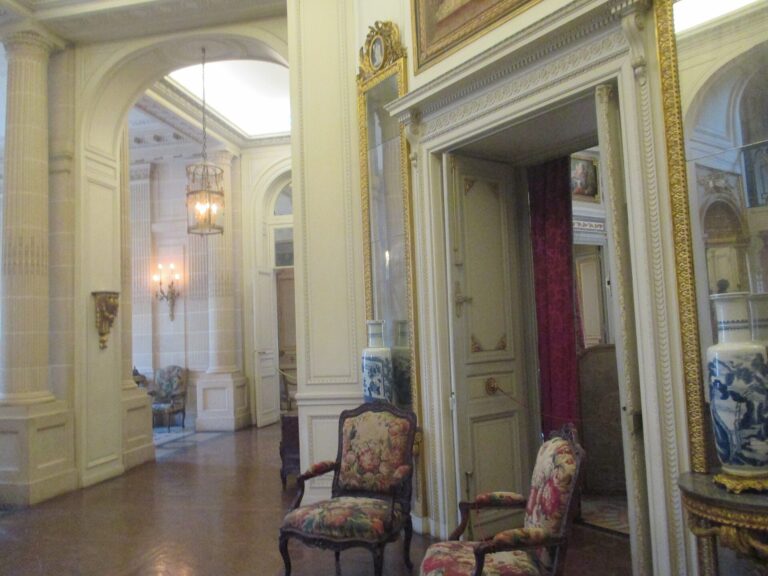
The museum’s decorative details and furniture inside the house contribute to the overall impression of early Romantic Parisian artistic life. While the collection does not include the most famous or large-scale works of the broader Romantic canon, it excels in illustrating the personal and intellectual networks around Scheffer and his contemporaries. This makes it particularly valuable for those interested in the social history of art and literature.
Building and Setting
The building itself is a mid-19th-century mansion that retains much of its original charm. Its location at the base of Montmartre provides a quiet contrast to the more tourist-heavy parts of Paris. The house includes the artist’s former studio, which has been preserved to reflect the working environment of the period. The garden outside adds another layer to the visitor experience, offering a green space that was part of the original design to inspire creativity and provide respite.
The neighborhood’s ambiance, while changed from the Romantic era, remains evocative of the artistic heritage that once thrived there. The museum’s relatively small scale allows for a more focused visit without the crowds often present at larger institutions. However, this also means that some may find the museum’s scope quite limited if they expect a broad overview of Romanticism beyond this particular circle around Scheffer and Sand.
Practical Information
Potential visitors should check the official website for the most current and precise information regarding opening hours, admission, guided tours, accessibility options, and any requirements for advance booking. As a specialized house museum, it is possible that opening times or ticketing arrangements differ from larger Paris museums or fluctuate seasonally.
The museum’s layout involves navigating several floors of a historic building, so visitors with mobility issues should seek specific details in advance. The intimate nature of the museum suggests a visit of moderate length, which can be comfortably combined with other cultural sites in the area or a walk through Montmartre. There is a small garden attached to the property, which is an added attraction during months of fair weather.
Why Visit
The Musée de la Vie Romantique offers a window into a specific facet of Parisian cultural life during the Romantic period that can be overlooked in more general art or history museums. It illuminates the daily environment and personal relationships of a notable artist and his contemporaries, making it valuable for those curious about the social context behind 19th-century French artistic production.
Its strengths lie in the intimate scale and the personal anecdotal quality of the collections. Visitors interested in George Sand, Alfred de Musset, or the more literary and musical sides of Romanticism will likely appreciate the artifacts and documents on display. The preserved studio and residential rooms give a sense of historical atmosphere often lost in larger institutions.
On the other hand, those seeking a comprehensive survey of Romantic art or a broad historical narrative may find the museum’s scope somewhat narrow. It is best approached as a concentrated complement to other museums or literary tours focusing on Paris in the early 1800s, rather than as a standalone destination.
In sum, the Musée de la Vie Romantique is rewarding for visitors who appreciate the intersection of art, literature, and personal history in 19th-century France. Its blend of portraiture, manuscripts, and domestic spaces offers a textured glimpse of a creative community during a distinctive cultural moment. Caution is advised for those with limited time in Paris or mobility considerations, but for many, this quiet house museum adds a meaningful layer to understanding the Parisian artistic landscape of the Romantic era.